The wedding aisle is the first thing guests see when they walk into a ceremony space, and it sets the emotional tone for everything that follows. Before the first note of music plays, before the officiant says a word, the aisle is already telling a story — about the couple, the aesthetic they chose, the care that went into the day.
Getting it right matters more than most people realize during planning, and yet it is also one of the areas where budgets tend to run thin or decisions get made in a rush.
This guide covers everything from simple and inexpensive options to truly breathtaking installations, so whatever your budget, style, or venue looks like, you will find ideas that actually work.
Understanding the Aisle Before You Decorate It
Before picking a single flower or ribbon, take an honest look at the space itself. The aisle you are decorating has its own character — and your decorations should work with that character, not fight against it.
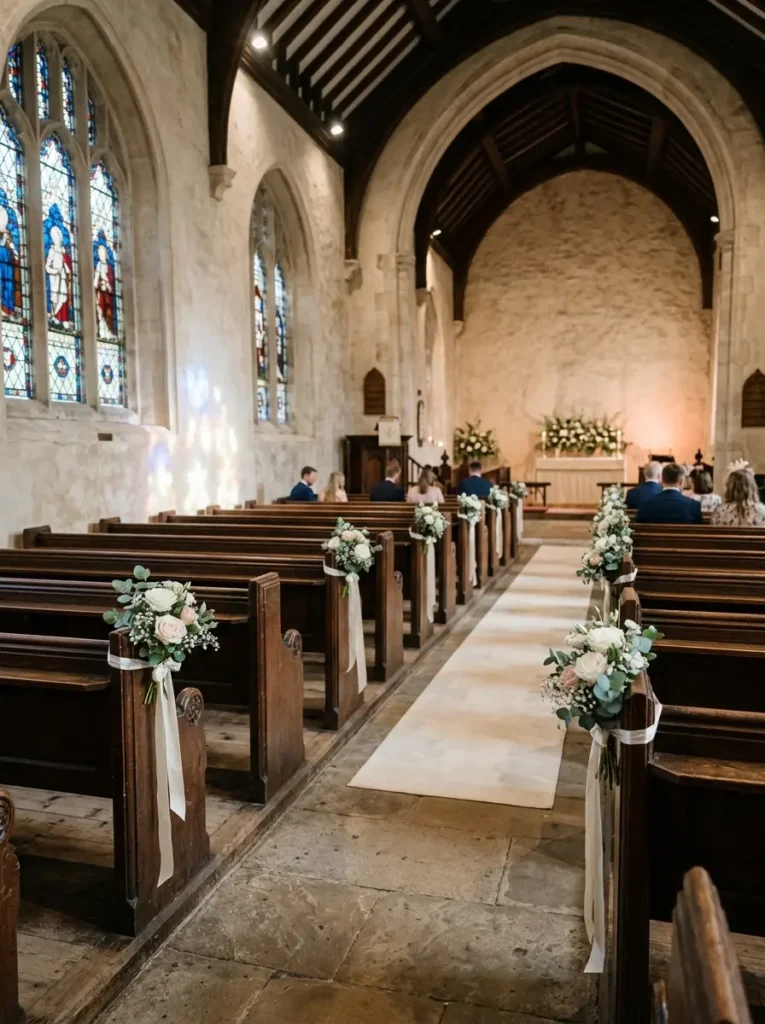
Indoor church aisles typically have pews or fixed seating, which limits how you attach decorations but creates natural anchor points at the end of each row. The existing architecture — stained glass, stone walls, vaulted ceilings — already does significant visual work, so you often need less decoration than you think.
Outdoor ceremony aisles give you far more creative freedom. Grass, sand, gravel, or pavers all work differently underfoot and affect how you anchor floral arrangements, lanterns, or arches. Wind is a factor outdoors that most people forget about until something tips over during the processional.
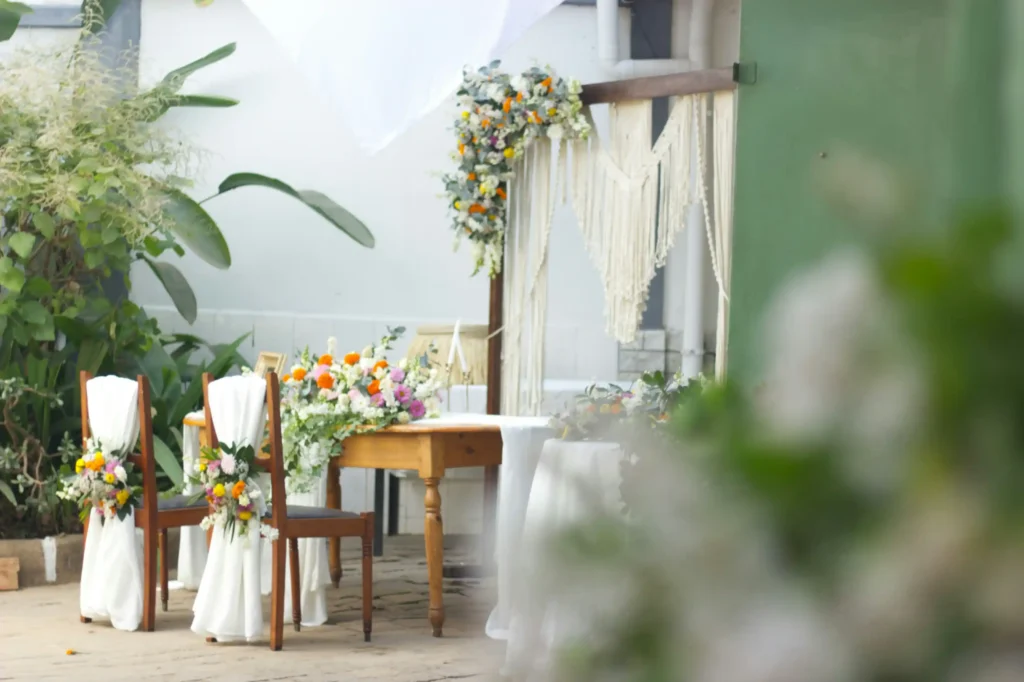
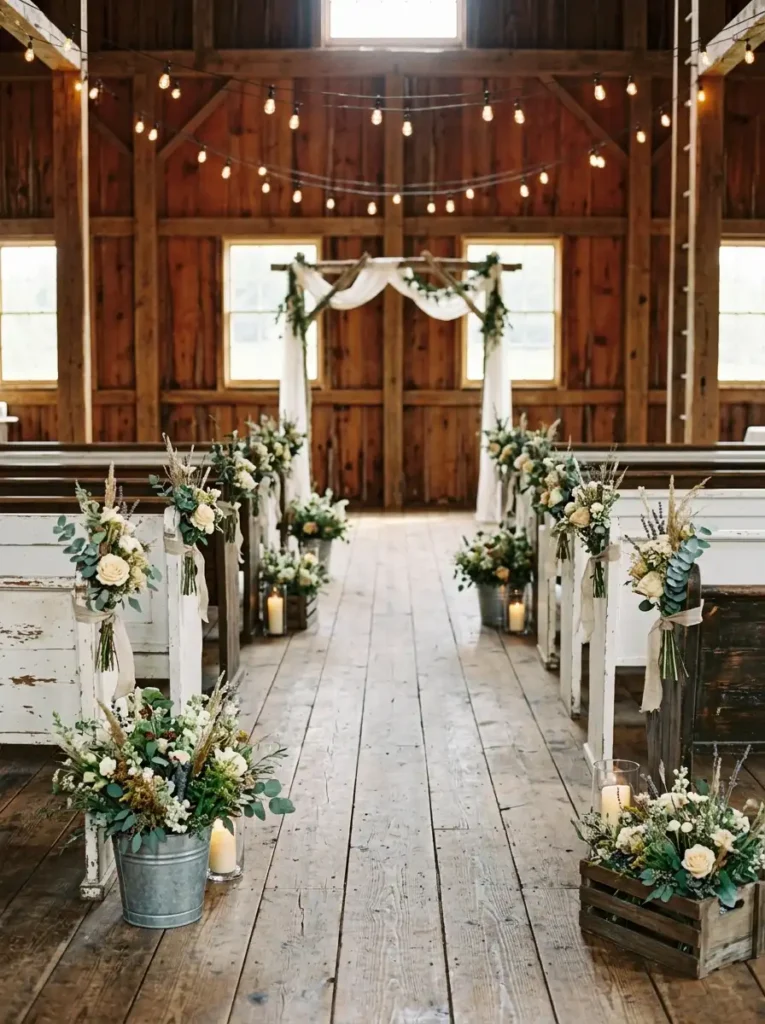
Barn and rustic venue aisles have warm wood tones, natural light, and a relaxed intimacy that tends to make decorations feel generous and organic rather than formal.
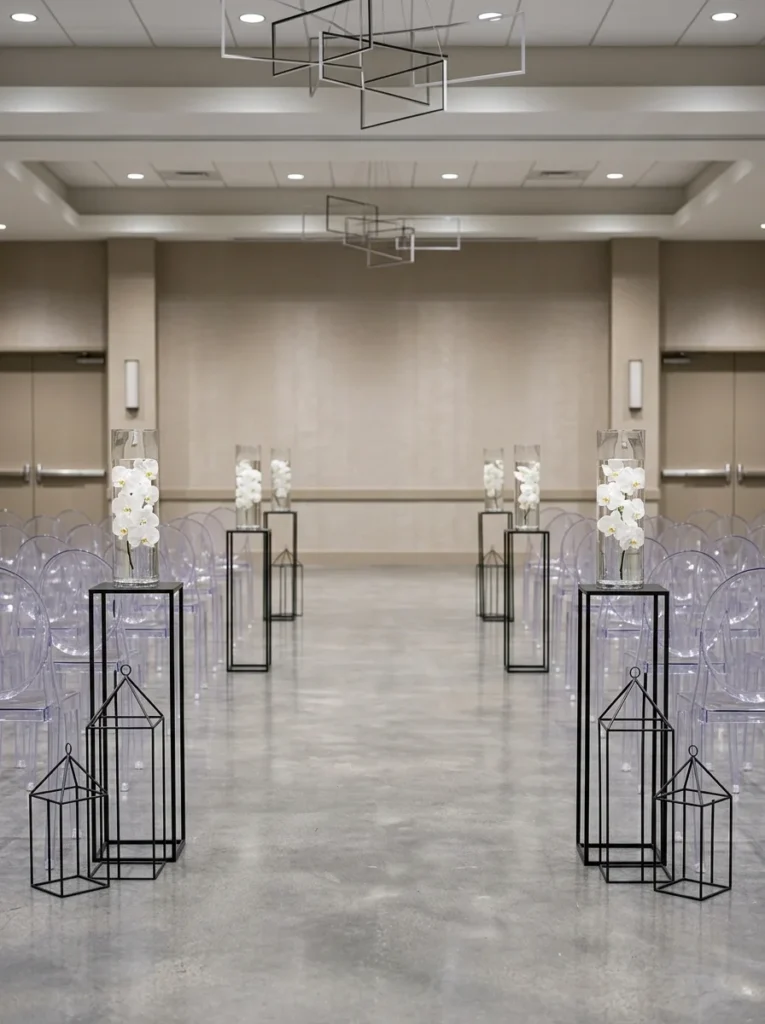
Ballroom or hotel venue aisles can go in almost any direction — they are neutral enough to support anything from ultra-romantic to sleek and modern.
Know your space. Then build from it.
Aisle Markers: The Foundation of Any Ceremony Aisle Look
Aisle markers are the decorations placed at the end of each row — on pews, chairs, or freestanding between rows. They create the visual rhythm of the aisle and often have the most impact per dollar of any ceremony decoration choice.
Floral Pew Markers
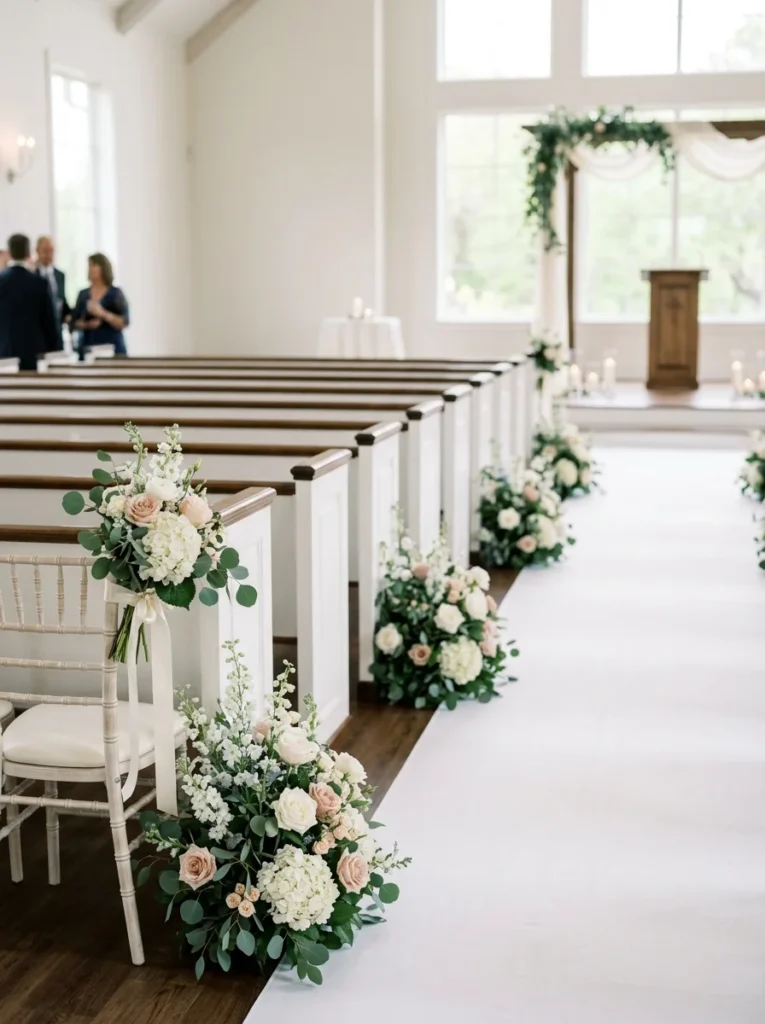
Single blooms or small bundles of flowers attached to pew ends or chair backs are the most classic option for a reason. They photograph beautifully from every angle, they work with nearly any floral palette, and they can be moved to the reception for double duty.
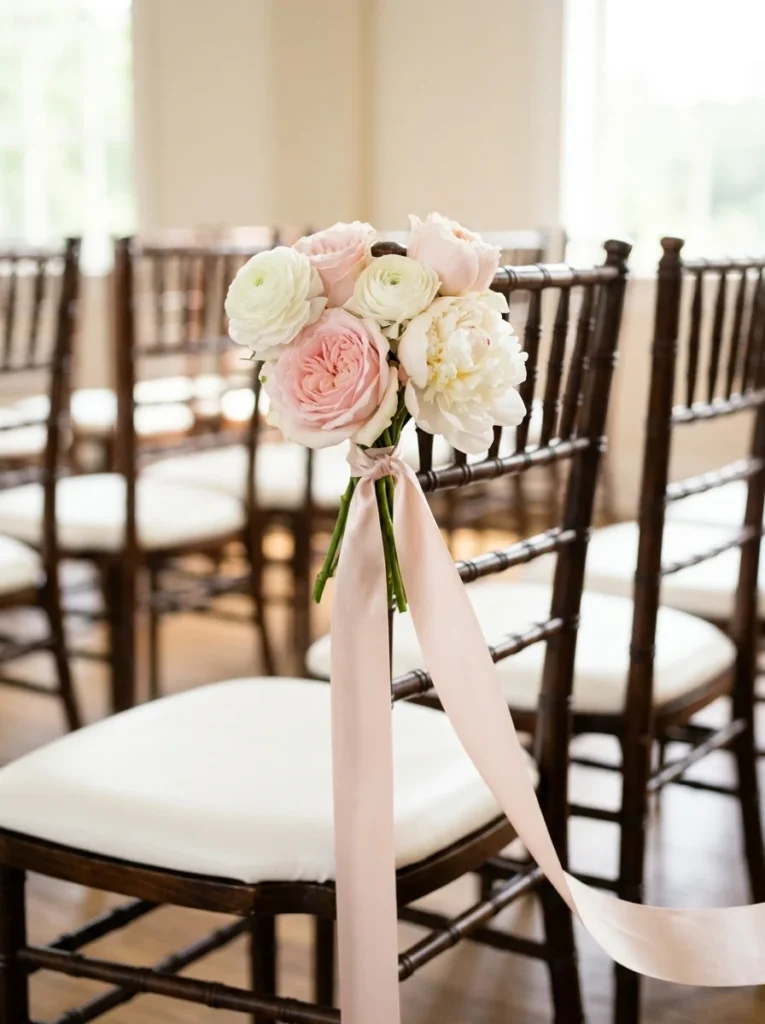
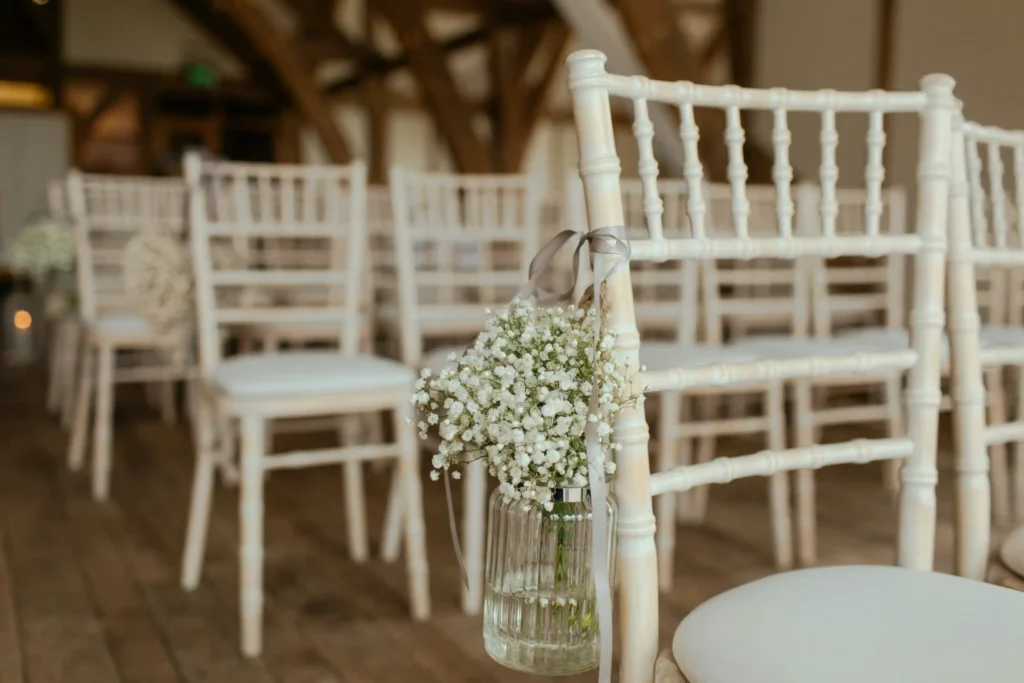
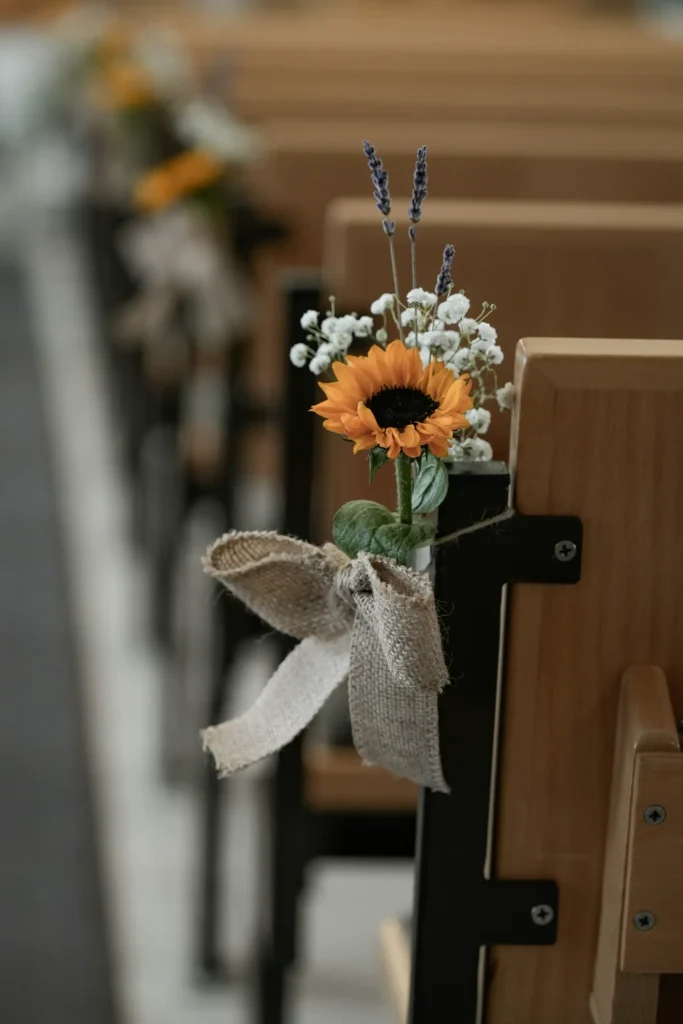
For a lush look, use garden roses, ranunculus, or peonies bunched three to five stems together and wrapped with a ribbon in a trailing bow. For something lighter and more wildflower-inspired, loose bundles of baby’s breath, chamomile, lavender, or dried grasses feel effortless and airy. See more wedding aisle ideas for better aesthetic look.
Budget tip: Grocery store flowers, conditioned the night before, work beautifully as pew markers. You do not need florist-quality stems for small accent pieces that will be viewed from several feet away.
Lantern Aisle Markers
Lanterns placed at the end of each row — either hanging from shepherd’s hooks between chairs or sitting on the ground — create a warm, almost cinematic atmosphere, especially for evening ceremonies or barn weddings.
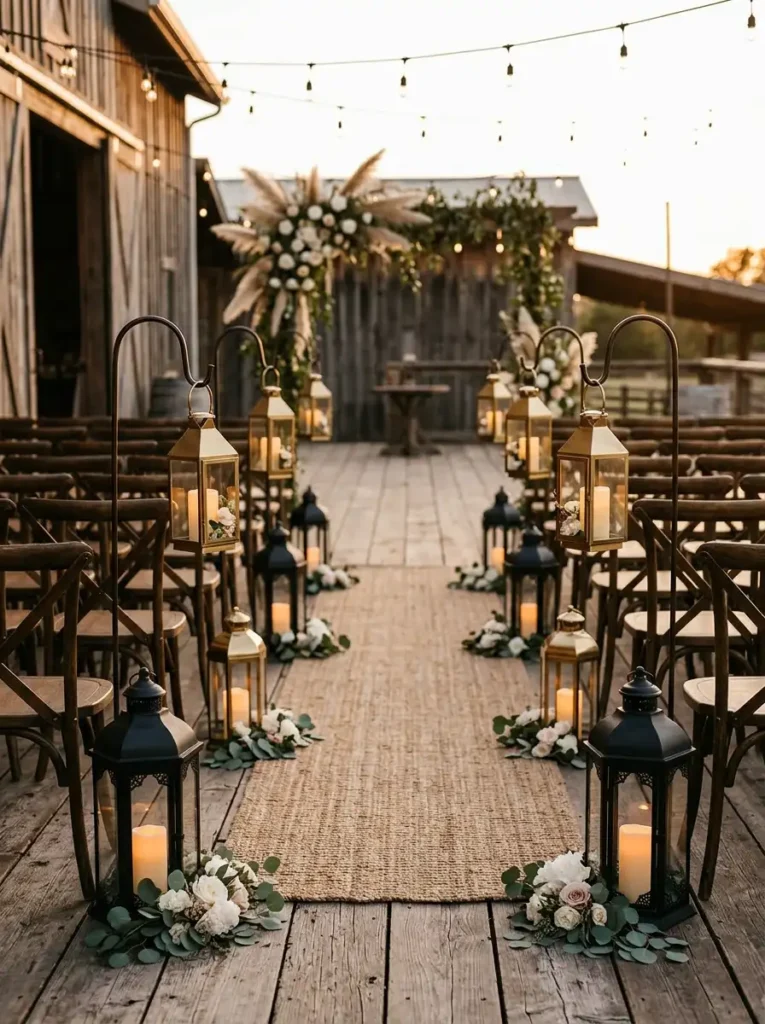
Brass and gold lanterns feel romantic and timeless. Black iron lanterns have a more dramatic, editorial quality. White or cream painted lanterns suit coastal, garden, and vintage aesthetics particularly well.
Tuck a small floral bundle or a few loose leaves inside or around the base of each lantern for a finished look. Battery-operated candles inside lanterns are far safer than real flames, especially outdoors.
Ribbon and Fabric Aisle Markers
Long trailing ribbons tied to chair backs or pew ends are one of the most affordable and visually impactful choices available. Silk ribbon, velvet ribbon, or wide organza in coordinating colors moves gently in a breeze and photographs beautifully.
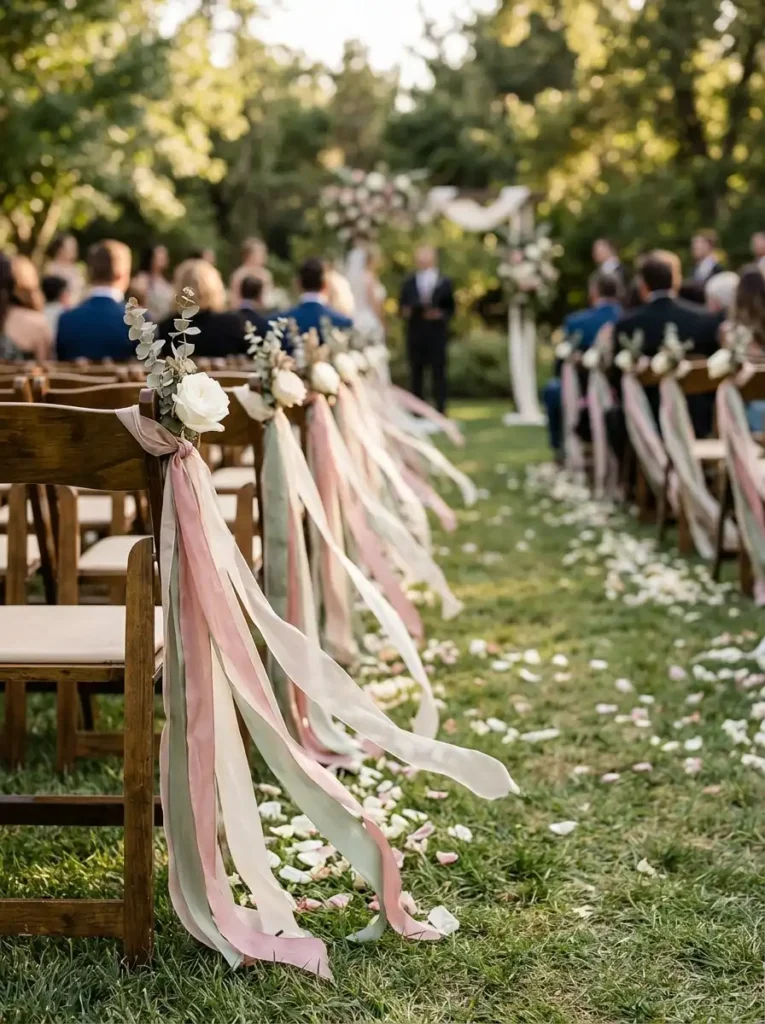
The secret to ribbon aisle markers that look intentional rather than cheap is using enough ribbon. A single thin strip looks sparse. A generous 24 to 36 inch length in one or two complementary colors, tied in a soft knot and allowed to trail naturally, looks deliberately styled.
Potted Plant Markers
Small potted plants — herbs, succulents, ferns, or flowering plants in terracotta pots — make charming aisle markers that can double as guest favors at the end of the night. Label each pot with a small tag bearing a guest’s name or table number for an added personal touch.
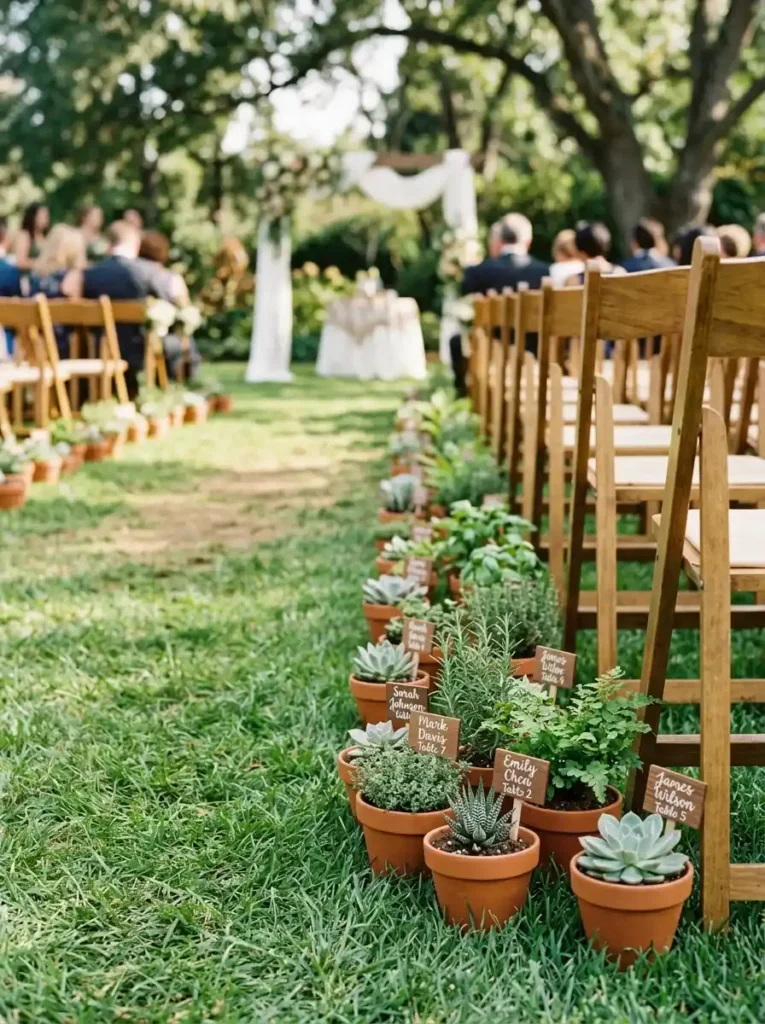
This option is particularly effective for garden party ceremonies, rustic outdoor weddings, and eco-conscious couples who want less floral waste.
Candle Clusters
Groups of pillar candles or votive clusters placed on the ground or on small pedestals between rows create a deeply romantic mood. For daytime outdoor ceremonies where candles would not be visible, swap in white stones, glass vases with flowers, or small potted greenery to achieve the same clustered visual rhythm.
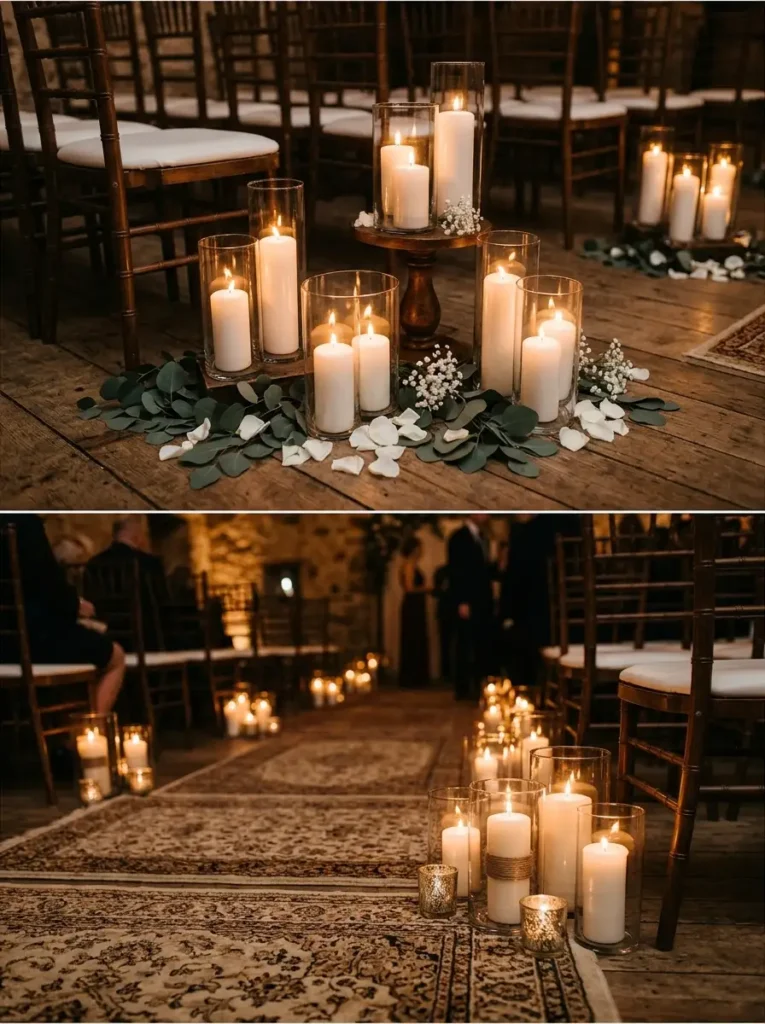
For evening ceremonies, pillar candles in varying heights create a gorgeous soft light — use hurricane glass covers outdoors to protect flames from wind, and have someone designated to light everything 20 to 30 minutes before guests arrive.
Aisle Runners: Yes, No, and Which Kind
The aisle runner question divides wedding planners almost as reliably as the debate over assigned seating. Here is an honest breakdown.
Fabric Runners
Traditional white or ivory fabric runners provide a clean visual path down the aisle and protect the bride’s dress hem on grass or uneven surfaces. They look formal and work well in churches and ballrooms.
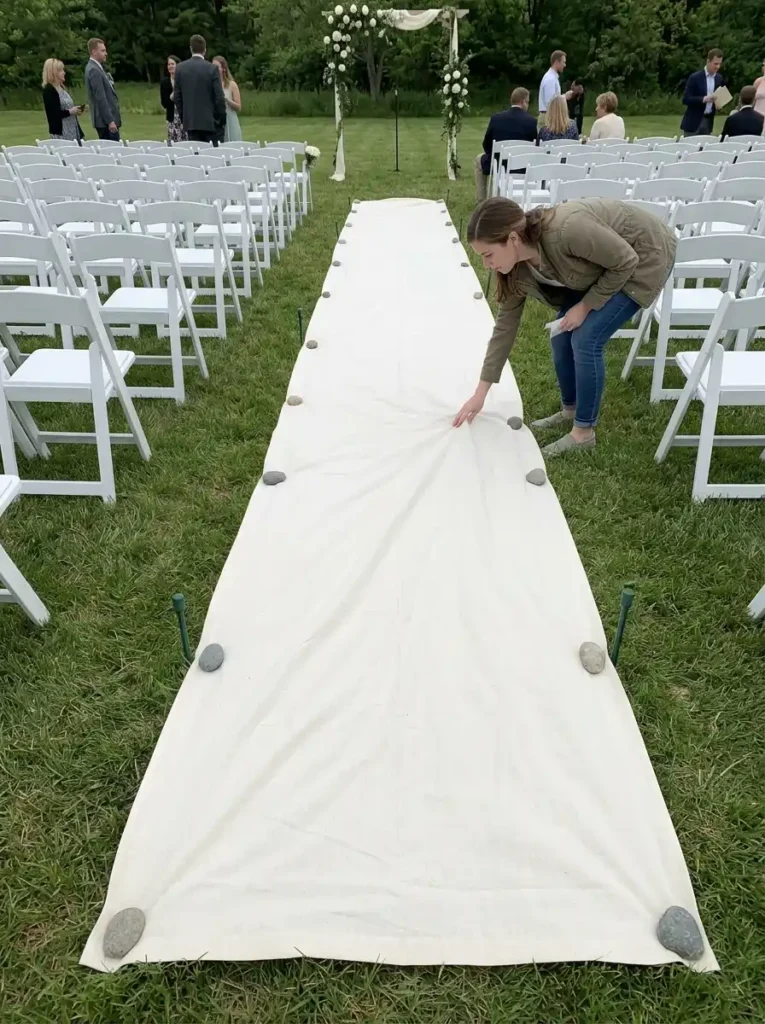
The downside is practical: fabric runners bunch, slip, and can become a genuine tripping hazard on uneven terrain. If you use one outdoors, secure the edges with ground stakes or heavy stones placed just off the path, and have someone walk the runner ahead of the processional to smooth any wrinkles.
Floral Petal Runners
Scattered flower petals down the aisle are stunning in photographs and add fragrance to the ceremony space. Rose petals are the most traditional choice, but ranunculus petals, marigold heads, dried lavender, and even cherry blossom petals all work beautifully depending on the season and color palette.
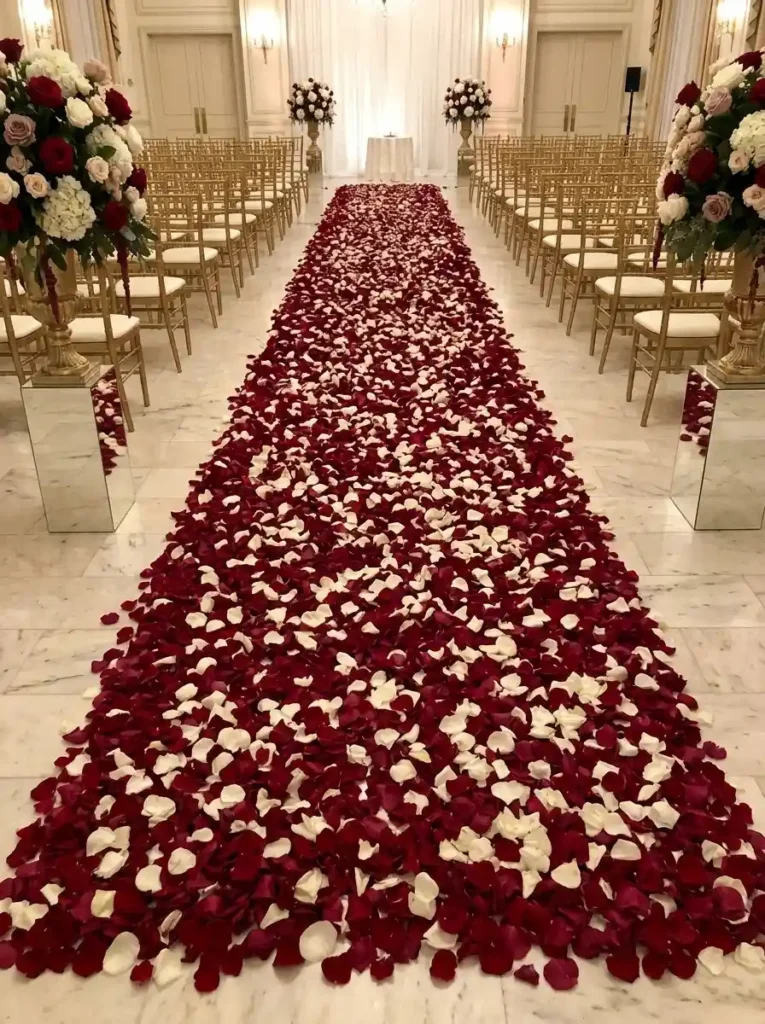
For a full petal carpet look, budget generously — a fully covered 60-foot aisle runner requires far more petals than most couples estimate. A more modern take is a scattered, organic arrangement rather than a solid carpet, which uses less product and photographs more naturally.
Greenery Runners
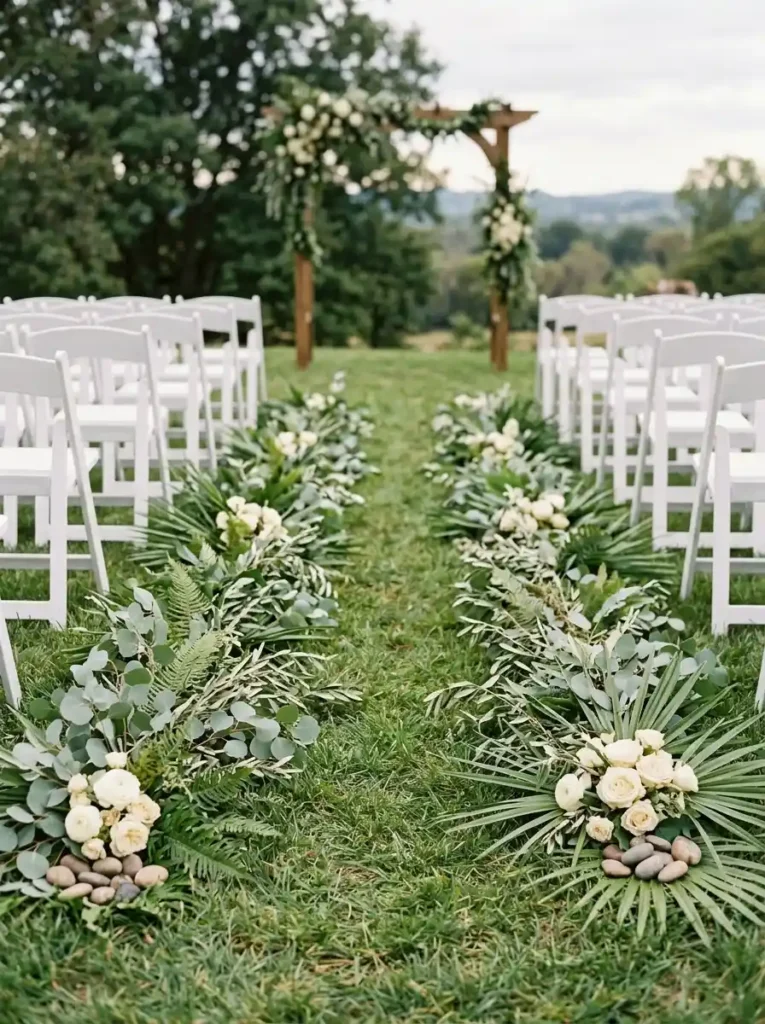
Laying fresh or dried greenery — eucalyptus branches, fern fronds, olive branches, or palm leaves — flat on the ground creates a lush, garden-like look that works exceptionally well for outdoor ceremonies. Weight the pieces at intervals with small stones or florals to prevent them from being disturbed during the processional.
No Runner at All
For many venues and aesthetics, the floor itself is the best aisle surface. Exposed hardwood in a barn, natural grass outdoors, stone pavers in a garden — these surfaces have their own beauty that an added runner can actually diminish. Strong aisle markers and a clear walking path do all the work a runner would otherwise provide.
Floral Arrangements Along the Aisle
Beyond pew markers, larger floral arrangements along the aisle itself create a sense of abundance and occasion. These range from simple single-stem arrangements in bud vases to full ground-level floral installations.
Single Stem Bud Vases
A line of small bud vases placed along the edge of the aisle, each holding one or two stems, is one of the most elegant and surprisingly affordable options available. The repetition of simple, identical arrangements creates a strong visual effect without requiring elaborate florals.
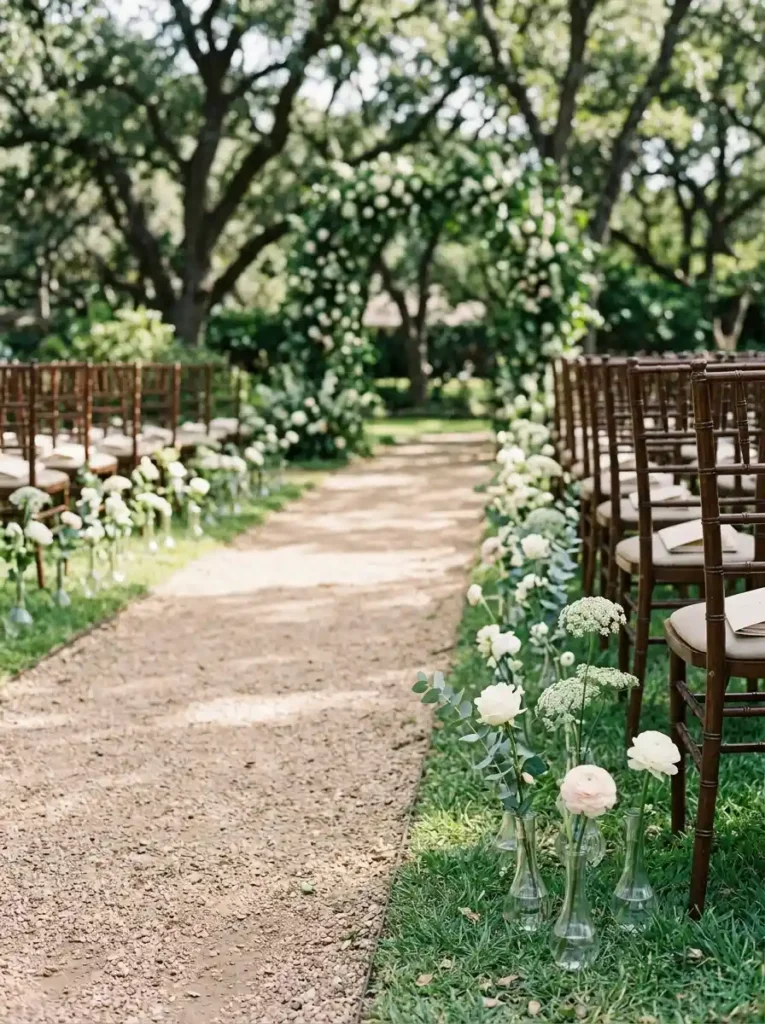
Vary the height slightly between vases for a more natural look. Milk glass vases, clear glass cylinders, or small terracotta pots all give different feels while maintaining the same clean concept.
Floral Clusters at Intervals
Rather than decorating every row, placing larger floral arrangements at every third or fourth row creates visual punctuation without overwhelming the space or the budget. A generous arrangement at the first row, midpoint, and last row before the altar draws the eye down the aisle in a naturally pleasant rhythm.
Ground-Level Floral Installations
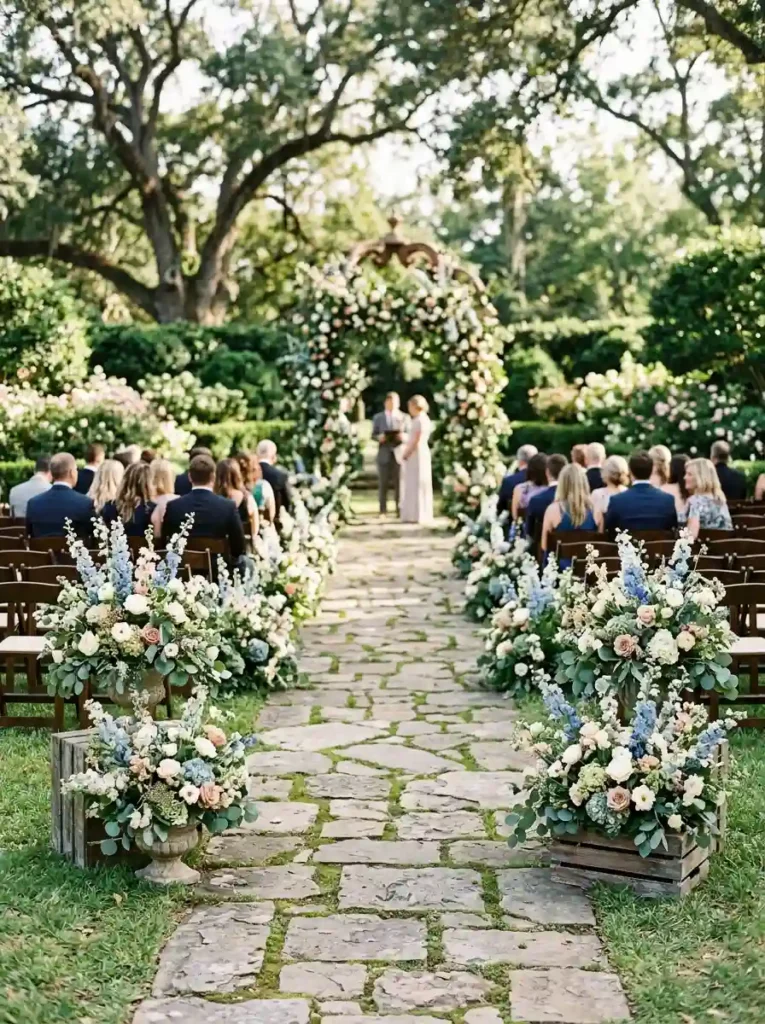
This is where ceremony aisles become genuinely breathtaking. Ground-level arrangements — large bouquet-style clusters of flowers, greenery, and flowering branches placed directly on the ground along both sides of the aisle — create an immersive, garden-in-bloom atmosphere.
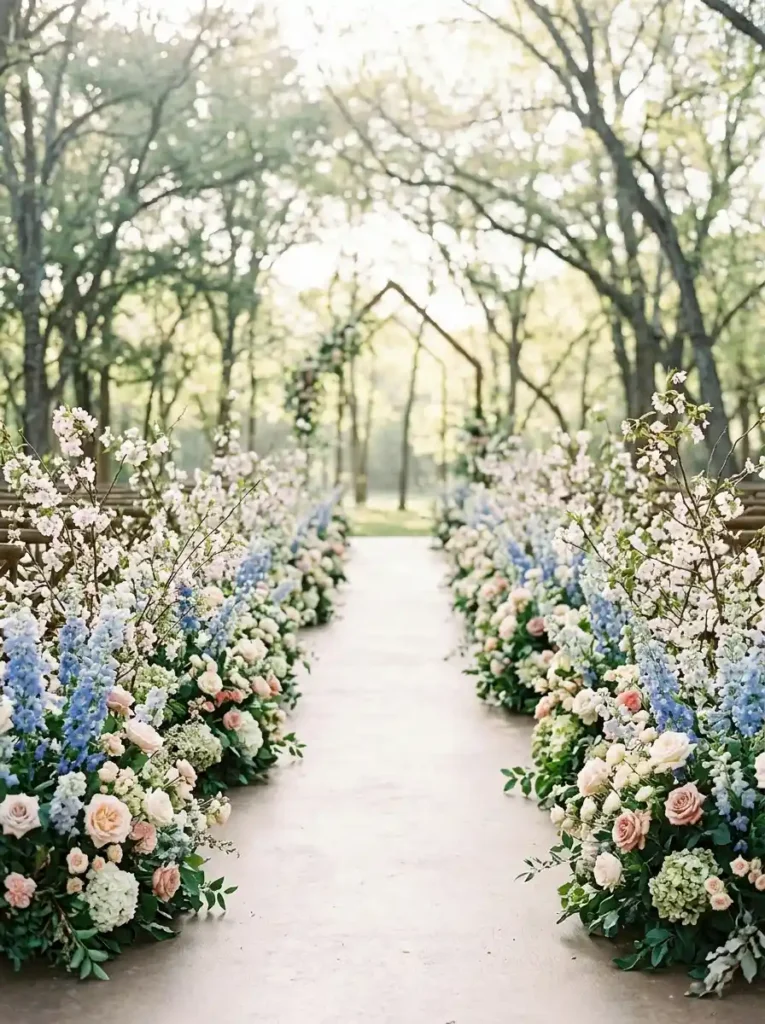
These installations require either a skilled florist or a committed DIY team working the morning of the wedding. The flowers need to be conditioned the day before and kept in water until the last possible moment. The effect, however, is extraordinary — it is the kind of aisle that makes guests go quiet when they walk in.
Hanging Floral Chandeliers or Hoops
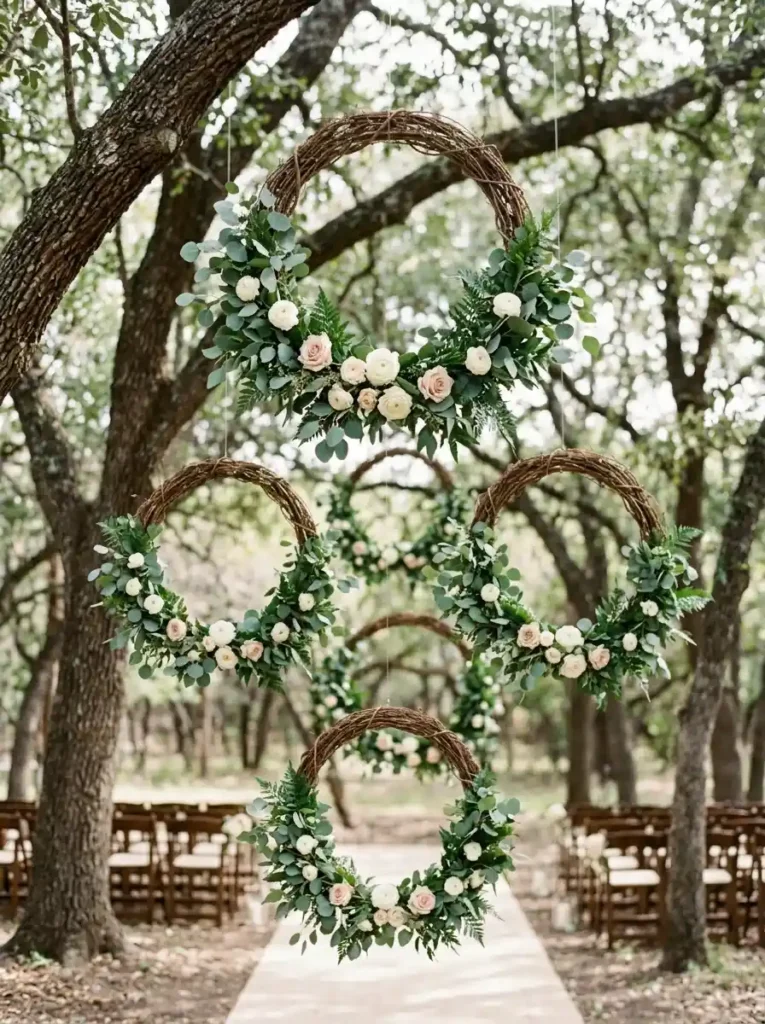
For venues with ceiling beams, high tent poles, or tall outdoor trees, hanging floral installations above the aisle path add an architectural dimension that cannot be achieved any other way. A series of floral hoops at gradually decreasing heights, or a large floral chandelier positioned above the couple’s position at the altar, creates a moment that no photograph will ever fully capture.
Arch and Altar Framing: Where the Aisle Ends
The altar end of the aisle is the focal point of the entire ceremony space. Whatever you put there needs to feel worthy of the moment — and it also needs to photograph well from the back of the aisle, which is where most ceremony photos are taken.
Classic Wedding Arches
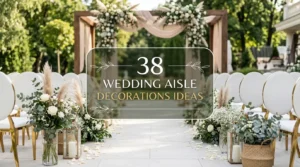
A wooden arch or metal hoop decorated with florals, greenery, and fabric draping is the most popular ceremony backdrop choice right now, and for good reason. It frames the couple during the ceremony, gives photographers a consistent and beautiful background for the exchange of vows, and can be styled in an almost unlimited range of ways.
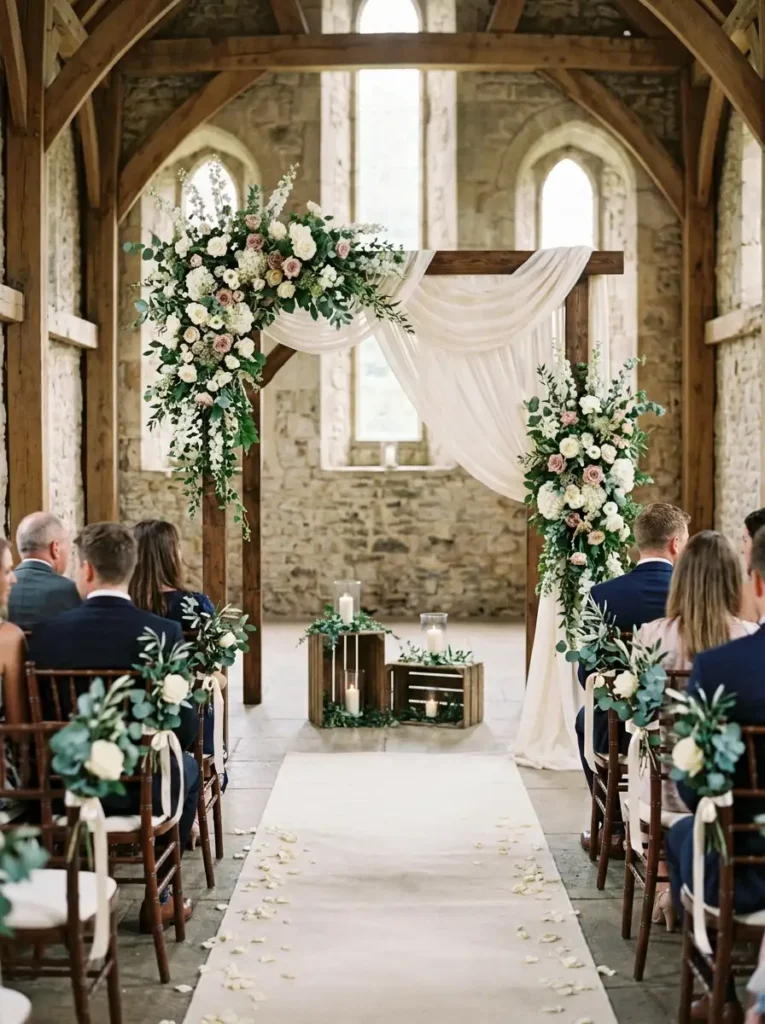
Wooden arches have a natural warmth that suits outdoor, rustic, and garden weddings. Leave them raw and unfinished for a minimal look, or paint white or sage green for a softer feel.
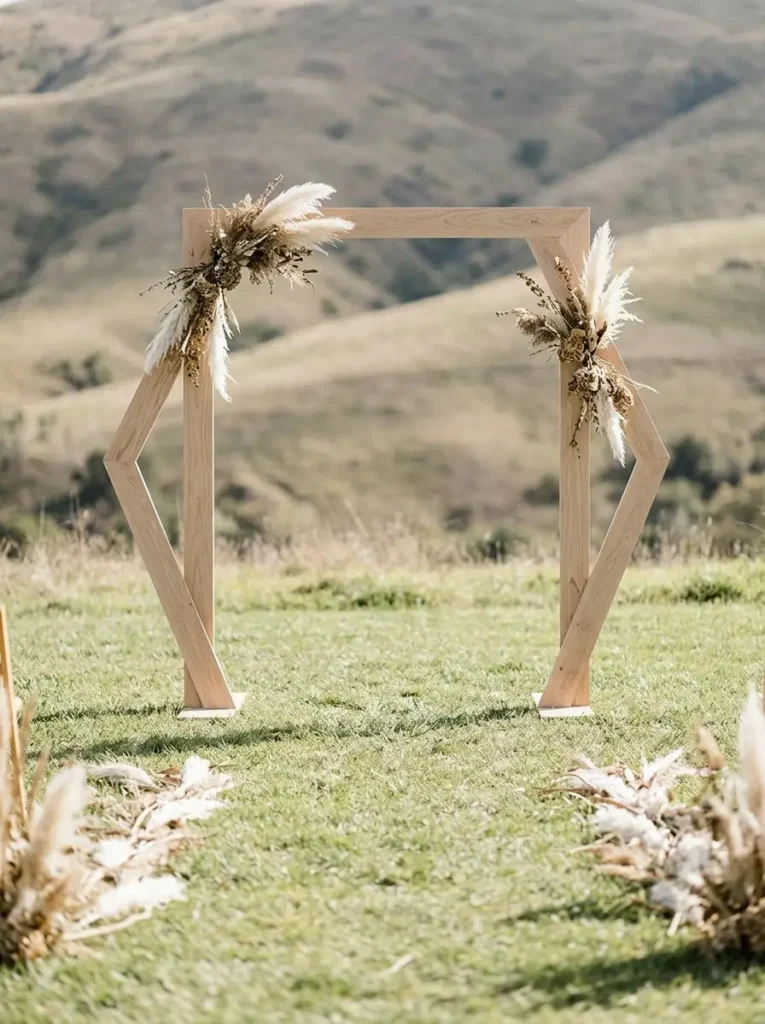
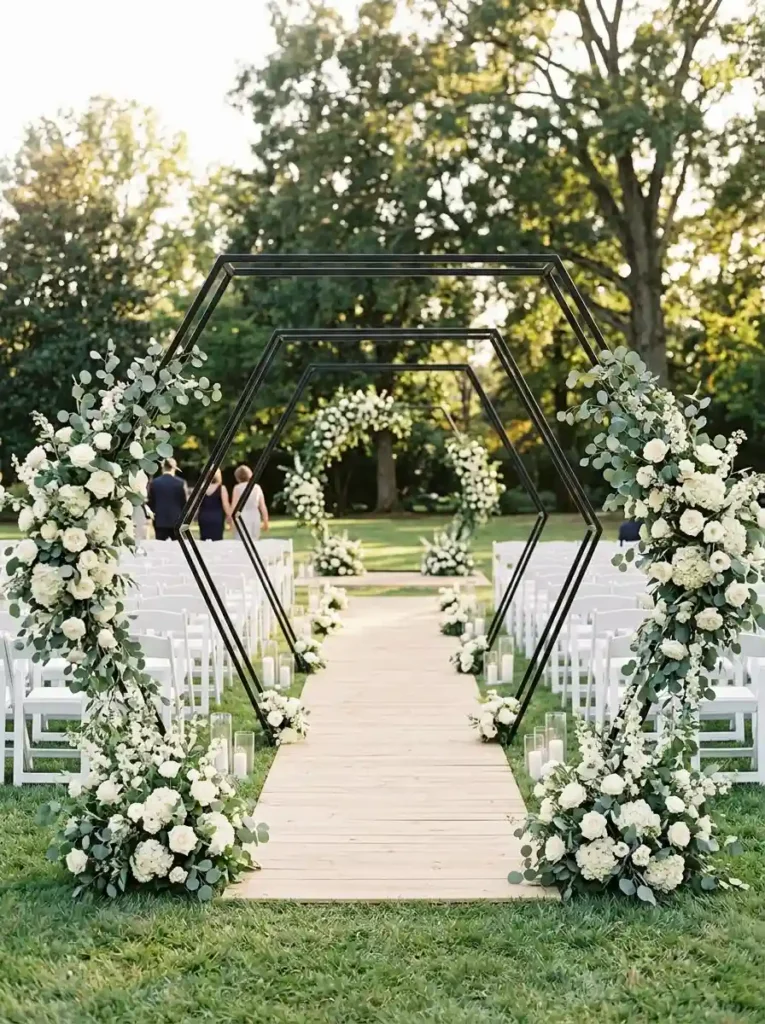
Metal geometric arches (hexagonal or circular hoops) suit modern and minimalist aesthetics. The clean lines make a striking contrast with abundant florals.
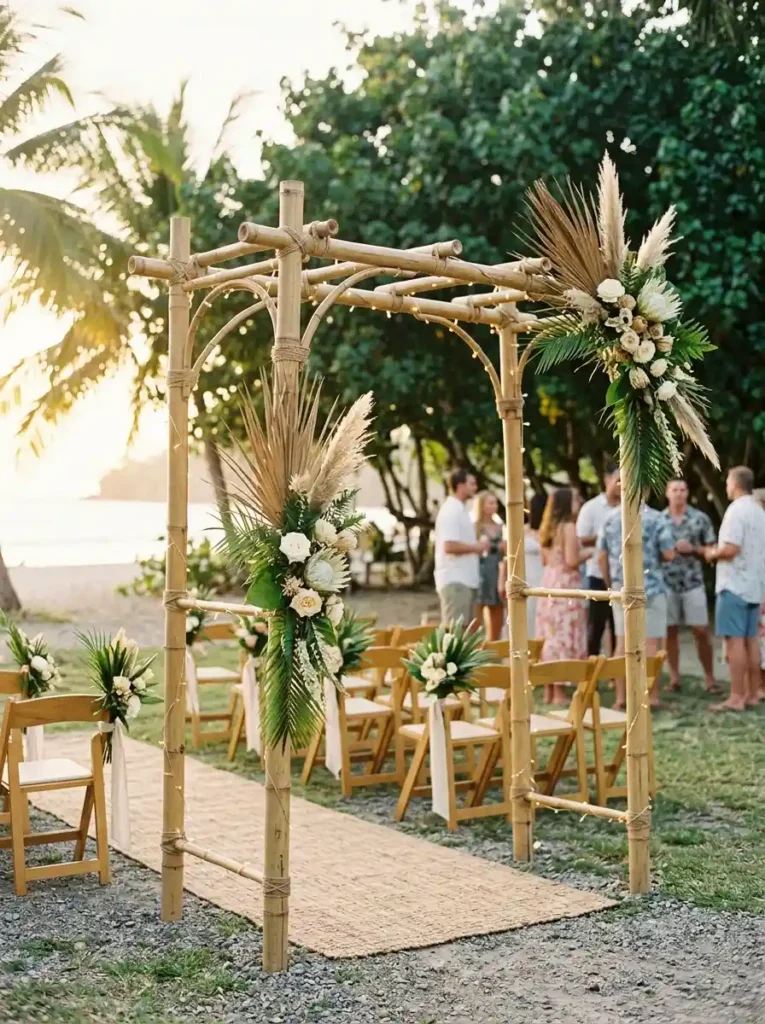
Bamboo arches are a sustainable and budget-friendly option that works particularly well for tropical or boho-inspired weddings.
Pillar Arrangements
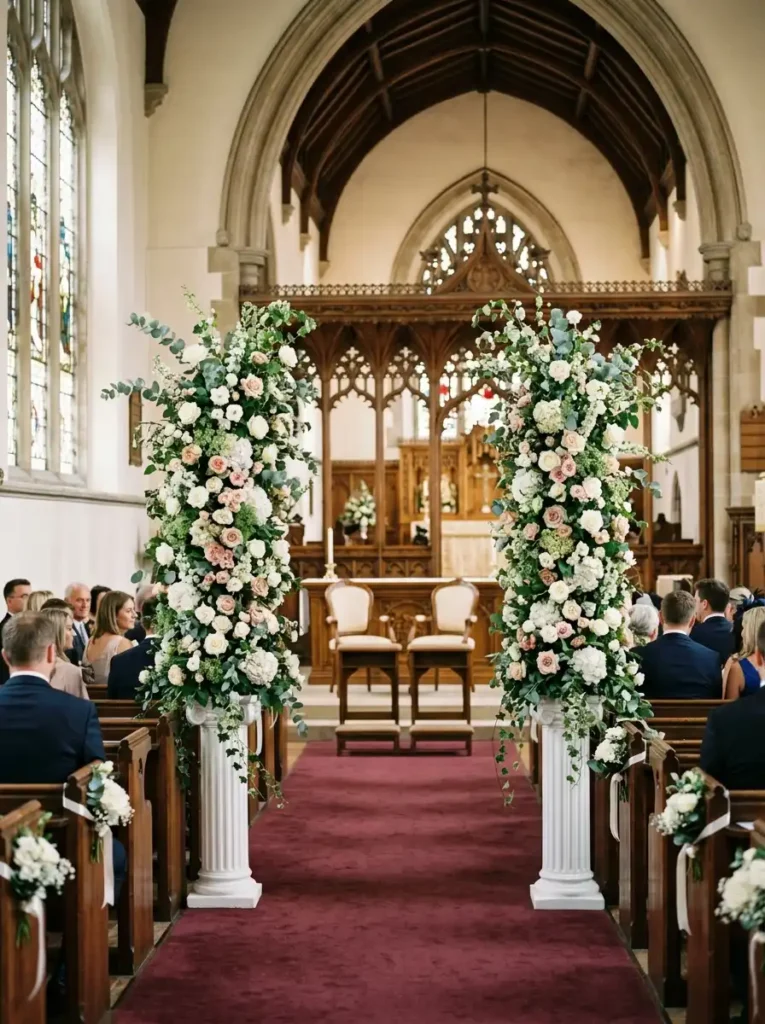
Two large floral pillar arrangements flanking the ceremony position — without a connecting arch — have a classical elegance that suits formal weddings in churches or ballrooms. They also tend to be easier to transport and set up than a full arch structure.
Tree Branches and Organic Structures
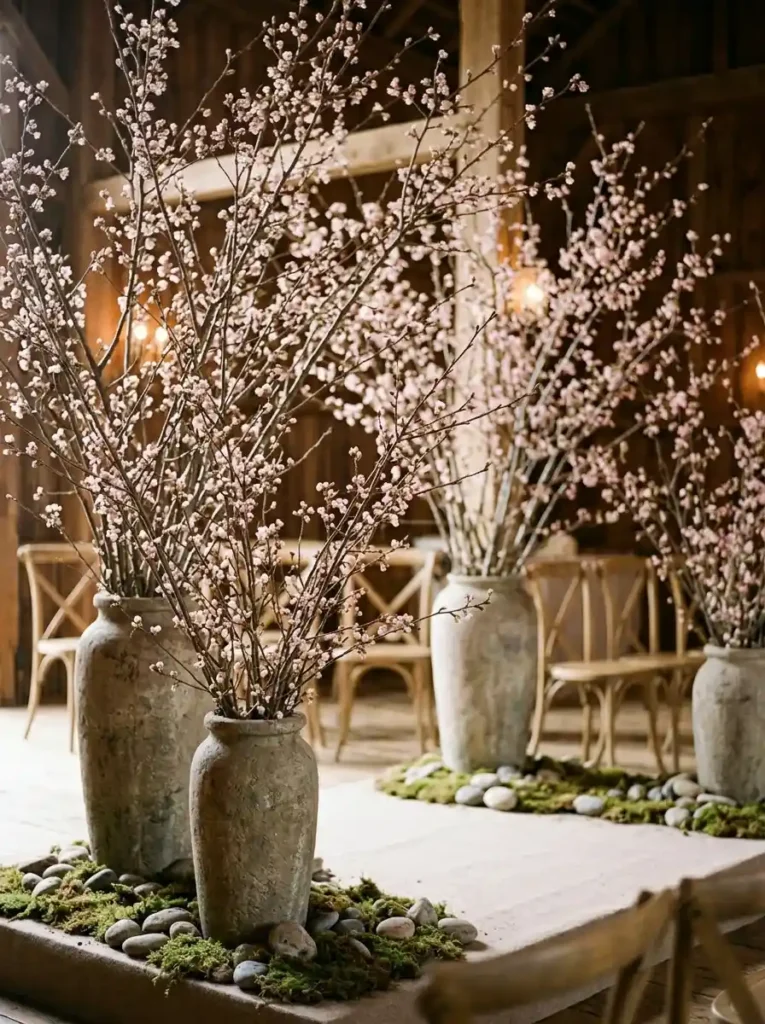
For couples who want something more unexpected, large budding branches (cherry blossom, dogwood, or even simple birch branches) arranged in tall vessels create a ceremony backdrop that feels like it grew from the ground. This approach works particularly well for spring weddings and for couples who love a less structured, more organic aesthetic.
Fabric Draping
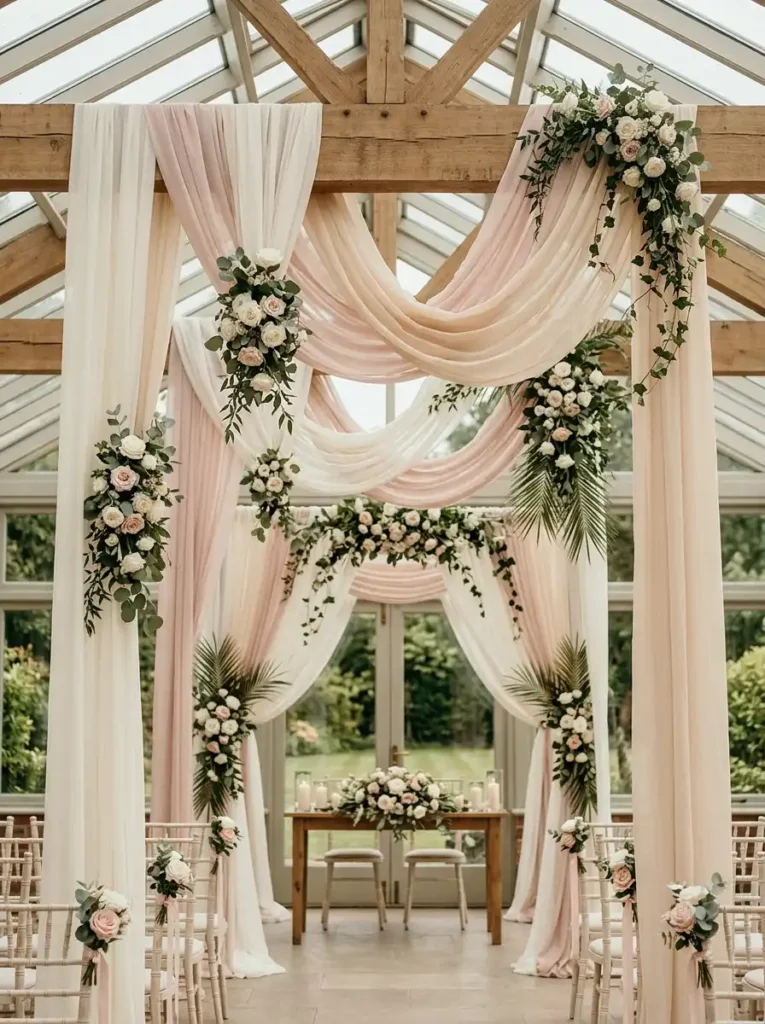
Lengths of sheer fabric — silk, chiffon, or organza — draped from a beam, arch, or ceiling above the altar create a soft, romantic canopy effect. In ivory, white, blush, or champagne, fabric draping suits nearly any aesthetic and any venue. Combine with a few hanging floral clusters or greenery for dimension.
Aisle Decoration Ideas by Wedding Style
Romantic and Classic
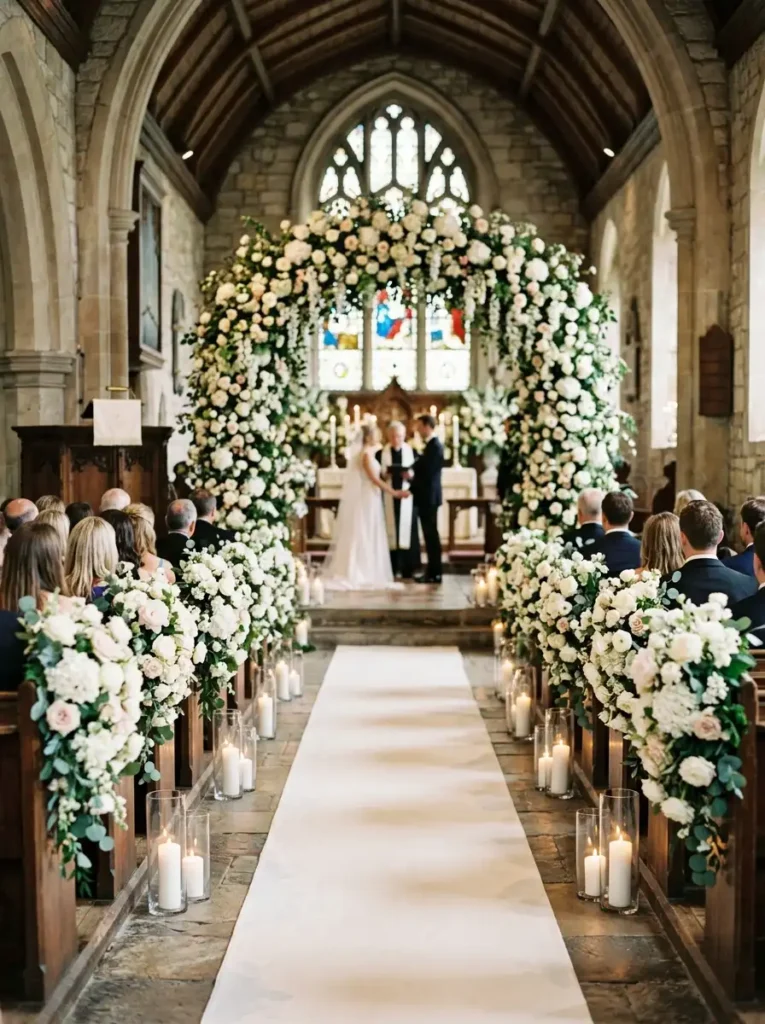
Lush white and blush florals on every pew end, a fabric runner, pillar candles in glass hurricanes at intervals, and a fully floral arch at the altar. Rich, abundant, and timeless.
Boho and Wildflower
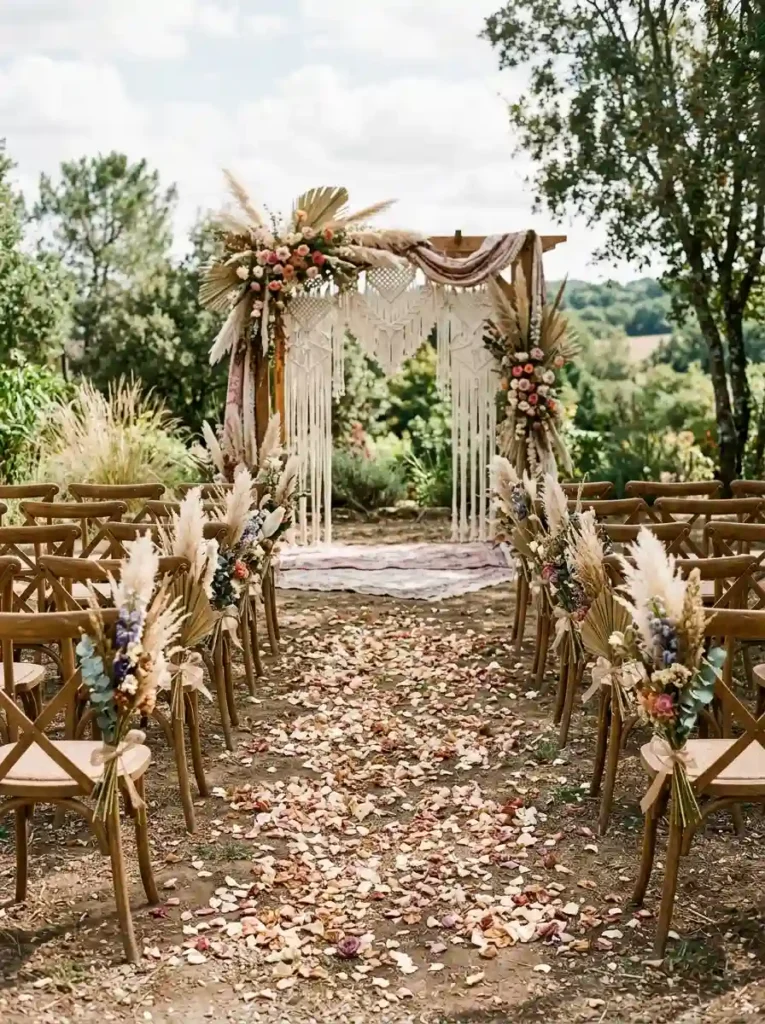
Dried pampas grass, dried palm spears, and loose wildflower bundles tied with jute twine on every other chair. Scattered dried petals on the ground. A natural wood arch wrapped with macramé and cascading dried floral arrangements.
Modern and Minimalist
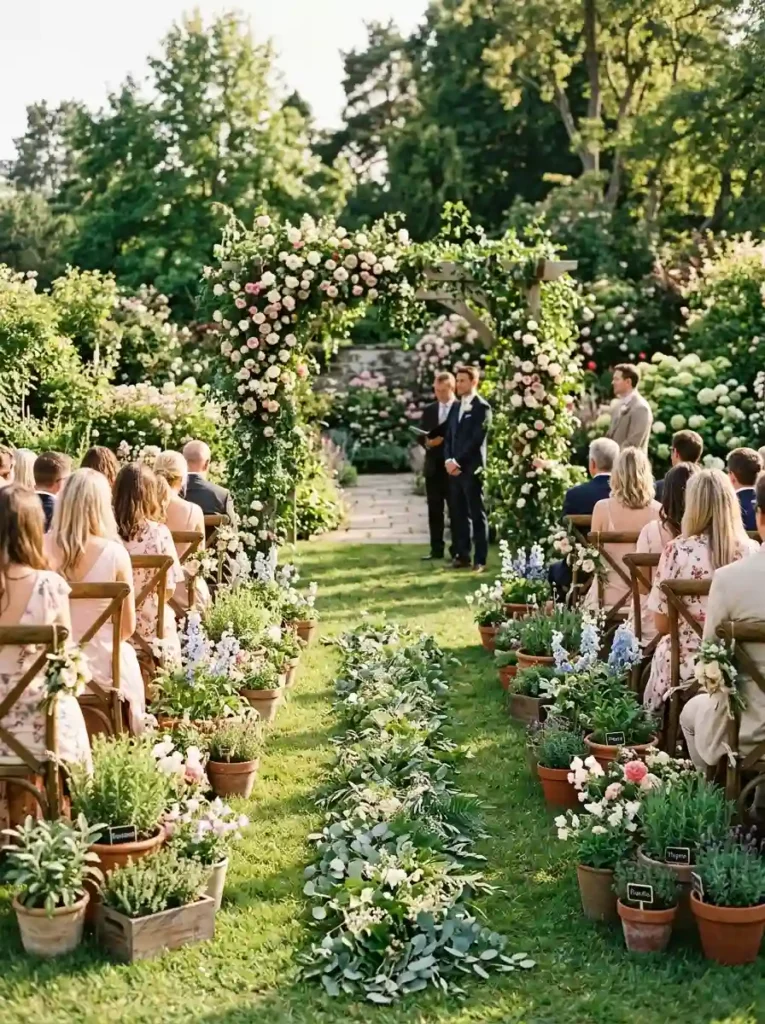
Clear glass bud vases with single white stems at every third row. No runner. A geometric metal arch with a controlled arrangement of white blooms and dark green foliage. Clean lines everywhere.
Garden Party
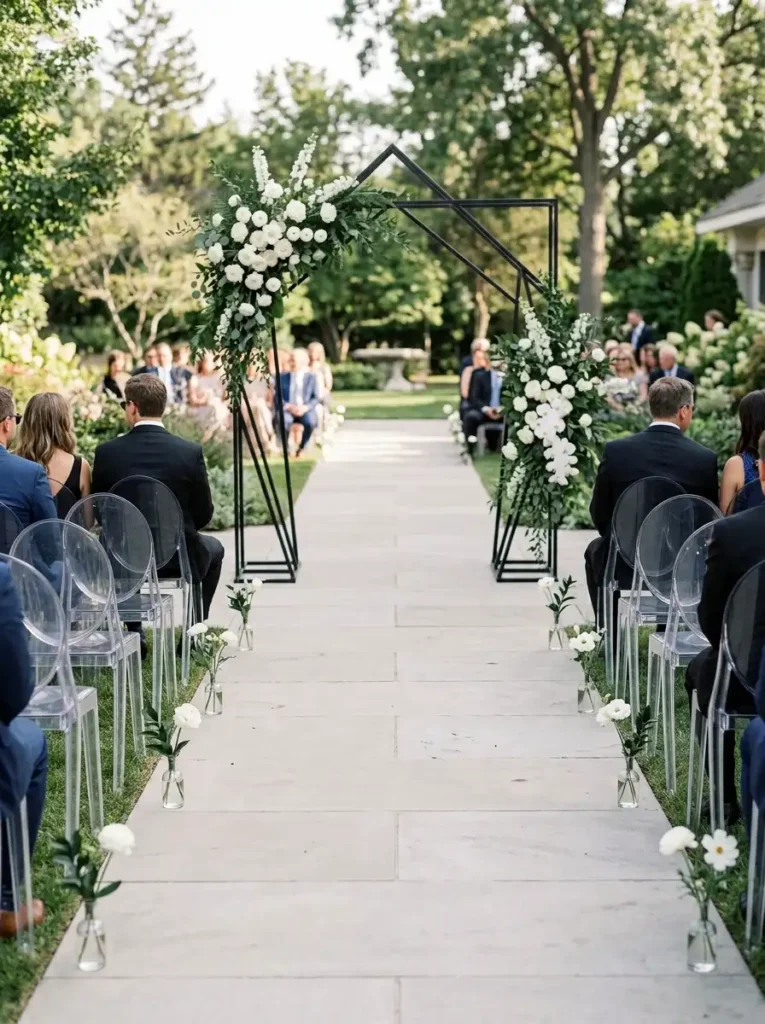
Potted herbs and small flowering plants as aisle markers. A greenery runner. A wooden arch covered in climbing roses and ivy. Warm and abundant without being formal.
Rustic and Barn
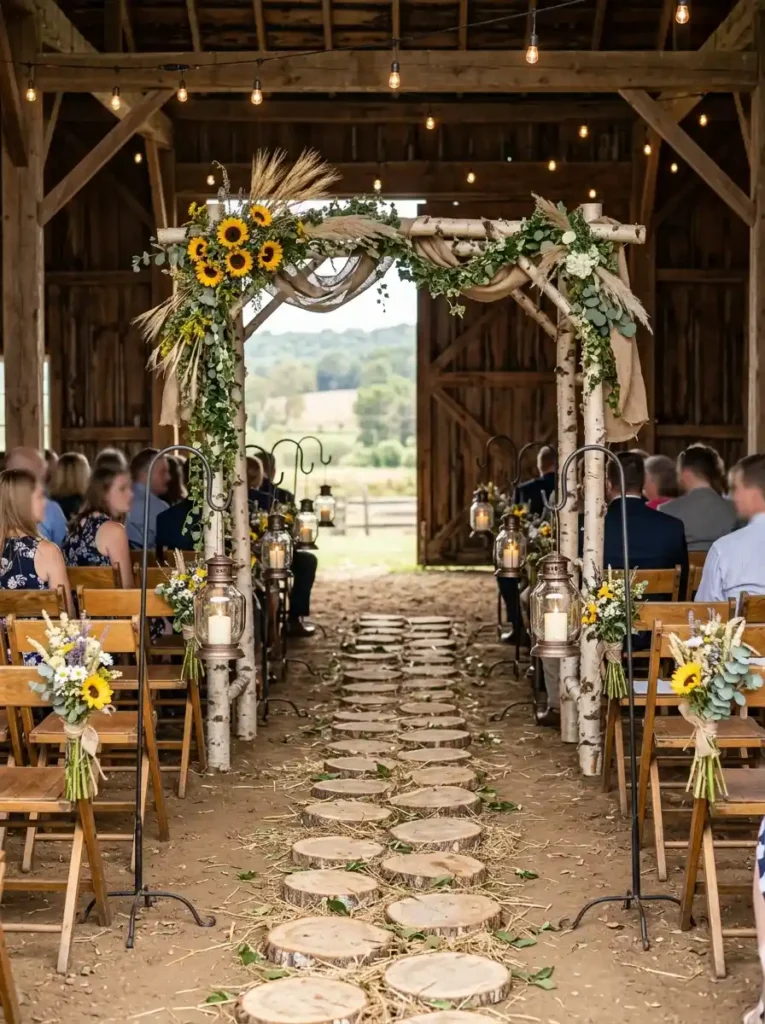
Lanterns on shepherd’s hooks alternating with small wildflower bundles. A wood slice runner or bare ground. A birch wood arch with sunflowers, dried wheat, and trailing greenery.
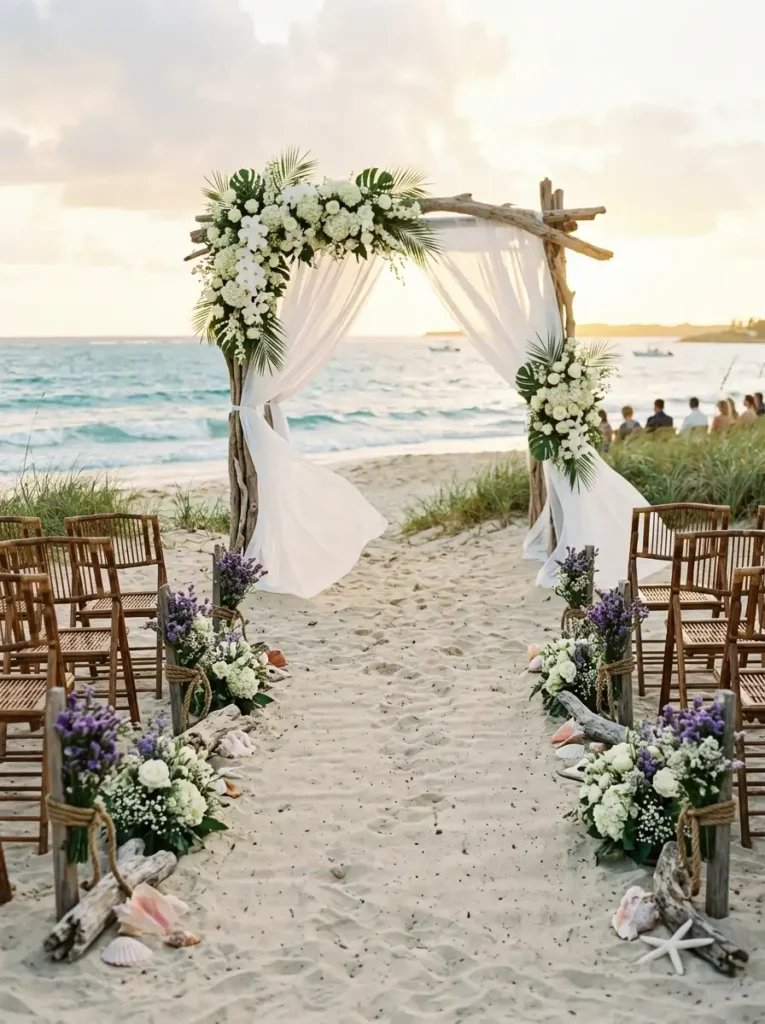
Coastal and Beach
Seashells, driftwood pieces, and small bundles of sea lavender or white flowers tied with nautical rope. No runner on sand. A driftwood arch with lush white tropicals and soft flowing fabric.
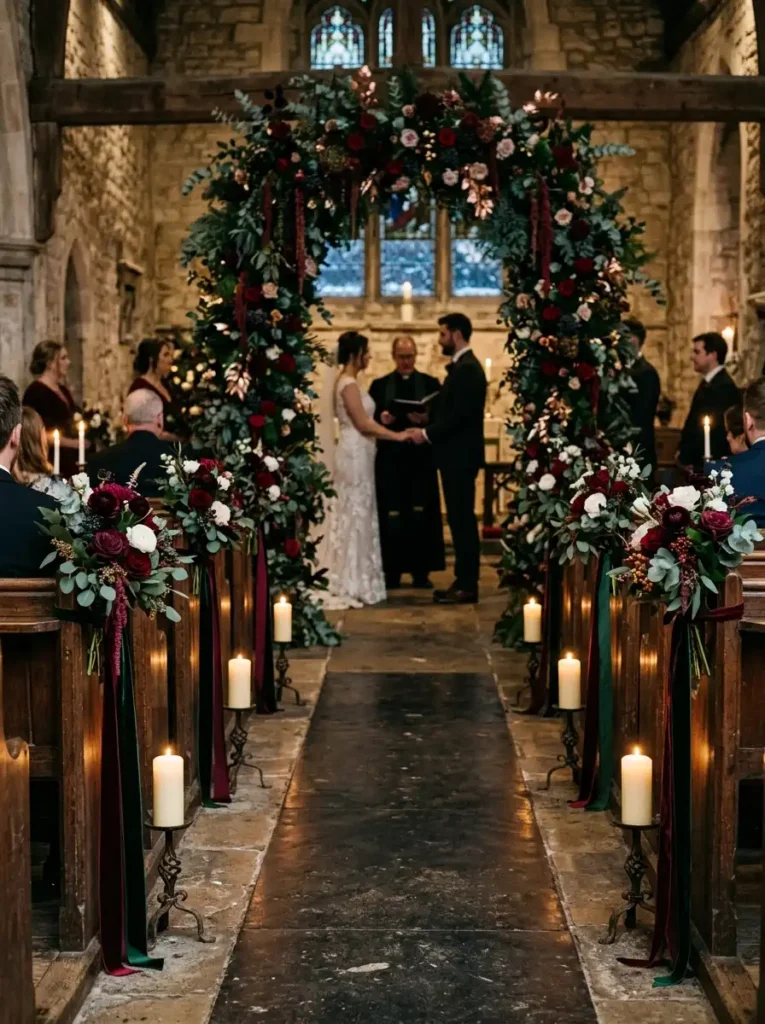
Winter and Moody
Deep burgundy and white floral pew markers with trailing velvet ribbon. Pillar candles in black iron holders. An arch covered in dark foliage, deep red florals, and metallic accents.
DIY Aisle Decoration Projects You Can Actually Make at Home
Ribbon Wands for Chairs
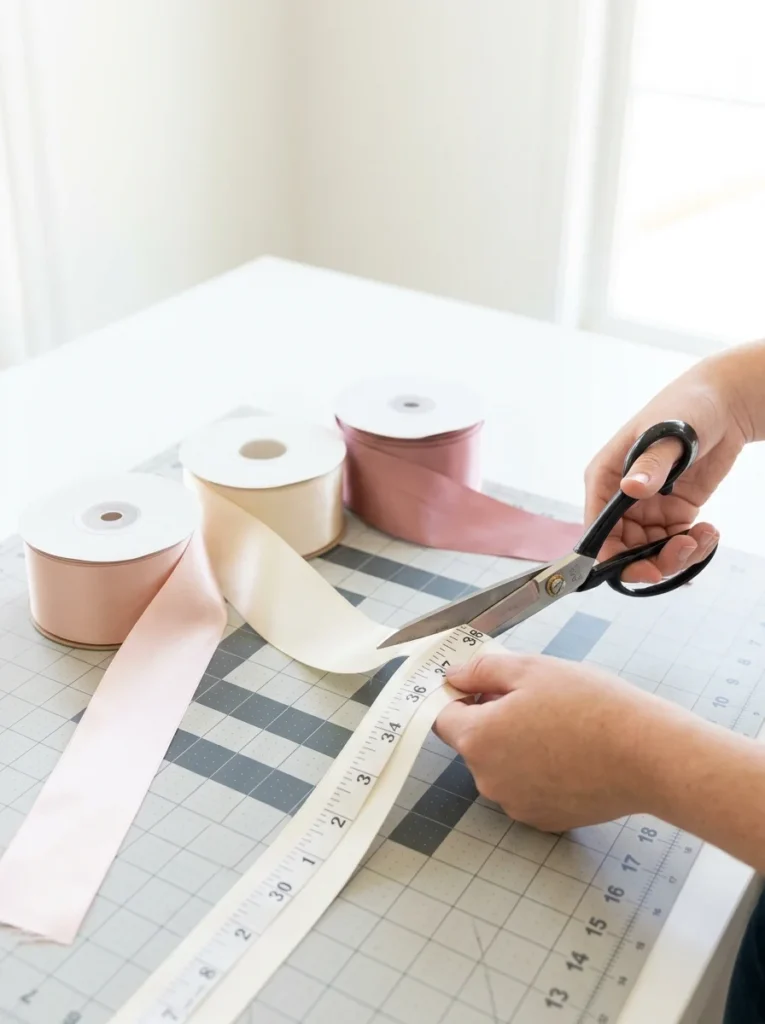
Purchase ribbon in two or three coordinating colors from a craft store. Cut lengths of approximately 30 to 36 inches. Gather three to five strands together and fold at the midpoint. Slip the folded loop through a chair tie hook or loop a piece of twine through the fold and tie to the chair back. Simple, affordable, and stunning in a row.
Mason Jar Lanterns
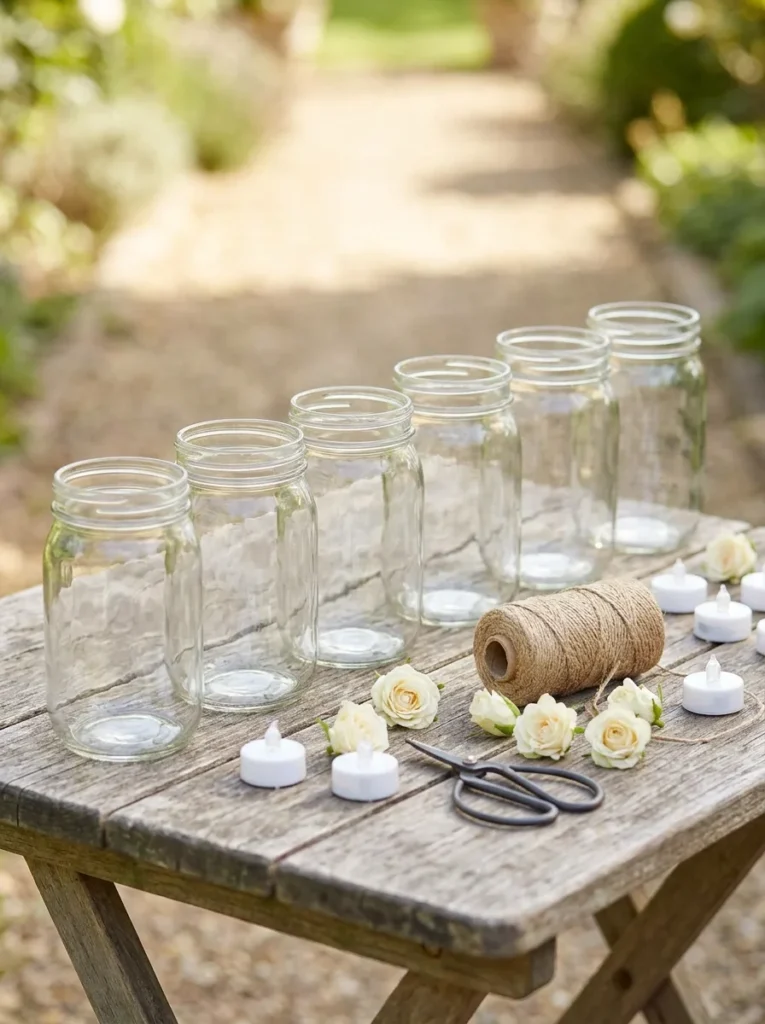
Collect identical mason jars. Fill each with water and float a small flower head or a battery tea light inside. Tie a length of twine around the neck with a simple knot and attach to shepherd’s hooks or place on the ground at intervals. The total cost for a dozen of these is minimal.
Floral Hoop Pew Markers
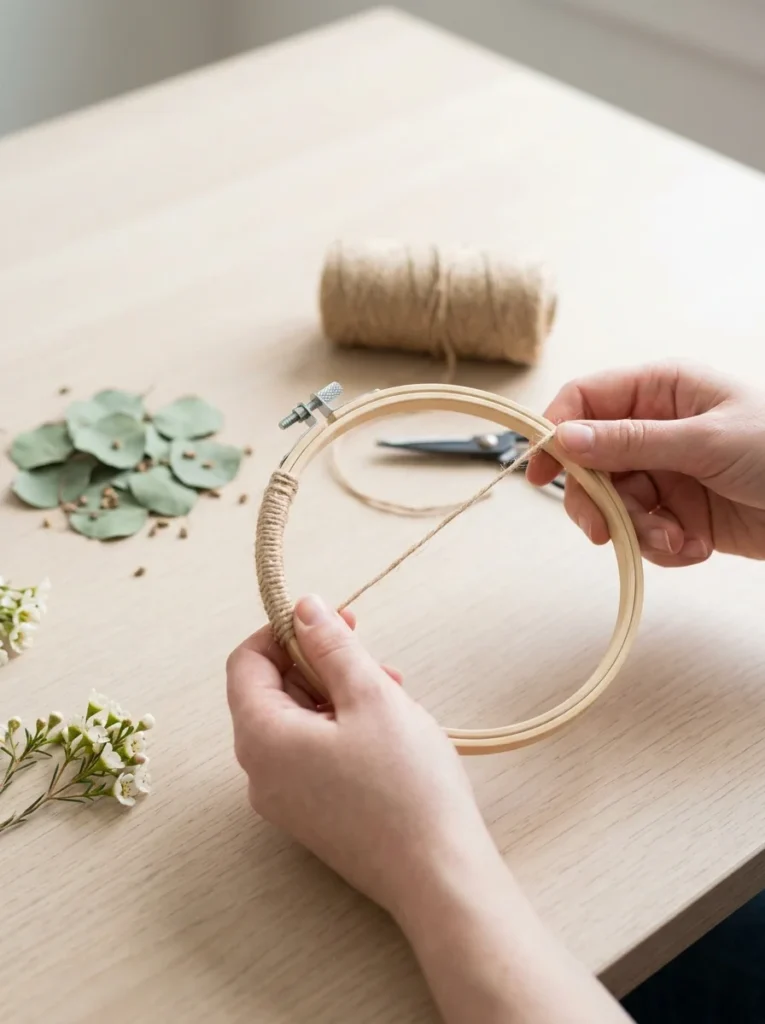
Purchase small embroidery hoops (6 to 8 inch diameter) from a craft store. Wrap the outer hoop completely with floral tape or twine for texture. Wire small flower bundles, greenery sprigs, and ribbon lengths to the bottom of the hoop. Hang from chair backs using a ribbon loop. These photograph like something from a professional florist’s portfolio.
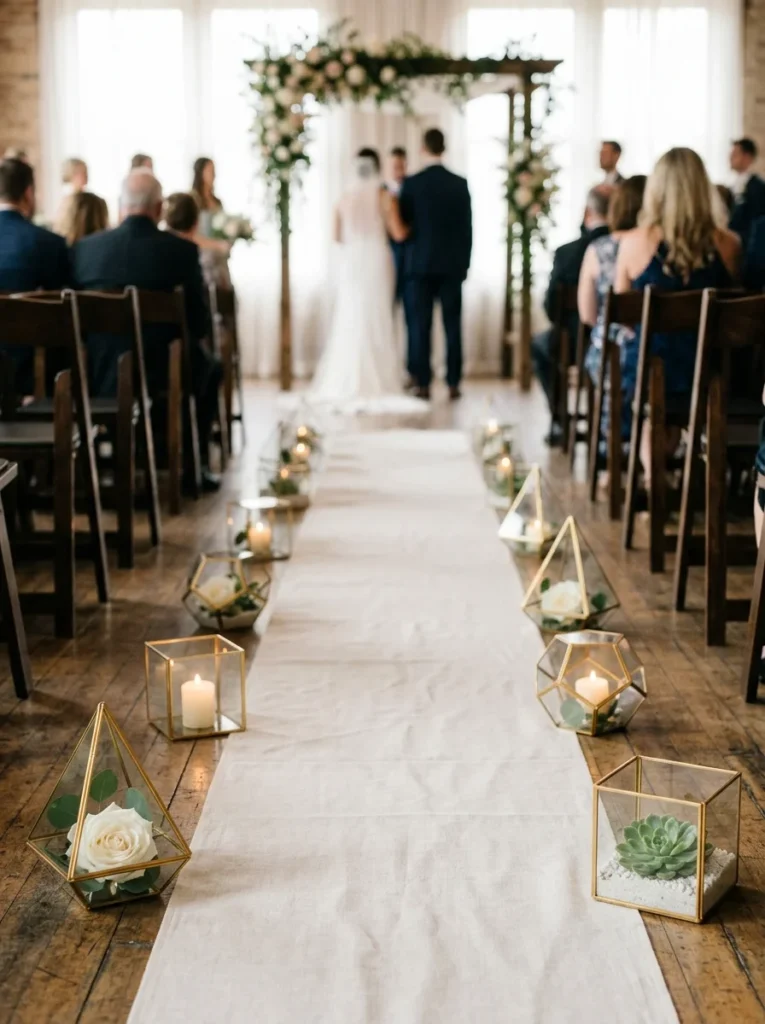
Geometric Terrarium Aisle Markers
Small glass geometric terrariums filled with a single bloom, a candle, or a succulent make striking modern aisle markers. They can be found affordably on Amazon or craft stores and require no assembly beyond placing your chosen element inside.
Paper Flower Pew Cones
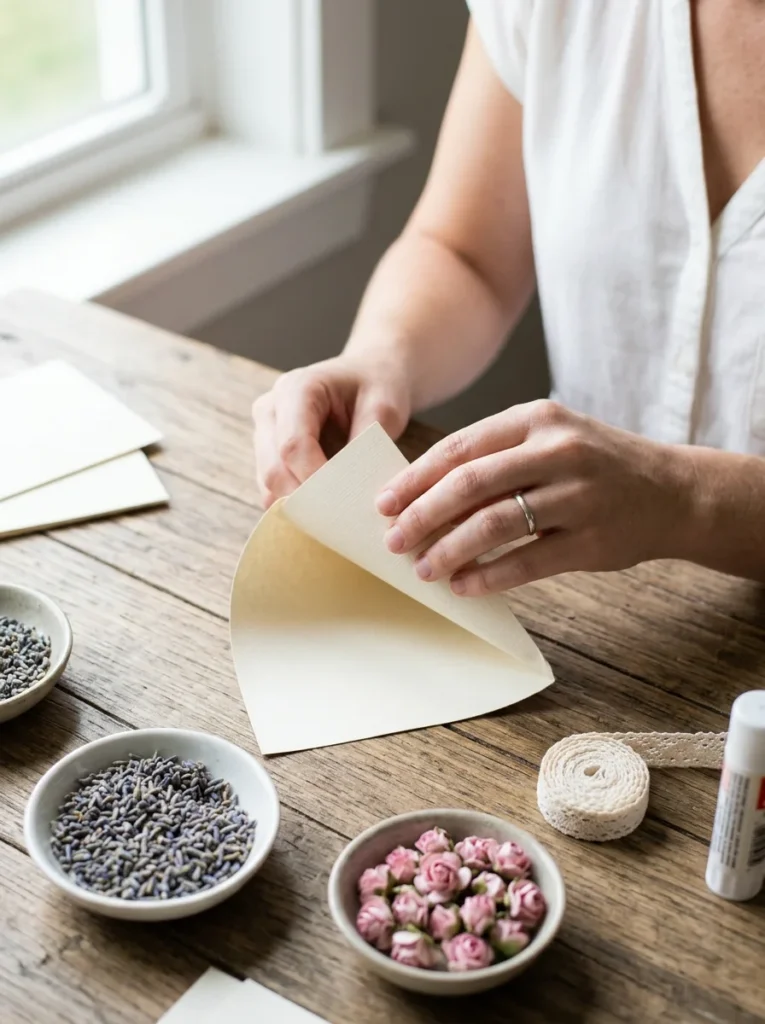
Fold heavy cardstock or decorative paper into cone shapes. Fill with flower petals for guests to toss during the recessional, or with small flowers for a decorative look. These are particularly effective for children’s sections of the seating.
Budget Planning for Aisle Decorations
| Decoration Type | Estimated Cost Range |
|---|---|
| Ribbon chair ties (full aisle) | $15 – $40 |
| Lanterns with battery candles | $30 – $80 |
| DIY petal runner | $25 – $100 |
| Bud vase aisle markers (full aisle) | $40 – $120 |
| Florist pew arrangements | $200 – $600+ |
| Wooden ceremony arch (DIY) | $50 – $150 |
| Florist-decorated arch | $300 – $1,200+ |
| Ground floral installation | $400 – $2,000+ |
One of the most effective budget strategies is combining one statement piece with simpler surrounding elements. A beautiful arch at the altar with simple ribbon chair ties and a petal runner costs a fraction of fully floraled pew arrangements and still creates a visually complete ceremony space.
Practical Considerations Nobody Warns You About
Wind is the enemy of outdoor aisle decorations. Anything lightweight — petals, ribbon, small arrangements — needs to be secured or weighted. Check the forecast the week of your wedding and have a contingency for gusts.
Delivery and setup timing matters. Fresh florals placed too early will wilt, especially outdoors in summer heat. Coordinate with your florist or DIY team to ensure arrangements go in no more than two hours before the ceremony.
The aisle needs to be wide enough for two people to walk comfortably. Standard chair or pew placement allows for this, but if you are adding ground-level florals or larger installations, measure the clear walking path before finalizing your design.
Consider your dress. A full ballgown moving down an aisle lined with tall flower clusters on the ground is a collision waiting to happen. Match the scale of your aisle decorations to the scale of what will be moving through them.
Think about the recessional view too. Guests watch the couple walk back down the aisle after the ceremony — they see the decorations from both directions. Make sure your aisle markers look intentional from both the back and the front.
When to Book Versus DIY
Not every element of aisle decoration requires a professional florist, and not every element is practical to DIY. Here is a simple way to think about it:
DIY confidently: Ribbon chair ties, candle arrangements, lanterns, potted plant markers, petal runners, mason jar installations.
DIY with preparation: Floral pew markers using conditioned grocery store flowers, simple arch building and basic greenery installation.
Book a professional: Large floral arch installations, ground-level floral designs, hanging installations, complex greenery runners for large guest counts.
The most successful wedding aisle setups usually combine professional work on one or two statement pieces with DIY on the supporting elements. This approach gives you a polished result without a florist-level budget.
Final Thoughts
A wedding aisle does not need to be covered in expensive flowers to feel extraordinary. What it needs to feel is considered. Every choice — the ribbon color, the lantern style, the arch shape, the way petals are scattered — should feel like it belongs to the same story.
That coherence, more than any individual decoration, is what makes guests stop at the entrance and take a breath before they find their seats. It is what the couple remembers when they look at their ceremony photos years from now. Not the individual elements, but the feeling that the whole space held.
Build that feeling intentionally, and the aisle will take care of the rest.