Most wedding advice sounds like it came from the same three sources. Same venue suggestions. Same color palettes. Same timeline. Same flow.
And yet every couple sits across from their planner or opens Pinterest and quietly thinks the same thing: this does not really feel like us.
If that thought has crossed your mind even once, keep reading. What follows is not a list of quirky ideas for the sake of being different. You’ll also like to read our guide on circle table decor ideas for amazing look.
These are genuinely creative wedding concepts that real couples have pulled off — ideas that surprised their guests, reflected who they actually are, and in many cases cost less than the conventional version would have.
First, Understand Why Most Weddings Feel the Same
Before jumping into alternatives, it helps to understand the machinery behind wedding conformity.
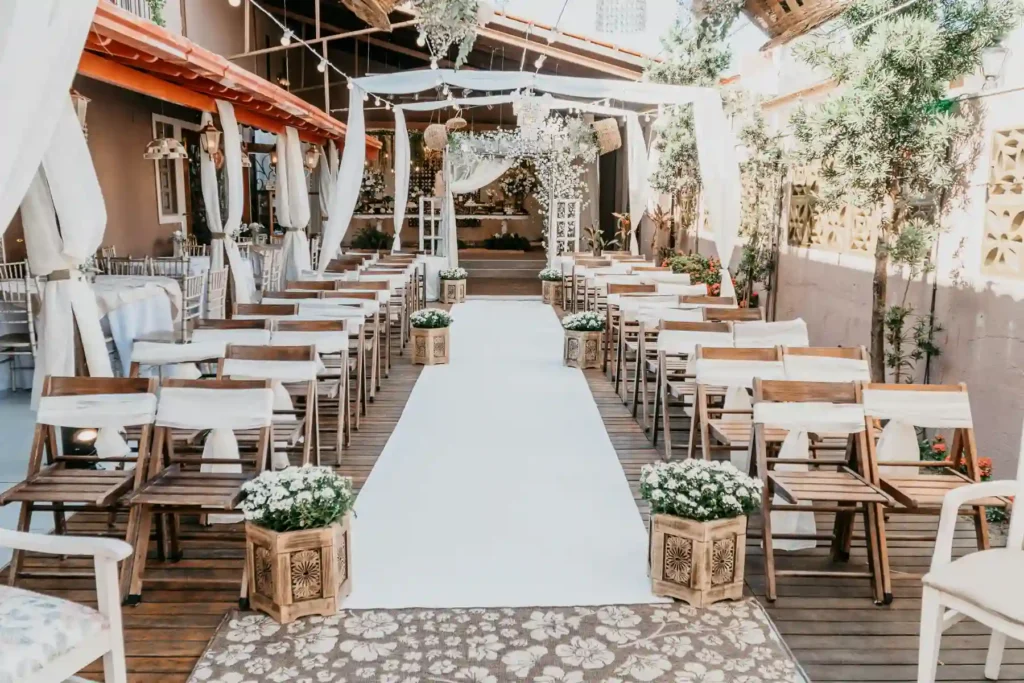
The wedding industry is built on repeatability. Vendors, venues, and planners have systems that work — and those systems get repeated tens of thousands of times a year across every city in every country. The white floral arch, the champagne tower, the DJ playing the same first dance songs — none of these things are bad. They are just optimized for the average couple, not for you specifically.
Breaking out of that machine requires one thing more than creativity: it requires permission. Permission to say we are not doing that without guilt or apology.
Consider this your permission slip.
Rethink the Venue Entirely
The single biggest lever you can pull on a wedding’s personality is location. Change the venue and almost everything else changes with it.
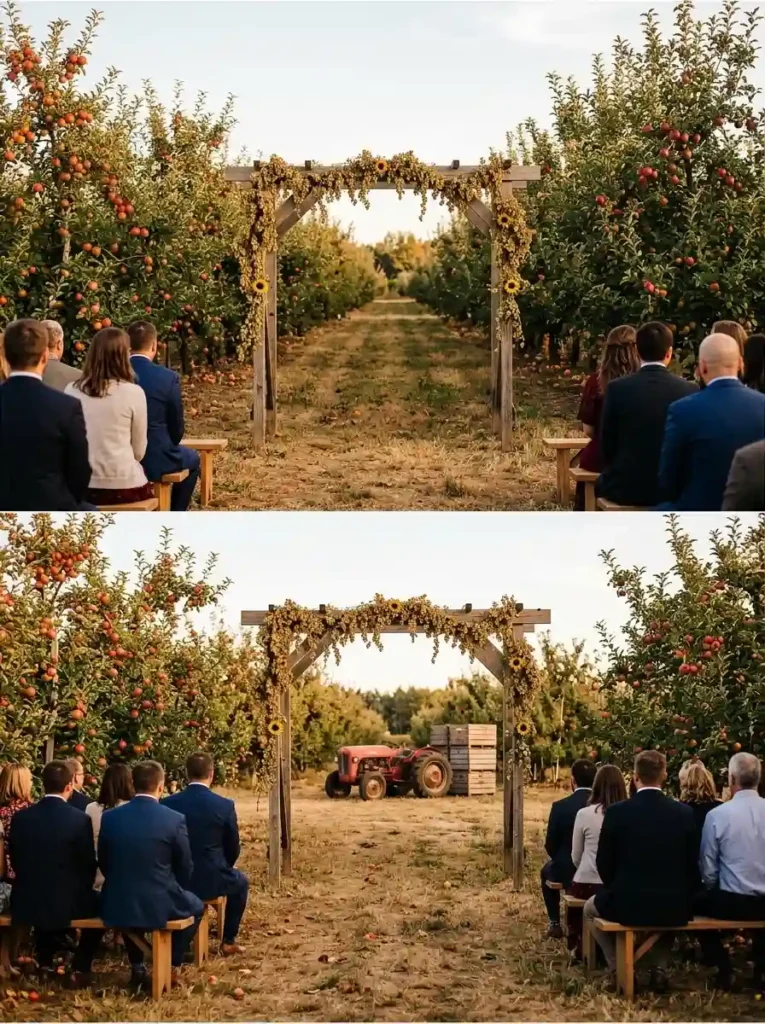
A working farm or orchard. Not a barn venue that used to be a farm — an actual working farm where the season and the land are part of the day. Apple orchards in autumn, lavender fields in summer, citrus groves in late winter. The landscape does the decorating for you.
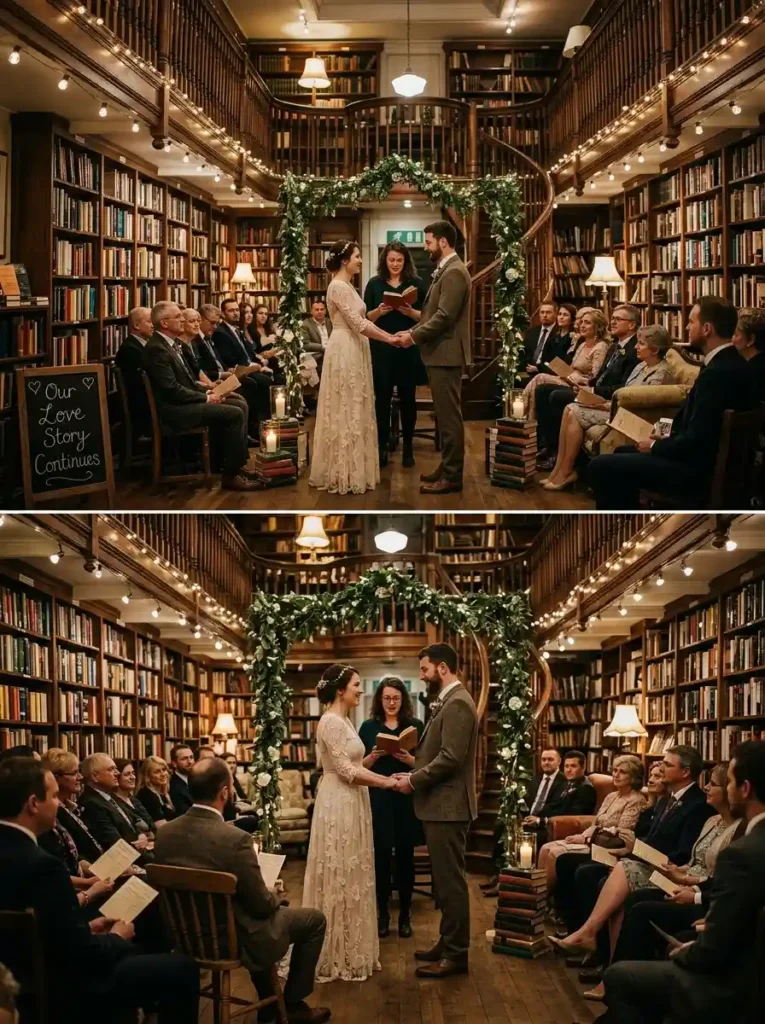
A bookshop or library after hours. Independent bookstores and public libraries occasionally rent their spaces for private events. The existing atmosphere — the smell of paper, the shelves, the reading light — is something no decorator can manufacture.
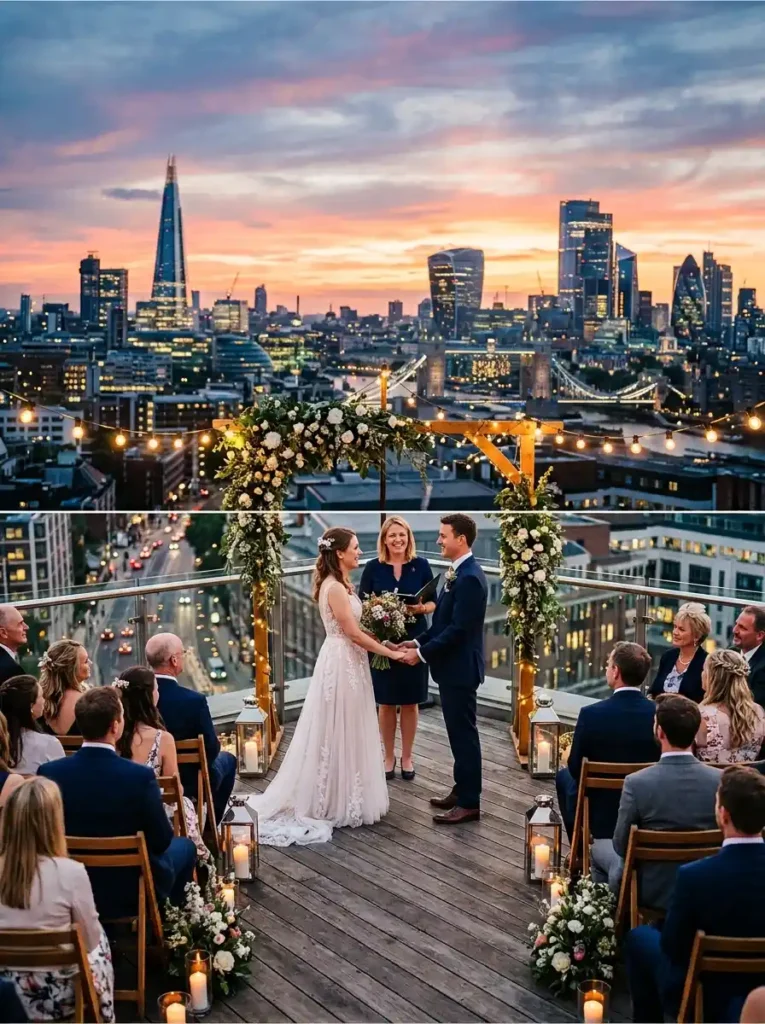
A rooftop. Urban rooftop ceremonies have a completely different energy from any ground-level venue. Skyline behind the couple, open air above, the city humming below. Works particularly well for sunset ceremonies.
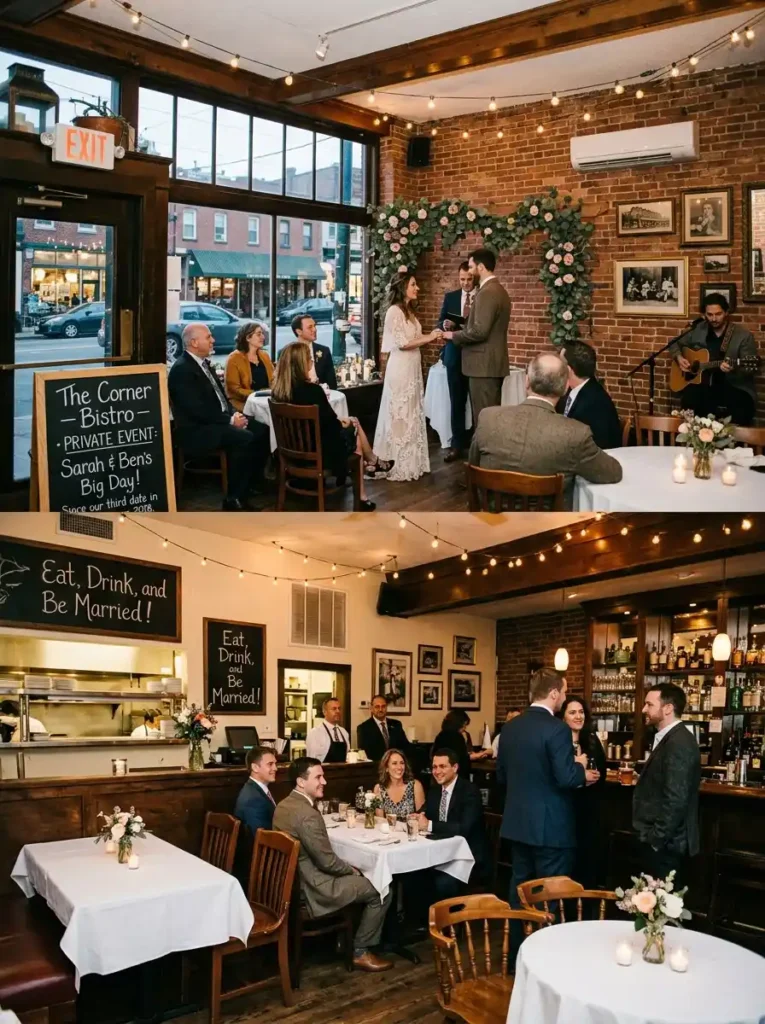
A restaurant you both love. Not a private dining room inside a hotel — the actual restaurant where you had your third date, or your favorite neighborhood spot. Buyout a beloved restaurant for an evening and your guests are immediately in a place that means something to you.
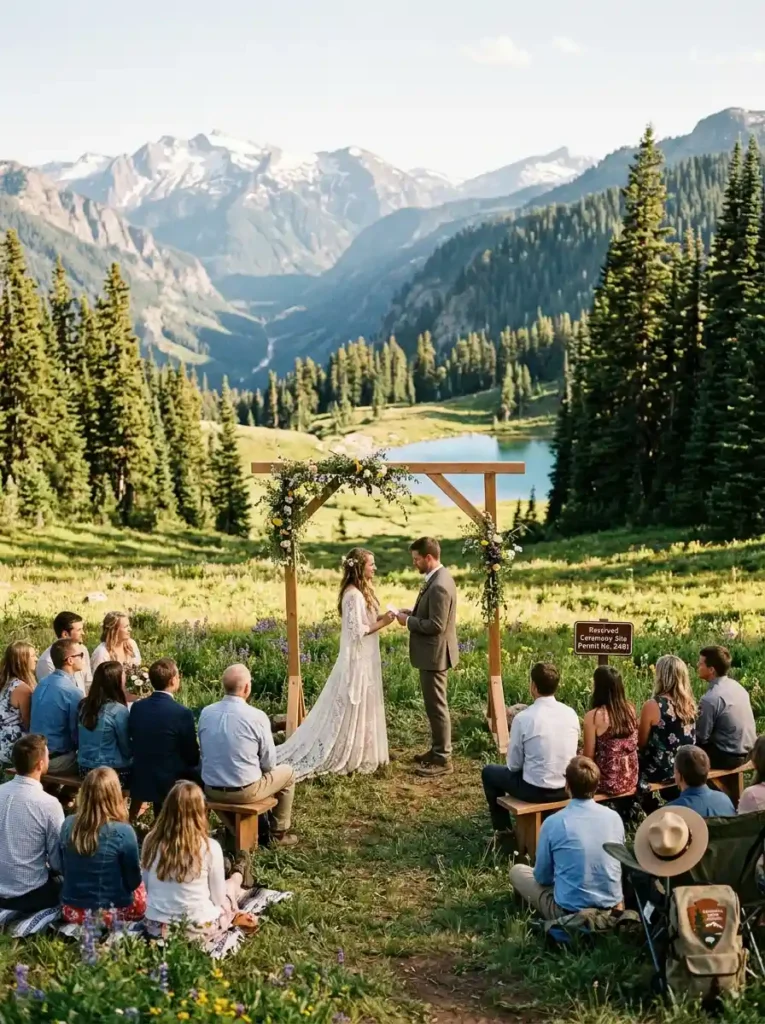
A state or national park. Permit requirements exist, but they are navigable. The payoff is a ceremony backdrop that no budget could replicate artificially. Mountain meadow, canyon rim, old-growth forest, lakeside clearing.
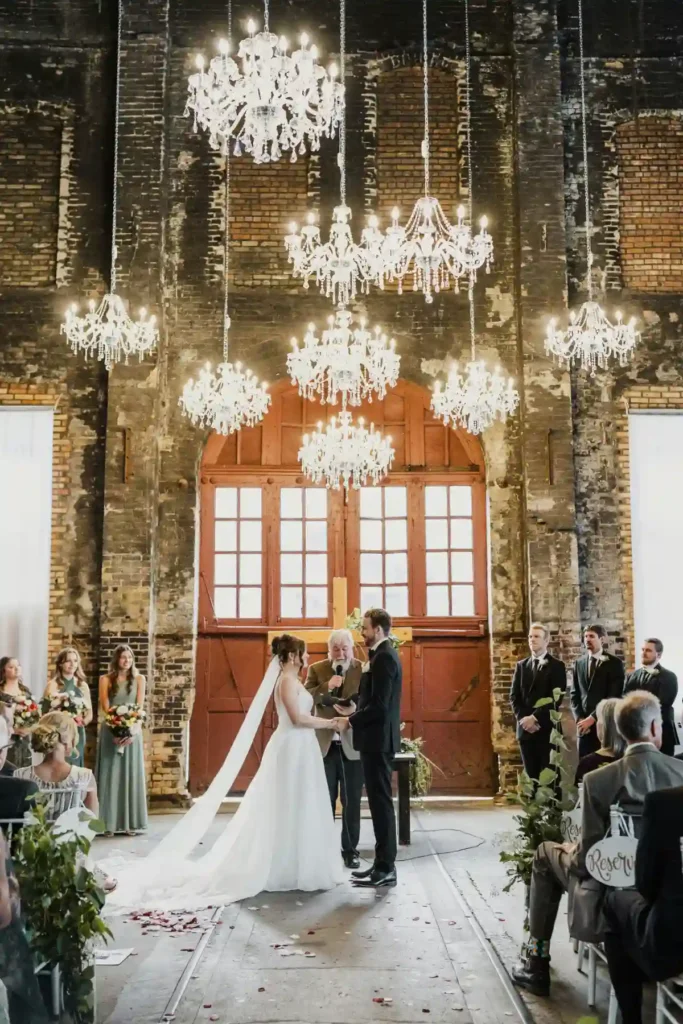
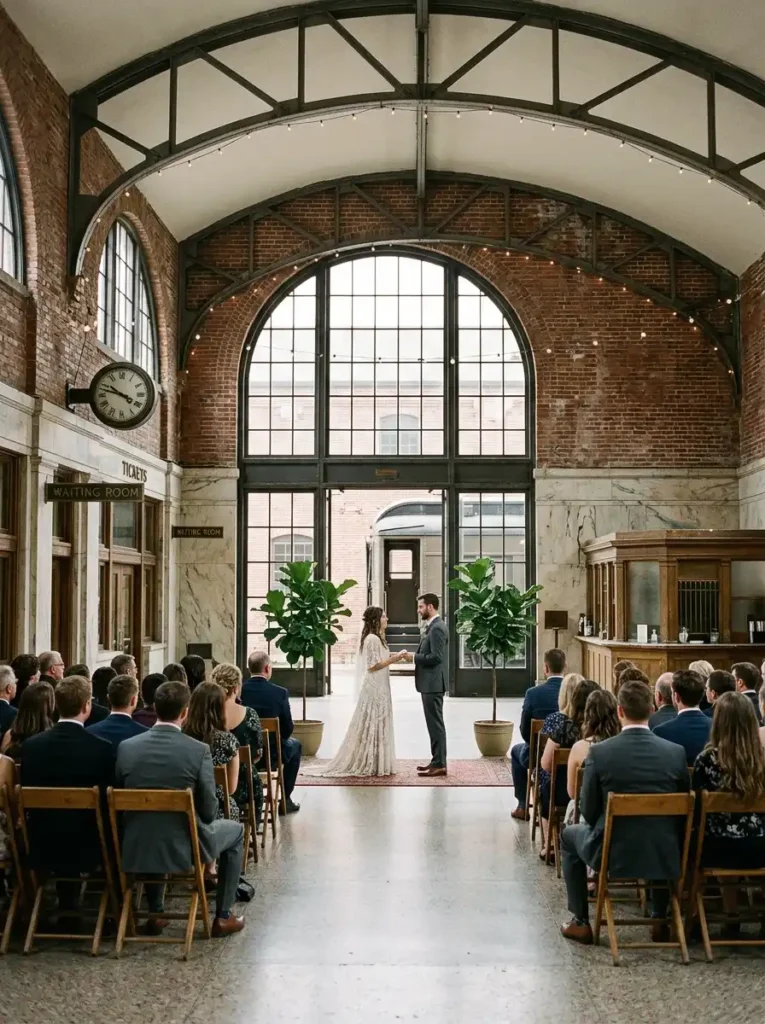
A historic building with a story. Train stations, post offices, old theaters, converted warehouses, former schoolhouses. These spaces have character baked into their walls. The architecture becomes part of the wedding narrative without spending a dollar on decoration.
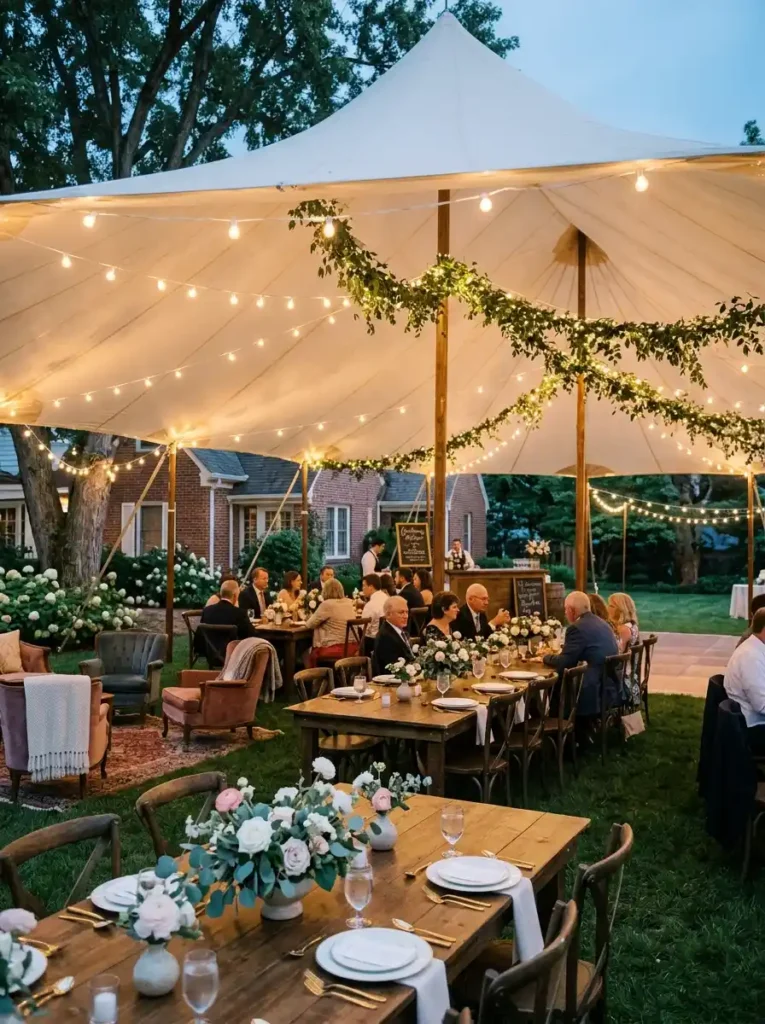
Your own backyard — but done properly. Not a compromise, but a deliberate choice. A tent, good lighting, a well-designed layout, and the meaning of the actual place where you built your life together creates something no rented venue can replicate.
Blow Up the Traditional Timeline
Most weddings follow the same four-beat rhythm: ceremony, cocktail hour, dinner, dancing. That structure exists for logistical reasons, not because it produces the best possible experience for guests.
Here are timelines that real couples have used to create something genuinely different:
The Reverse Reception
Start with dancing. Guests arrive to a full dance floor, open bar, and appetizers. Energy is immediate, no one has sat still for three hours yet. After an hour of dancing, move to dinner. Then the ceremony — yes, the ceremony — happens after dinner, while guests are warm, relaxed, and emotionally ready. The recessional flows directly into a final hour of dancing. Unconventional entirely, and guests talk about it for years.
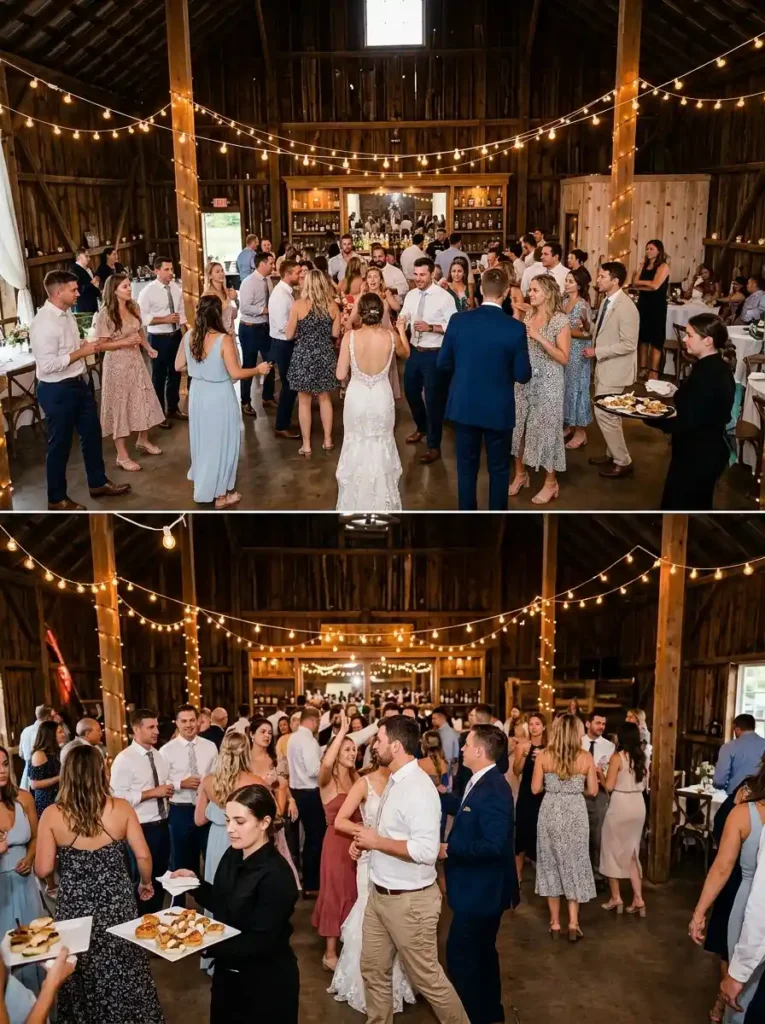
The Progressive Dinner Wedding
Rather than everyone staying in one location all night, the wedding moves through multiple spaces — cocktails in a garden, ceremony in a chapel, dinner at a restaurant, dancing somewhere else entirely. Guests travel together as a group. Each new location resets the energy. Works beautifully in walkable neighborhoods or with a fleet of vintage buses or trolleys.
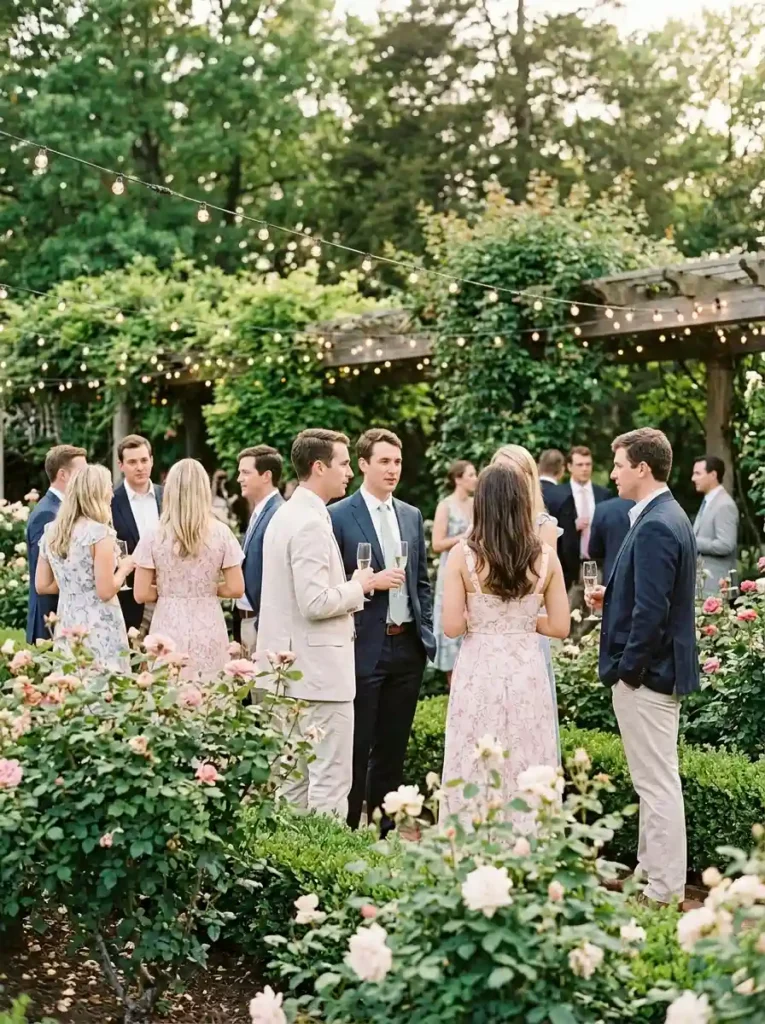
The Morning Wedding
A 10 AM ceremony followed by a brunch reception ending by 2 PM. This works especially well for intimate guest counts. The food is brunch-centered, the light is beautiful, the alcohol flows but does not dominate, and guests have their evenings free. It feels completely different from any evening wedding and costs less per head for catering.
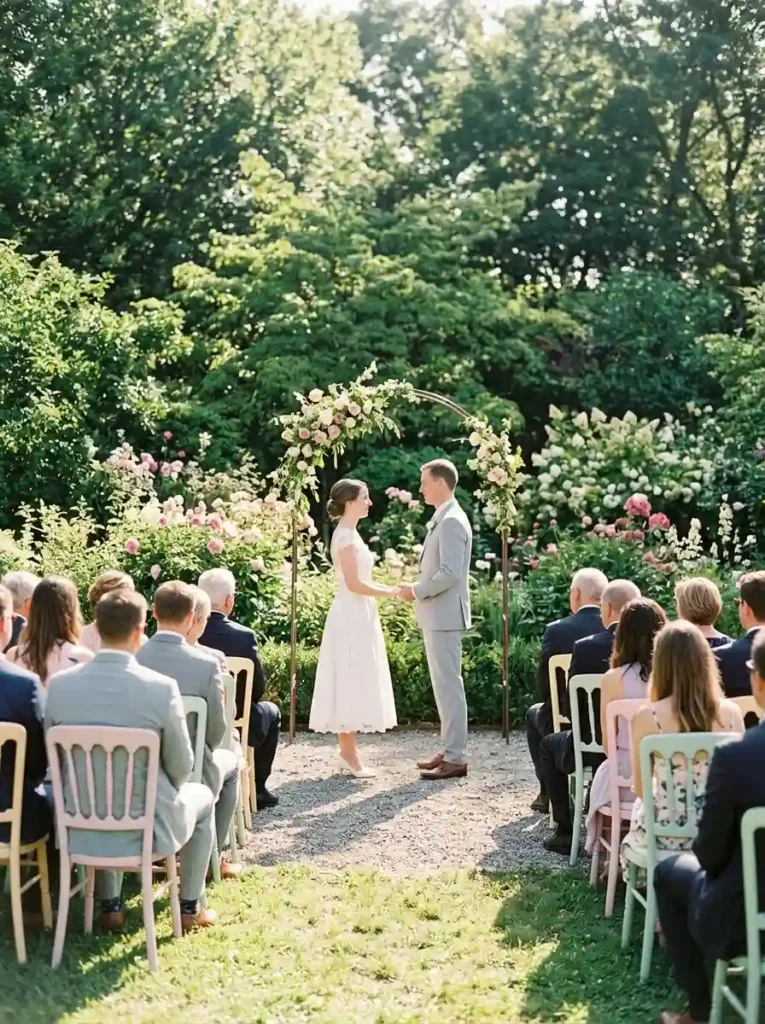
The Weekend Wedding
Rather than one big event, the entire weekend becomes the wedding. Welcome dinner on Friday, ceremony and reception on Saturday, farewell brunch on Sunday. Guests who travel far feel properly welcomed rather than rushed in and out. The couple gets more actual time with each person they love rather than a 45-second conversation with each guest during a receiving line.
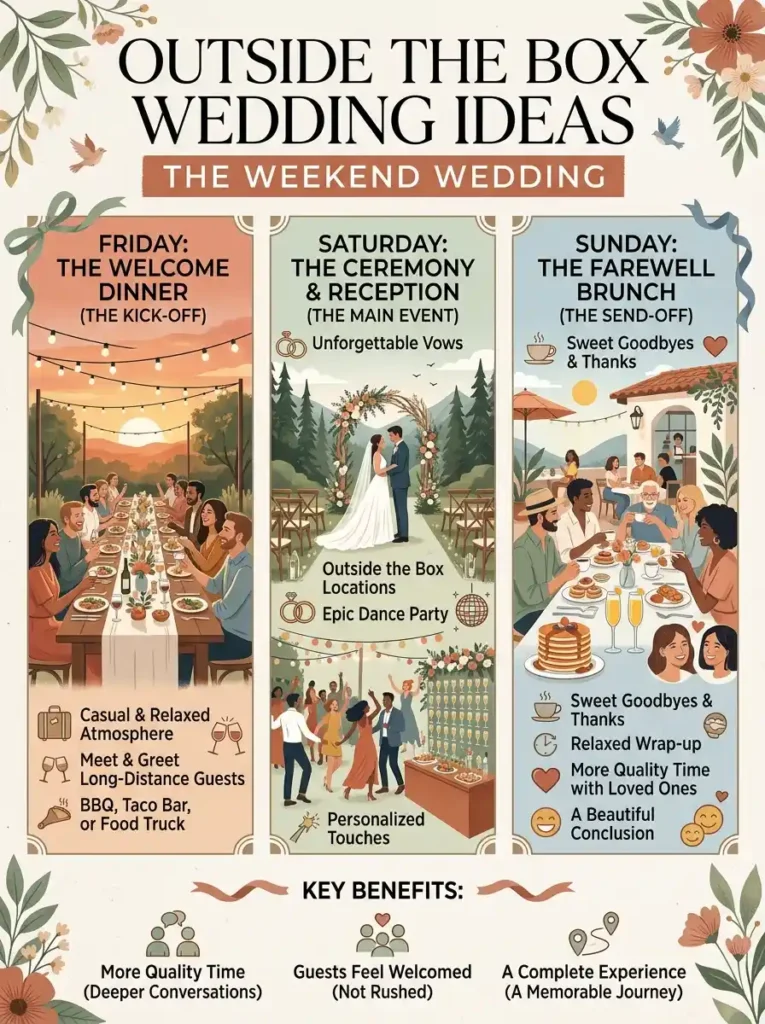
Reconsider What You Serve
Food is one of the most powerful levers for making a wedding feel genuinely personal, and it is one of the areas where couples follow convention most blindly.
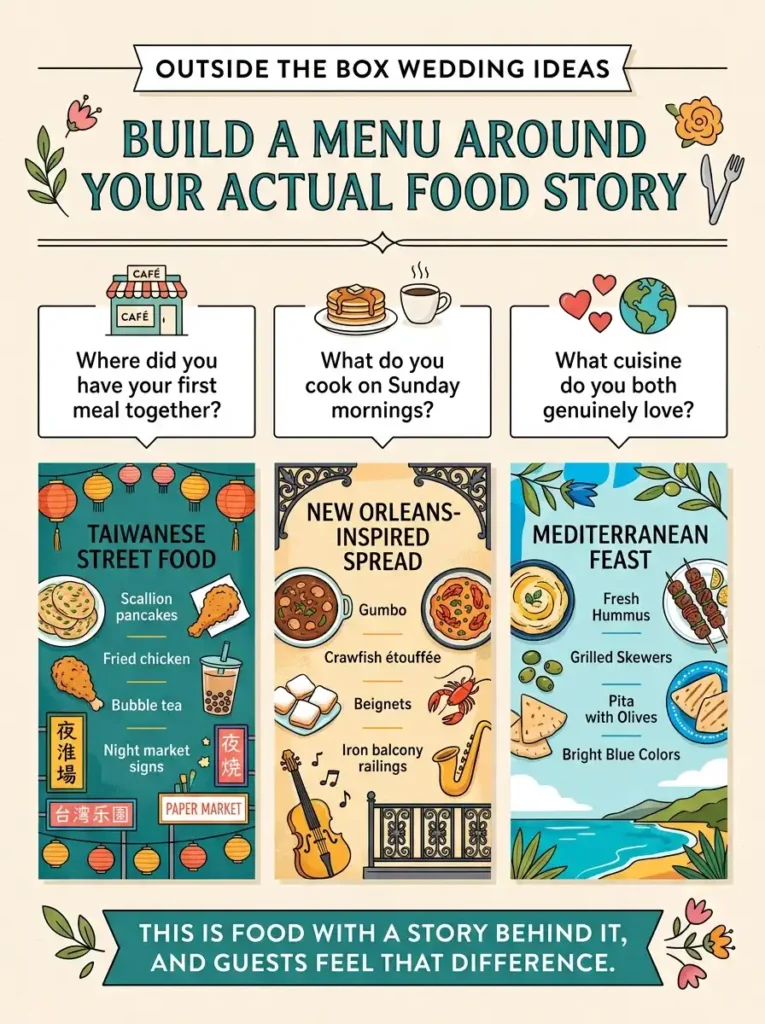
Build a menu around your actual food story. Where did you have your first meal together? What do you cook on Sunday mornings? What cuisine do you both genuinely love? A wedding menu built around Taiwanese street food, or a New Orleans-inspired spread, or a Mediterranean feast that reflects your heritage — this is food with a story behind it, and guests feel that difference.
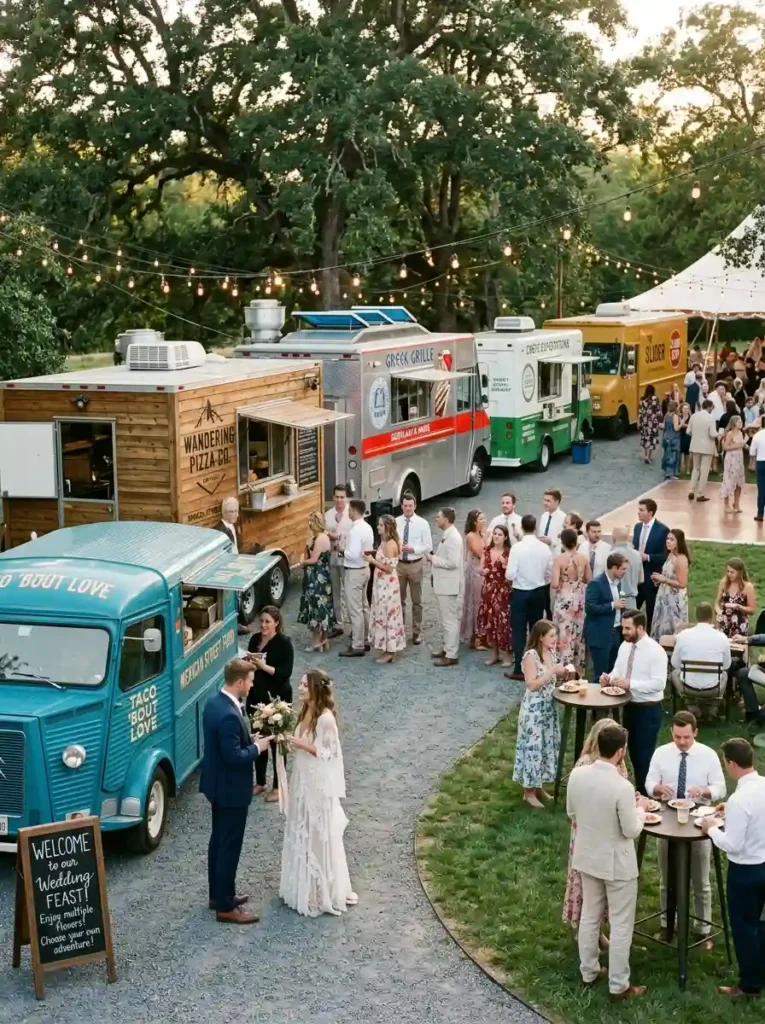
Hire a food truck or multiple food trucks. A fleet of food trucks parked outside an outdoor venue creates a festival atmosphere that no plated dinner can match. Guests choose what they actually want. Lines become conversations. The visual of a food truck at a wedding is memorable in the best possible way.
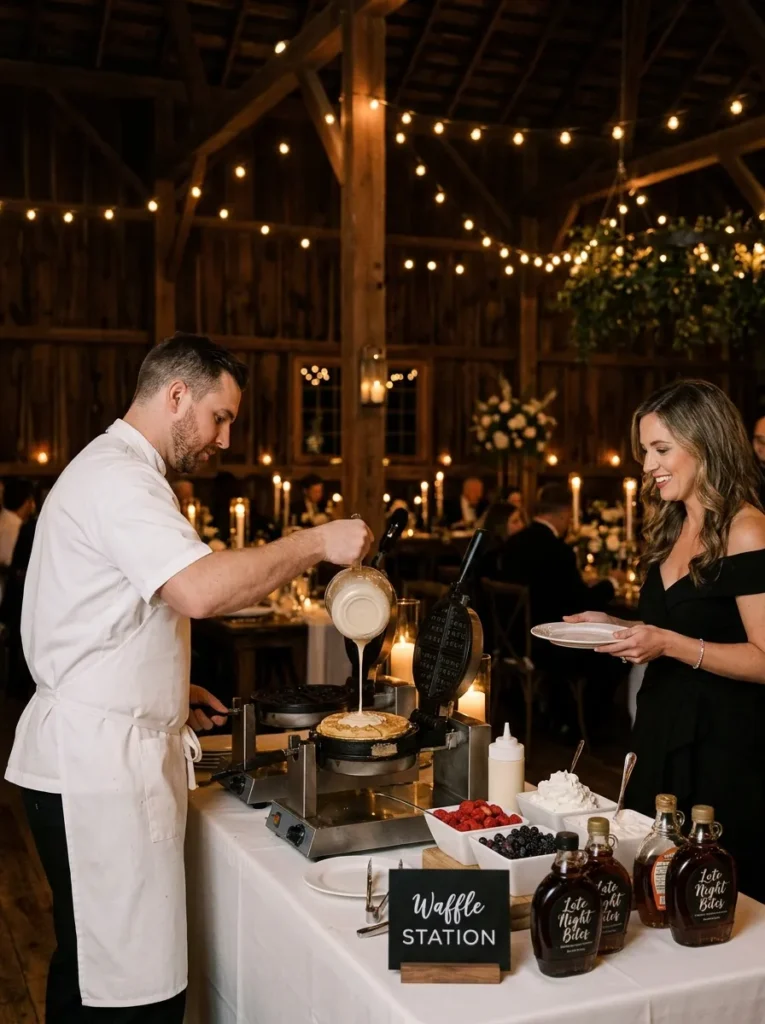
Serve breakfast food at an evening wedding. Waffle stations, eggs made to order, pancakes, biscuits and gravy, fresh-squeezed juice — breakfast food at an evening reception is so unexpected that guests genuinely delight in it. It works particularly well for couples who met over breakfast, or who just love breakfast, or who simply want to do something nobody has seen before.
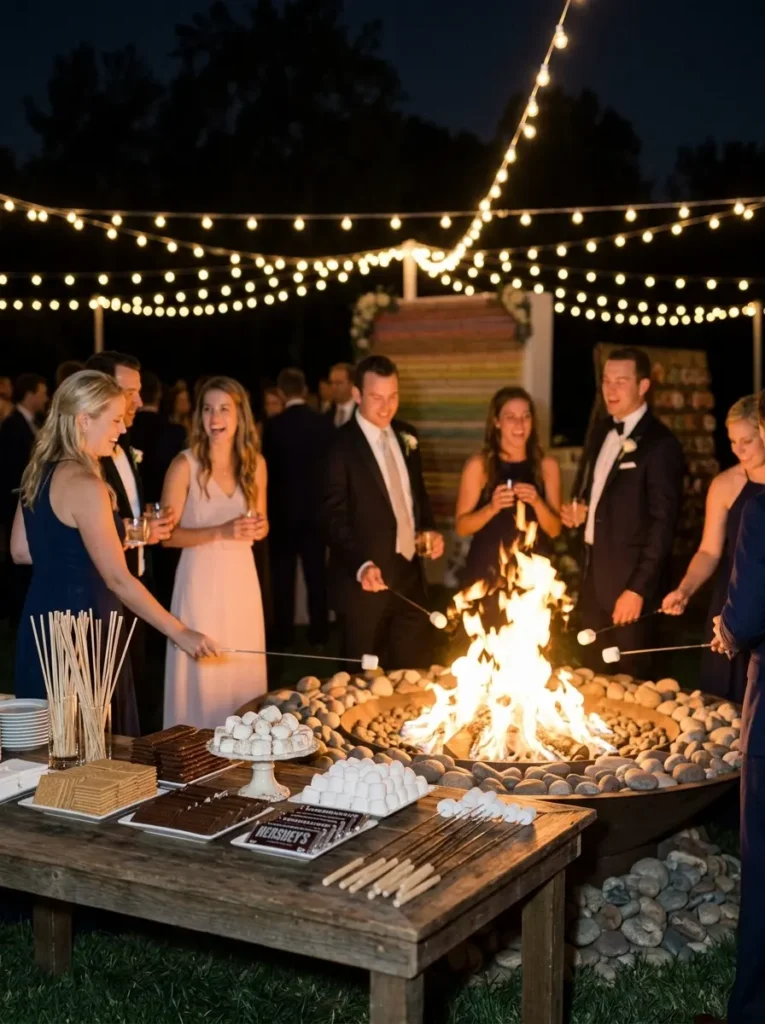
Replace the wedding cake with something else entirely. A tower of cronuts. A macaron wall. A cheese wheel cake. A pie bar with eight different varieties. A donut wall. An ice cream cart. A s’mores station with a fire. None of these are less meaningful than a tiered fondant cake — and several of them are more immediately enjoyable.
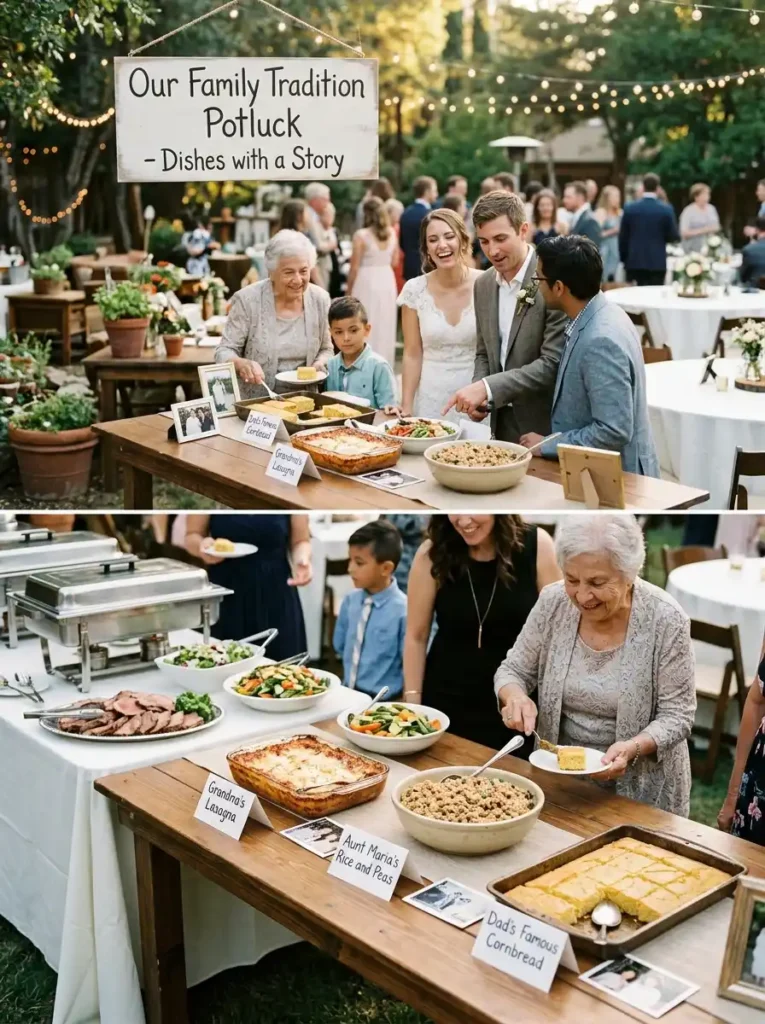
Do a family recipe potluck element. Ask a set of family members to each bring one dish that has meaning in your family’s history, alongside the catered food. These dishes become conversation pieces that no caterer could provide. Grandma’s lasagna next to Aunt Maria’s rice and peas next to Dad’s famous cornbread.
Approach Entertainment Like a Curator, Not a Consumer
Most wedding entertainment decisions happen by default: hire a DJ, maybe a band if the budget allows, do the bouquet toss and the parent dances. There is nothing wrong with any of this. There is also nothing particularly memorable about it.
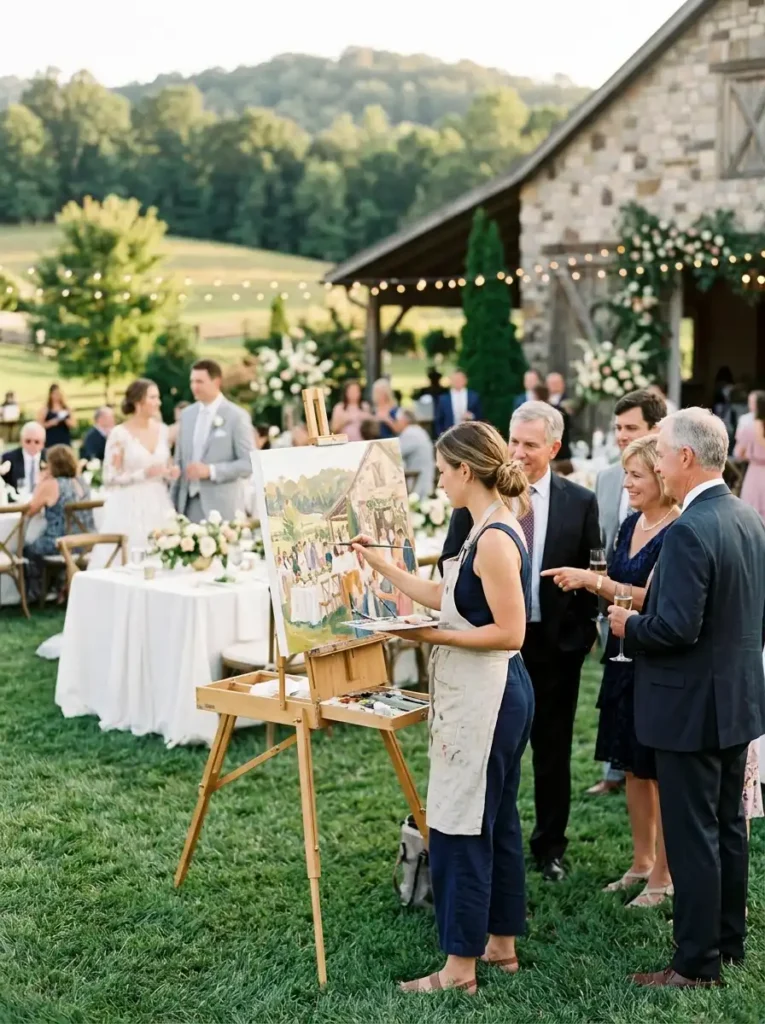
A live painter. An artist who paints the ceremony or reception in real time produces an original artwork that becomes a family heirloom. Guests gather to watch the painting develop throughout the evening. The finished piece often surprises even the couple.
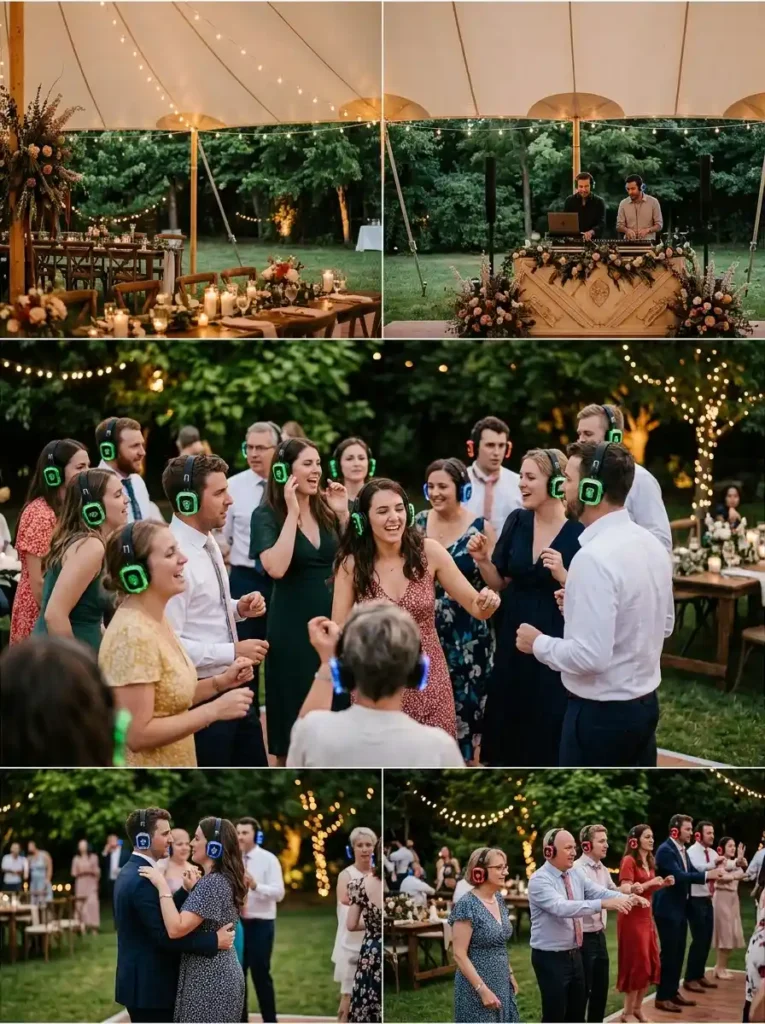
A silent disco. Guests wear wireless headphones and choose between two or three DJ channels — different music genres simultaneously. Half the room is dancing to one song, half to another, and the visual of everyone dancing to music only they can hear is inexplicably joyful to watch.
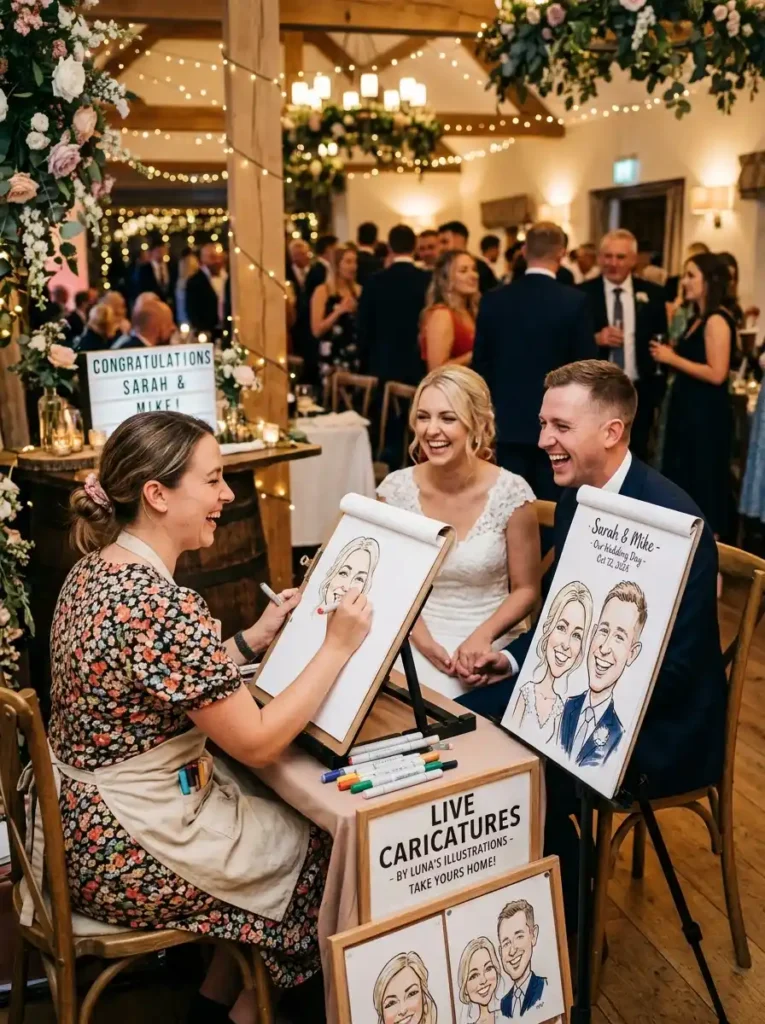
A caricature artist or portrait illustrator. Rather than a standard photo booth, a caricature artist or portrait illustrator draws guests throughout the reception. The resulting drawings are immediate, personal, and go home with guests as something they will actually keep.
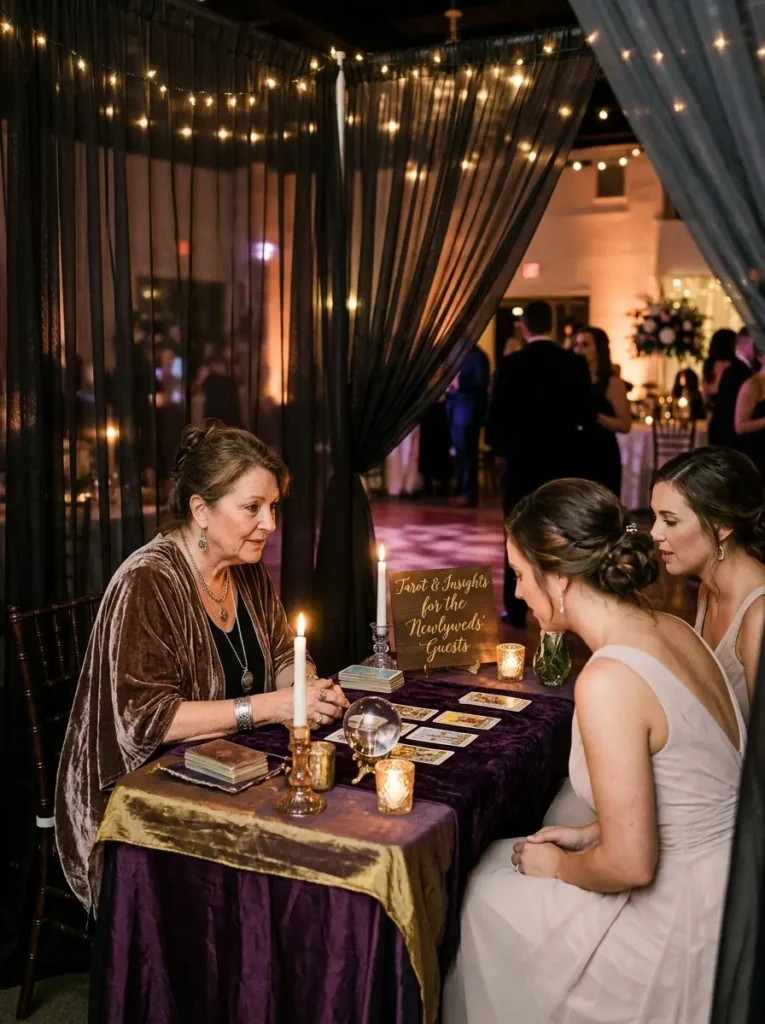
A fortune teller or tarot reader. A professional tarot reader or palm reader stationed at a private corner of the reception gives guests an intimate 10-minute experience throughout the evening. Works beautifully for couples who love the mystical or the theatrical.
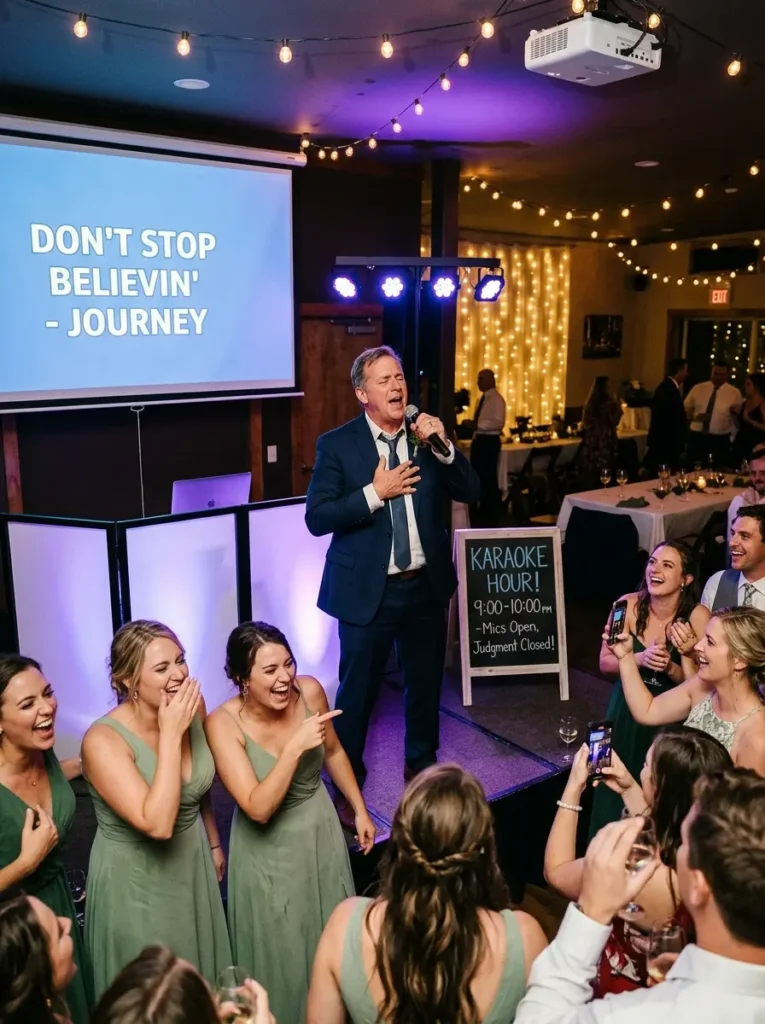
A karaoke hour. Not the entire evening — just one intentional hour during the reception. The chaos, the vulnerability, the laughter when someone absolutely commits to a song they cannot sing — this creates memories that a perfect DJ set cannot.
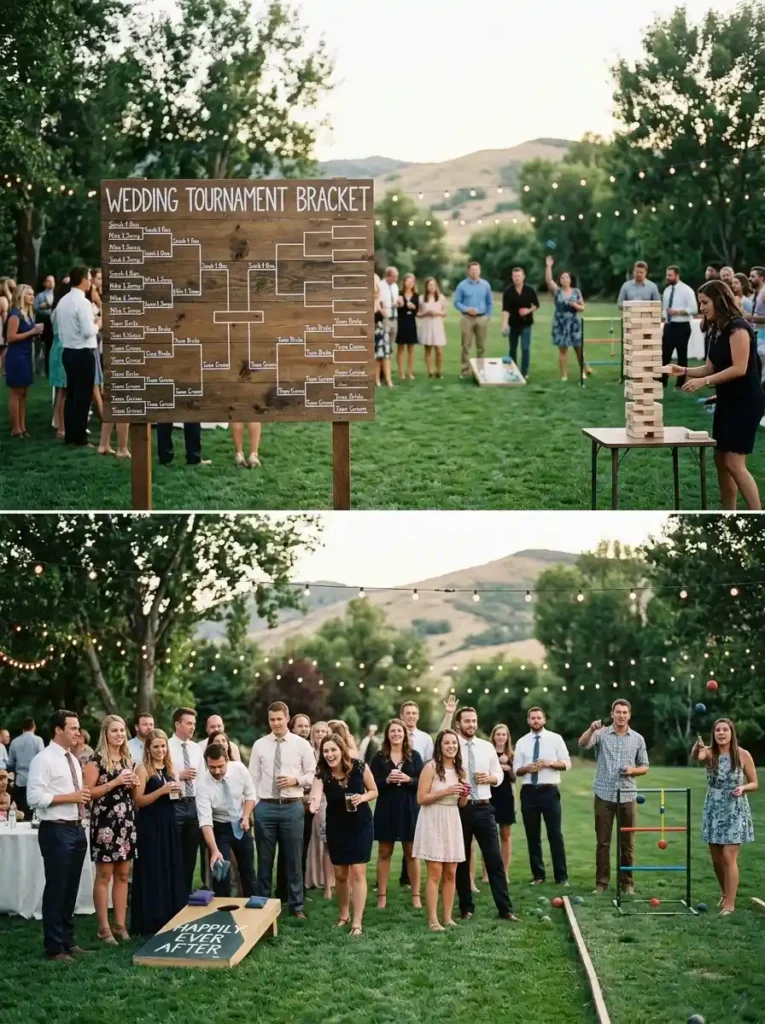
A lawn game tournament with brackets. Cornhole, bocce, giant Jenga, ladder toss — organized into a proper tournament bracket posted on a sign at the entrance. Guests know their matchups and play throughout the reception. The final round happens after dinner with everyone watching. Competitive, communal, and enormously fun.
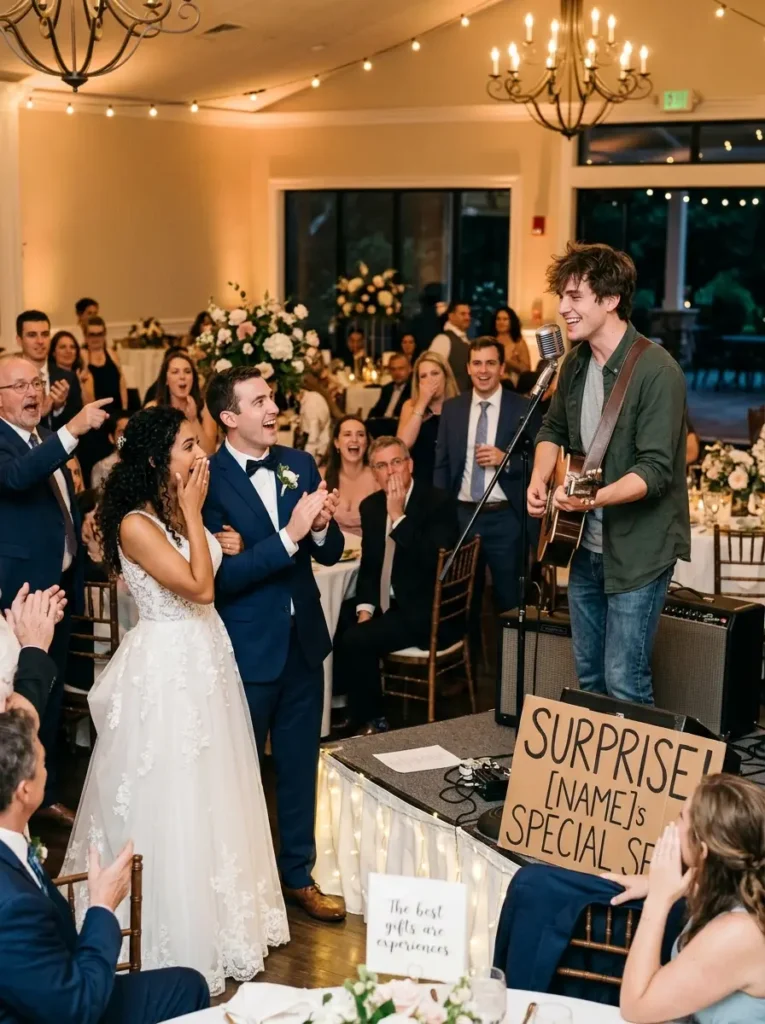
A surprise performance. A musician, comedian, or performer — ideally someone connected to the couple — doing a 15 to 20 minute surprise set during cocktail hour or after dinner. The element of surprise is itself the gift.
Make the Ceremony Actually Feel Like You
Wedding ceremonies are the most rigidly templated element of the entire day. Most follow an almost identical script regardless of the couple, the officiant, or the location.
Write your own ceremony from scratch. Not just writing your own vows — structuring the entire ceremony, choosing what is included and what is not, deciding the order, writing the transitions. A ceremony written by the couple for the couple feels completely different from a standard ceremony template.
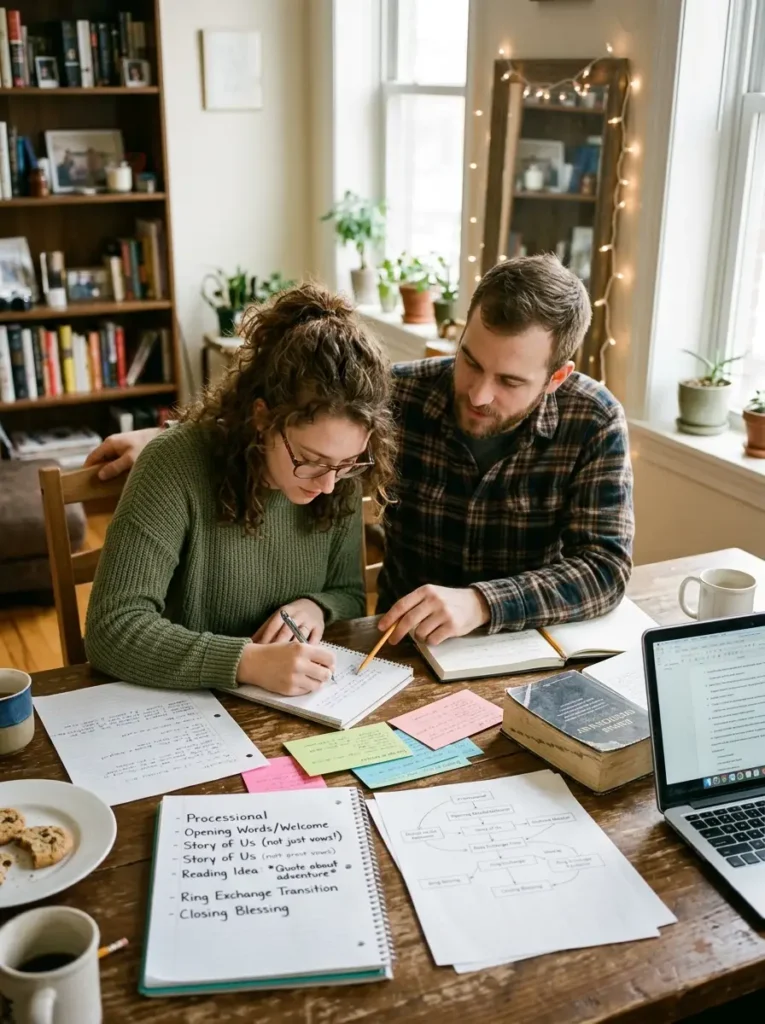
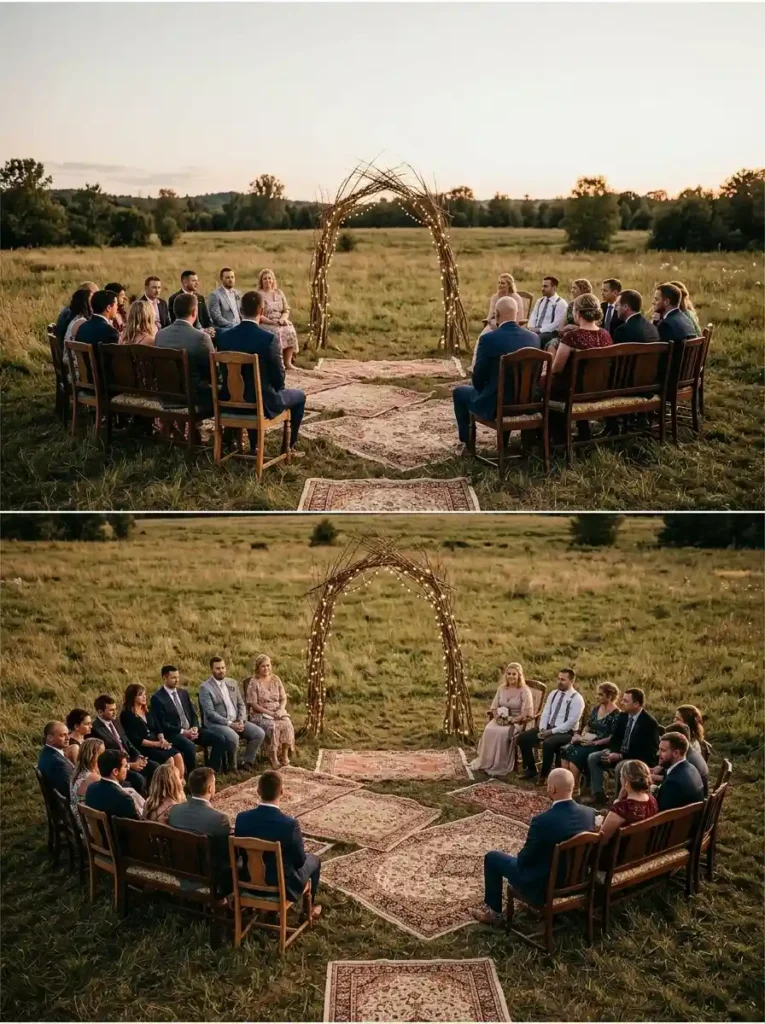
Ask multiple people to speak. Rather than one officiant doing everything, distribute the ceremony. A parent reads a poem. A best friend tells a short story about the couple. A sibling sings one verse of a song. The officiant connects the pieces. The ceremony becomes a genuinely communal act rather than a performance with an audience.
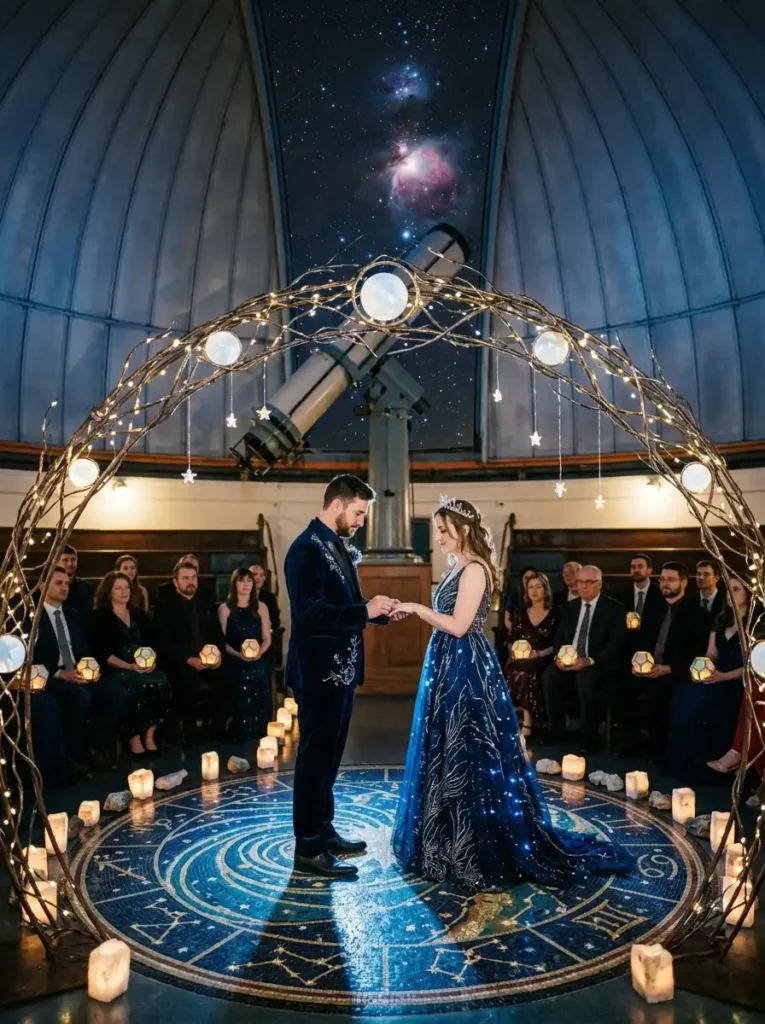
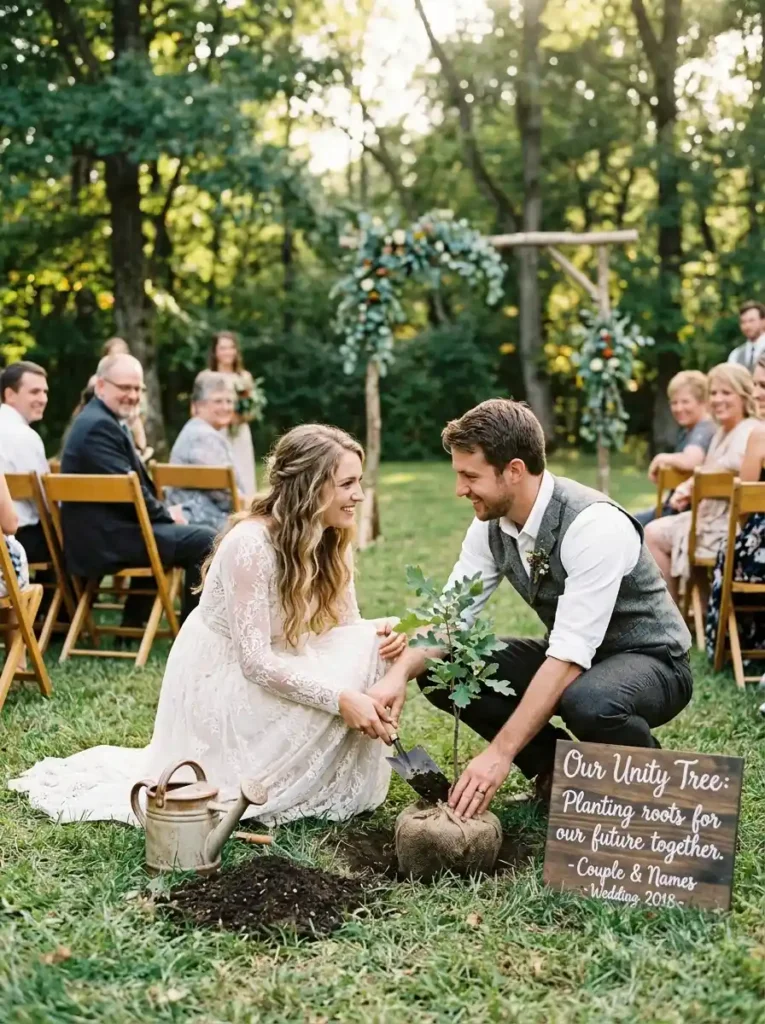
Do a unity ritual that means something to you specifically. Not a unity candle or a sand ceremony because those are the options — but something that reflects your actual life together. Plant a tree you will tend together. Cook something at the altar. Build something. Mix your dogs’ treats. Write a letter to open in ten years and seal it in a box. The more specific the ritual is to who you are, the more powerful it becomes.
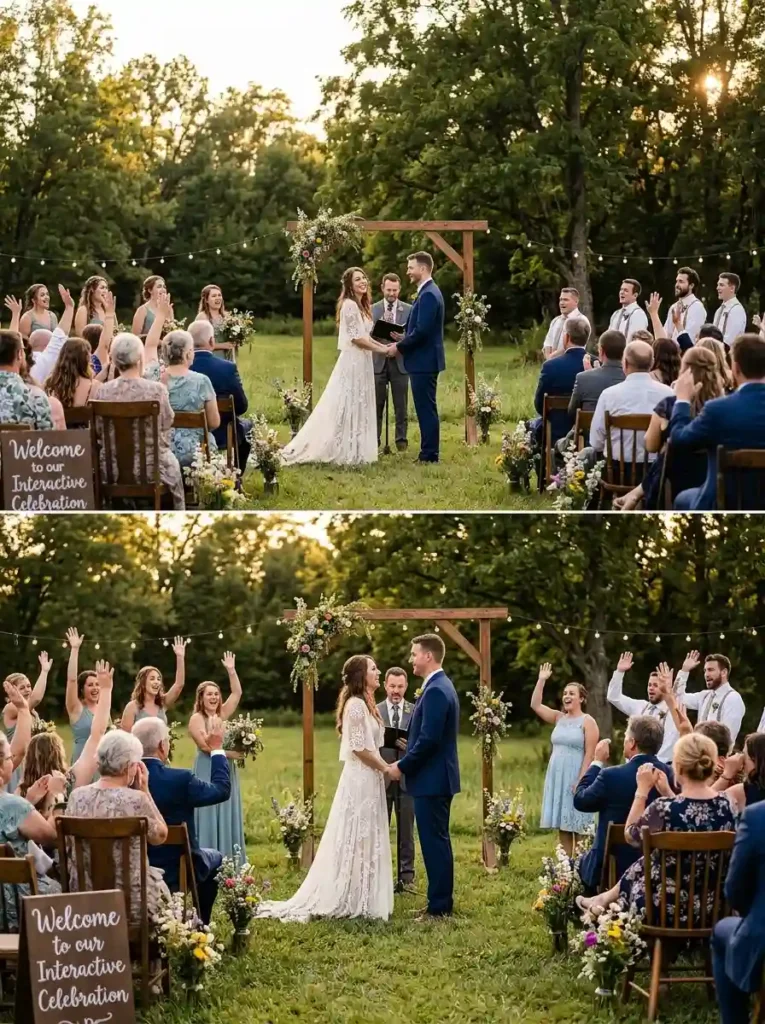
Have an interactive guest moment. Ask the guests to make a vow to support your marriage — a collective response, a moment of participation that shifts them from observers to participants. Even a simple “we do” from the crowd changes the energy of the room.
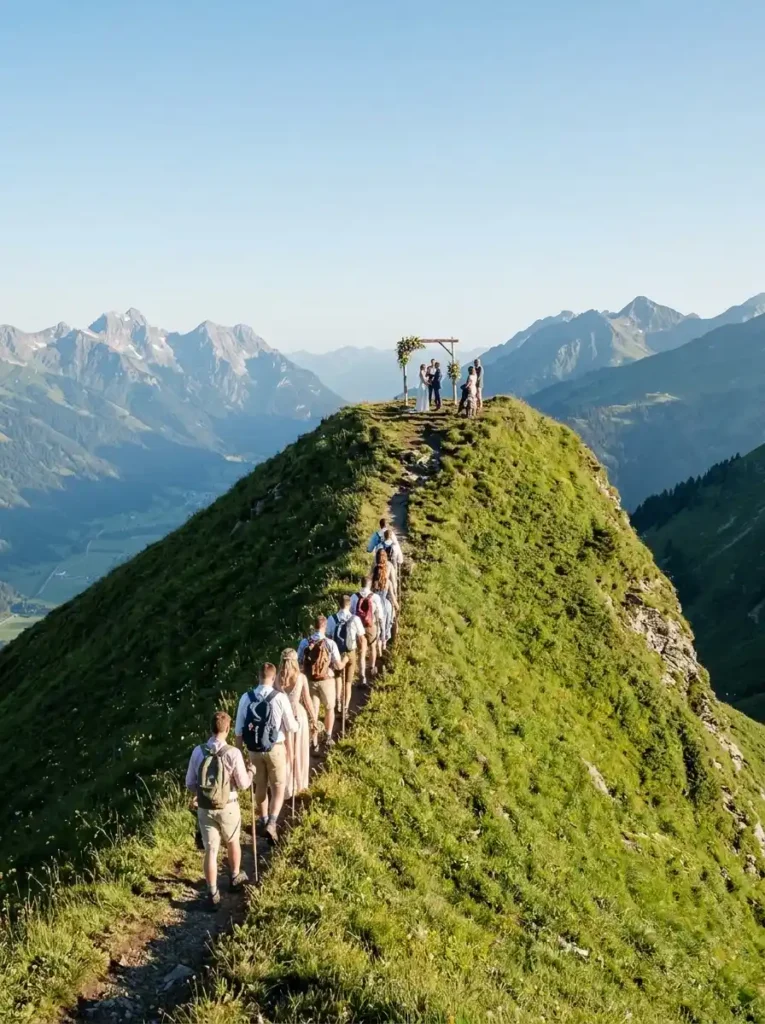
Get married somewhere that requires a journey. A mountaintop ceremony, a boat ceremony at sea, a ceremony at the end of a hiking trail. The shared experience of getting there together creates a bond between guests before the ceremony even begins.
Rethink Guest Gifts and Favors
Most wedding favors go home in the bag and never leave the bag again. Here are approaches that actually mean something:
Make a donation in guests’ names. A small card at each place setting explains that a donation has been made to a cause meaningful to the couple. No physical waste, genuine impact, and guests feel good about attending.
Give something consumable and local. Honey from a local beekeeper, jam made from fruit grown near the venue, a small bottle of locally made hot sauce or olive oil. Something that connects the wedding to the specific place where it happened.
Create a recipe booklet. A small printed booklet of recipes that matter to the couple — the pasta they make every Sunday, the cocktail that became their signature drink, the cake one of their mothers always made at Christmas. This costs very little to produce and guests actually read it.
Plant a tree for each guest. Services exist that plant a tree in a forest in need of restoration for each guest in attendance. A small card explains what was planted where and why. Elegant, meaningful, zero clutter.
Give an experience rather than an object. A scratch card at each place setting that reveals a small gift — a coffee shop credit, a movie night bundle, a book — gives guests something to look forward to rather than something to carry home.
The Details That Quietly Change Everything
Sometimes the most impactful outside-the-box ideas are not grand gestures but small decisions that accumulate into something genuinely different.
A lounge area instead of (or alongside) traditional seating. Sofas, rugs, throw pillows, low coffee tables — a lounge area at a reception creates a completely different social dynamic than rows of chairs at tables. Guests sit together in configurations that encourage real conversation.
Dress code that is actually specific. Instead of “black tie optional” or “cocktail attire,” give guests a genuinely specific direction: “wear your favorite color,” “come in something with a pattern,” “dress like it’s 1975,” “wear something with flowers.” Guests arrive already in a shared experience, and the visual of a room full of people who followed a specific instruction is unlike anything a standard dress code produces.
A curated playlist instead of a DJ for parts of the night. A playlist built over months from songs that mean something to the couple — with a note in the program explaining why certain songs are included — creates an intimacy that even the best DJ cannot manufacture.
Handwritten notes at each place setting. A short personal note written by the couple to each guest at their specific seat. Logistically demanding, yes. But reading a handwritten note with your name on it, at your place at the table, from two people who wanted specifically you in the room — there is nothing quite like it.
A guest book that is not a book. A globe guests sign with a marker. A puzzle they sign that the couple will assemble later. A vinyl record they write on. A picture frame mat that becomes the frame for a wedding photo. A recipe card that becomes part of a recipe box. The guest book format shapes what people write and how they engage with the moment.
The One Thing All of These Ideas Have in Common
Every idea on this list — from the rooftop ceremony to the breakfast reception to the karaoke hour to the handwritten place cards — shares one underlying quality.
It is a decision that could only have been made by the specific two people getting married.
That is the real definition of outside the box for a wedding. Not unusual for the sake of unusual. Not different to impress guests or generate content. Different because it is true to who you are, what you value, how you live, and what you want the people you love to feel when they walk through the door.
The most memorable weddings are not the most elaborate. They are the most honest.
Start there, and the outside-the-box ideas will find you.