Stop overpaying for your wedding. These 15 genuinely powerful strategies will cut your wedding costs dramatically — without sacrificing the beauty, the joy, or the memories that last a lifetime.
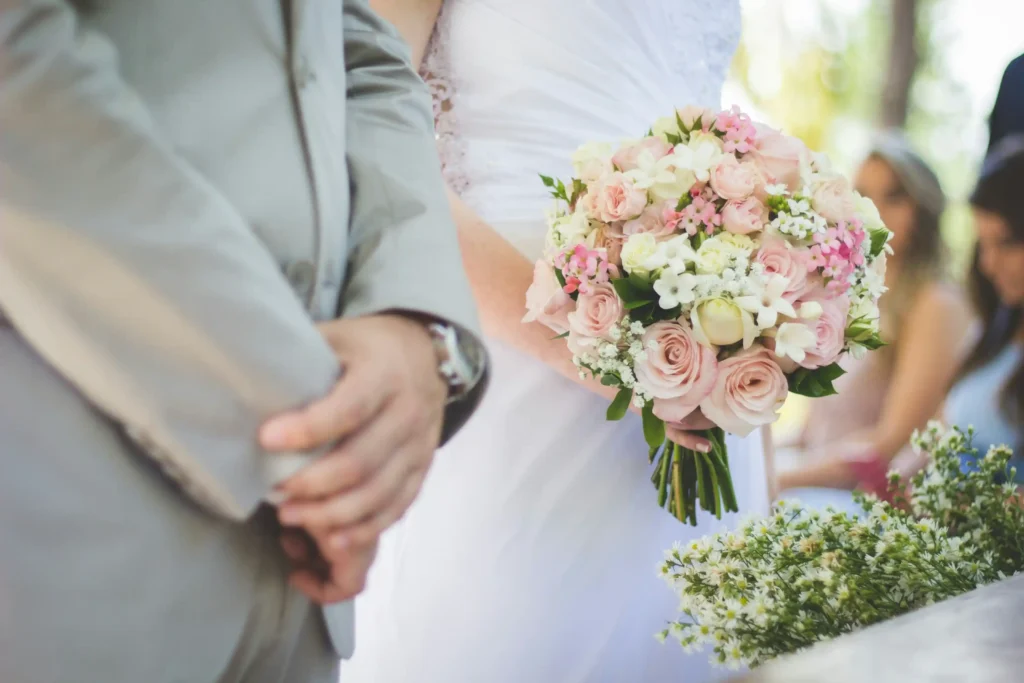
The wedding industry is extraordinarily good at what it does. It has convinced generations of couples that a smaller budget means a smaller celebration, that cutting costs means cutting quality, and that the love you feel for each other should be measured in centerpiece arrangements and per-head catering minimums.
None of this is true.
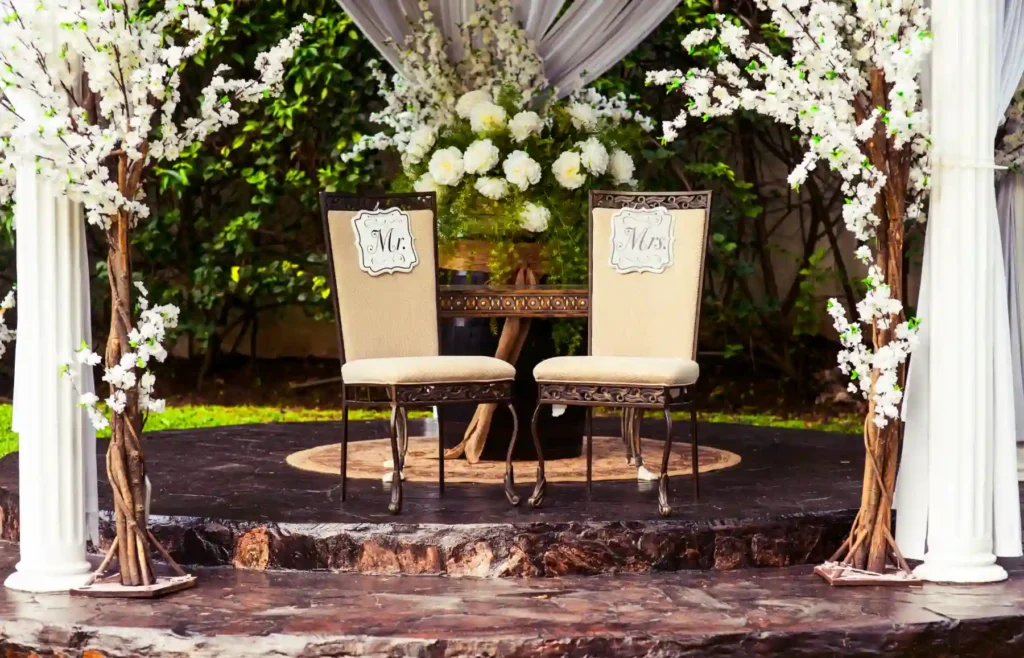
The truth — supported by every honest post-wedding survey ever conducted — is that the elements couples remember most deeply about their wedding day have almost nothing to do with money. They remember how they felt walking down the aisle. They remember the words of their vows. They remember dancing with their people until midnight. They remember the laughter and the tears and the specific quality of light at golden hour. None of these things are for sale.
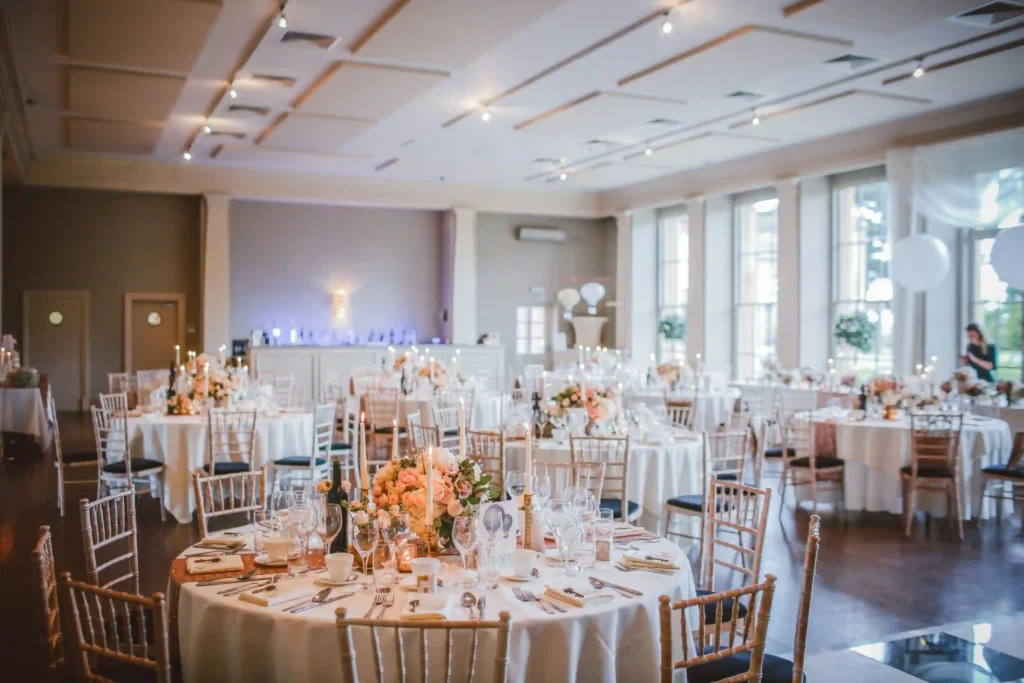
This guide gives you 15 genuinely powerful, genuinely proven strategies to cut your wedding budget in half — not by sacrificing the experience, but by making smarter decisions about where your money actually goes.
The Ground Rules: Before You Start Cutting
Know Your Total Budget First
Before cutting anything, establish exactly what you are working with. Sit down together, look honestly at your savings, consider any family contributions, and agree on a total number. Write it down. This is your ceiling — not a guideline, not an aspiration, a ceiling.
Know What Matters Most to Both of You
Before cutting anything, identify the two or three elements of your wedding that matter most. Perhaps it is the photography. Perhaps it is the food. Perhaps it is the music, or the dress, or the venue with the particular view. Whatever it is — protect those elements. Cut everything else first.
Cut Strategically, Not Randomly
Random cutting — shaving 10 percent off every category — is the least effective approach. Strategic cutting — identifying the categories where maximum savings are available with minimum impact on guest experience — produces dramatically better results.
Understand Where Wedding Money Actually Goes
The five biggest cost centers in most wedding budgets are:
- Venue hire
- Catering and bar
- Photography and videography
- Flowers and décor
- Music and entertainment
The greatest savings available are in categories 1, 4, and 5. Categories 2 and 3 are where cuts most directly affect the guest experience and the permanent record of your day — cut here last and least.
15 Ways to Cut Your Wedding Budget in Half
WAY 1: CHANGE THE DATE — SAVE $3,000 TO $8,000
This is the single most powerful budget decision available to any engaged couple, and it costs absolutely nothing to implement. The wedding industry prices entirely around demand — and demand is highest on Saturday evenings in peak season (May through October). Change either the day or the season, and you unlock dramatic savings across almost every vendor category simultaneously.
The Off-Peak Savings Breakdown:
Friday instead of Saturday:
- Venue: 20 to 30% cheaper
- Caterer: 10 to 20% cheaper
- Band or DJ: 15 to 25% cheaper
- Photographer: 10 to 20% cheaper
- Total saving on a $25,000 wedding: $3,000 to $6,000
Sunday instead of Saturday:
- Venue: 25 to 35% cheaper
- Most vendors: 15 to 25% cheaper
- Total saving: $3,500 to $7,000
November through March instead of May through October:
- Venue: 20 to 40% cheaper
- Florist: 10 to 20% cheaper (seasonal flowers cost less)
- Overall vendor availability improved — more flexibility on negotiation
- Total saving: $3,000 to $8,000
Midweek (Monday through Thursday):
- Venue: 40 to 60% cheaper
- Most vendors: 30 to 50% cheaper
- Total saving: $6,000 to $12,000+
The Sunday Wedding Case
Sunday weddings deserve specific attention. They are increasingly popular — guests often prefer the novelty. The relaxed-toward-end-of-weekend atmosphere creates a slightly more casual, warm energy. And vendors price Sunday almost identically to Friday rather than Saturday peak pricing. A Sunday wedding at a venue you love may cost $4,000 less than the identical Saturday booking.
Action Step: Before finalizing any venue, ask explicitly: “What is your pricing for Friday, Sunday, and January through March?” The answers will reframe your entire budget conversation.
For couples exploring every possible way to reduce their total wedding spend, this comprehensive guide to saving money on your wedding covers every category with specific, actionable strategies beyond the date decision alone.
WAY 2: SHORTEN YOUR GUEST LIST — SAVE $4,000 TO $12,000
Here is the most direct mathematical fact in all of wedding budgeting: every additional guest costs money across every single category of your wedding. Not just catering — every guest adds to venue capacity requirements, invitation and stationery costs, favor costs, seating arrangements, and the sheer logistical complexity of the day.
The True Cost of an Additional Guest
On a wedding with a $100 per head catering cost, each additional guest costs $100 in catering. But the actual true cost of each additional guest — when you factor in their share of the venue, their invitation, their favor, their place setting, their contribution to bar consumption — is typically $150 to $250 per person.
The calculation:
- Remove 20 guests from a 120-person wedding
- Save approximately $3,000 to $5,000 in catering alone
- Save an additional $1,000 to $2,000 across venue, stationery, and favors
- Total saving from removing 20 guests: $4,000 to $7,000
How to Shorten the Guest List Without Drama
Use a tiered approach:
- Tier 1: People you would call immediately if something significant happened in your life
- Tier 2: People you genuinely enjoy spending time with
- Tier 3: Obligation guests — colleagues, distant relatives, neighbors
- Cut Tier 3 entirely. Cut Tier 2 selectively.
Set a firm rule: No children other than immediate family, or no children at all (ask close family with young children to arrange childcare and come as adults — most will be delighted).
Limit plus-ones: Reserve plus-ones for married or long-term partnered guests only — not for every single friend who is currently dating someone.
Limit work colleagues: Your working relationships are real but professional — your wedding is personal. A card and a celebratory drink with colleagues after the honeymoon is a perfectly appropriate alternative.
For couples planning a genuinely beautiful, intimate celebration with a smaller guest list, this guide to small wedding ideas proves that fewer guests always means more of everything that actually matters.
WAY 3: RETHINK THE VENUE — SAVE $3,000 TO $10,000
The venue is typically the largest single line item in any wedding budget — and it is also the category with the greatest potential for dramatic savings through creative thinking.
The Venue Savings Ladder (From Most to Least Expensive):
| Venue Type | Typical Cost | Saving vs Premium Venue |
|---|---|---|
| Luxury hotel or estate | $5,000–$15,000 | Baseline |
| Dedicated wedding barn | $3,000–$8,000 | $2,000–$7,000 |
| Community hall or club | $500–$2,000 | $3,000–$13,000 |
| Restaurant buyout | $0–$1,500 (venue fee) | $5,000–$14,000 |
| Public park or garden | $100–$500 (permit) | $5,000–$14,500 |
| Private backyard | $0–$500 (tent hire) | $5,000–$14,500 |
The Backyard Wedding Option
A well-prepared backyard wedding — with professional lighting, a quality tent rental, and excellent catering — can look genuinely extraordinary while costing thousands less than a dedicated venue. The venue cost drops to near zero; that money becomes better food, better photography, and a better band.
For a complete guide to planning a beautiful backyard celebration, this resource on backyard wedding ideas covers every element of a successful outdoor private celebration. And to avoid the most expensive mistakes couples make with backyard weddings, this guide to backyard wedding mistakes is essential reading before you commit.
The Community Hall Transformation
Community halls, church halls, Legion halls, and similar spaces look underwhelming in photographs and breathtaking after the right transformation. Edison string lights strung from every beam. Generous candlelight on every table. A lush greenery backdrop. The right lighting and the right styling can turn any space into something genuinely beautiful — and a community hall costs $300 to $800 to hire for a full day versus $3,000 to $10,000 for a dedicated wedding venue.
Action Step: Before visiting any venue, ask their price for a Sunday in January. Use that number as your baseline. Then ask yourself how much you are willing to pay above that baseline for a Saturday in June — and whether that premium represents a genuine priority or a default assumption.
WAY 4: CHANGE THE RECEPTION FORMAT — SAVE $3,000 TO $8,000
The format of your reception determines your catering cost more than any other single decision. Moving from formal plated service to a buffet or food station format is one of the most significant budget levers available.
Format Cost Comparison (Per Head):
| Format | Cost Per Head | Saving vs Plated |
|---|---|---|
| Formal plated dinner | $80–$150 | Baseline |
| Buffet service | $35–$75 | $45–$75 per head |
| Food stations | $30–$65 | $50–$85 per head |
| Food truck | $15–$30 | $65–$120 per head |
| Cocktail reception (no sit-down meal) | $25–$50 | $55–$100 per head |
| Brunch or lunch reception | $20–$50 | $60–$100 per head |
The Brunch Wedding: Choosing a morning or early afternoon wedding with a brunch or lunch reception is the most dramatic single catering decision available. Brunch food costs 40 to 60 percent less per head than dinner equivalents — and crucially, alcohol consumption (and therefore alcohol cost) is naturally 50 to 70 percent lower at a morning event than an evening one.
Save on 100-guest wedding switching from dinner to brunch: $5,000 to $15,000
The Cocktail Reception: A sophisticated cocktail reception — stations of elegant canapés, grazing tables, and passed food — rather than a sit-down dinner costs dramatically less per head, creates a more social and dynamic atmosphere, and feels genuinely contemporary and stylish. Many guests prefer the freedom of a cocktail-style reception to the formality of assigned seating and a plated meal.
For a complete guide to the most creative and beautiful wedding catering formats at every price point, this guide to wedding food bar ideas covers every station type, every cuisine format, and every budget-friendly approach to wedding catering.
WAY 5: DIY YOUR DÉCOR AND FLOWERS — SAVE $2,000 TO $6,000
Professional wedding floristry and décor is extraordinarily expensive — not because flowers are expensive, but because the labor involved in professional floristry is expensive. A bridal bouquet that costs $250 from a florist contains approximately $30 to $50 in flowers. An arch that costs $800 to hire from a décor company contains approximately $100 to $200 in materials.
The gap between material cost and professional price is your DIY opportunity.
Where DIY Saves the Most:
Centerpieces: Mason jar wildflower clusters: $12 to $20 per table. Florist centerpieces: $80 to $200 per table. Save $60 to $180 per table × number of tables.
Ceremony backdrop: DIY pampas grass arch: $80 to $150. Professional floral arch rental: $500 to $1,500. Save $350 to $1,350.
Table runners: Hessian and lace DIY runner: $3 to $6 each. Professional styling: $20 to $40 each. Save $14 to $34 per table.
Wedding signage: Chalkboard signs from dollar store + hand lettering: $10 to $20 each. Custom printed signs: $50 to $200 each. Save $30 to $180 per sign.
The Wholesale Flower Market Strategy
Purchase your flowers directly from a wholesale flower market the morning before or the day of your wedding. Wholesale prices are 60 to 80 percent lower than retail florist prices for identical flowers. Fifty roses from a wholesale market: $15 to $30. The same fifty roses from a retail wedding florist: $80 to $150.
For detailed step-by-step guidance on every DIY wedding decoration project — with materials lists, tutorials, and timing guides — this comprehensive resource on wedding DIY crafts covers every technique from paper flower backdrops to macramé arches. And for rustic wedding decoration ideas that cost under $20 per element, this guide to rustic wedding details under $20 proves that beautiful wedding décor and budget constraints are completely compatible.
WAY 6: RETHINK YOUR BAR — SAVE $2,000 TO $6,000
The bar is one of the most significant — and most frequently unconsidered — wedding costs. A full open bar for 100 guests for five hours can cost $3,000 to $8,000 depending on the venue and the spirits selected. The following strategies dramatically reduce this cost without creating a negative guest experience.
Bar Cost Reduction Strategies:
Beer and Wine Only (with Signature Cocktail): Eliminating spirits from your bar and offering beer, wine, and one batch-made signature cocktail reduces per-head bar cost by 35 to 50 percent while satisfying the vast majority of guests completely.
Save: $1,500 to $4,000 on a 100-guest wedding
Batch Cocktails: Pre-made cocktails — sangria, punch, or a mixed drink prepared in large quantities before the reception — cost approximately $1.50 to $3 per serving. The same cocktail made individually by a bartender costs $6 to $12 per serving including labor.
Save: $450 to $900 per 100 servings
Bring Your Own Wine (BYO with Corkage): If your venue permits outside alcohol, purchasing wine from a wholesale club at $8 to $15 per bottle and paying a corkage fee of $5 to $15 per bottle often still undercuts the venue’s wine list pricing of $30 to $60 per bottle.
Shorter Bar Hours: Reducing your open bar from five hours to three hours (opening after dinner rather than from the ceremony) saves approximately 40 percent of total bar cost without any guest noticing the difference in their experience.
Time-Limited Premium Bar: Offer a full bar during cocktail hour and the first hour of the reception, then switch to beer and wine only for the remainder of the evening. Most guests are ordering beer and wine by this point anyway.
WAY 7: BOOK AN EMERGING PHOTOGRAPHER — SAVE $1,500 TO $3,500
Photography is the one wedding investment that genuinely lasts forever — which is why we are not suggesting you cut it entirely. We are suggesting you find excellent photography at a significantly lower price point by looking in the right places.
The Emerging Photographer Opportunity
Photographers with 10+ years of experience and full booking calendars command $3,000 to $6,000+ for wedding coverage. Photographers with two to five years of experience — talented, technically skilled, developing their portfolio — offer comparable quality at $1,000 to $2,500.
Where to Find Emerging Wedding Photographers:
- Photography school graduation exhibitions and graduate portfolios
- Local photography groups and Instagram communities
- Second-shooter listings (photographers who work as second shooters for established professionals and are developing their own wedding portfolio)
- Photography associations that list emerging member profiles
What to Look For: Consistent beautiful images across complete wedding galleries — not just the ten best images of the year. A style that genuinely resonates with you. Clear, professional communication. References from previous couples.
Reduce Coverage Hours
Full-day wedding photography packages (eight to ten hours) include significant amounts of time — early morning getting-ready footage, extended cocktail hour coverage, late-night dancing — that produce relatively few of your most important photographs. A five to six hour package covering the key moments costs significantly less.
Save: $400 to $1,200 by reducing from eight to five hours
Skip Videography (Or Hire a Student Filmmaker)
Professional wedding videography costs $1,500 to $4,000+. A talented film student building their portfolio offers comparable technical quality at $300 to $800. Or, set up a single high-quality stationary camera on a tripod to record the ceremony — giving you a permanent record of your vows at essentially zero cost.
WAY 8: SIMPLIFY THE WEDDING DRESS — SAVE $500 TO $3,000
The average wedding dress costs $1,800 in the United States. With alterations, accessories, veil, and shoes, the complete bridal look often reaches $3,000 to $5,000. Every dollar in this category can be reduced without any impact on how beautiful the bride looks — only on where the dress came from.
Dress Savings Strategies:
Pre-Loved Wedding Dresses: Platforms like Stillwhite, PreOwnedWeddingDresses.com, and Facebook Marketplace sell pre-loved wedding dresses — worn once or never — at 40 to 80 percent off original retail pricing. A designer dress worth $3,000 frequently sells for $400 to $800.
Sample Sales: Bridal boutiques hold sample sales to clear their showroom floor models — dresses that have been tried on but never altered or worn at a wedding. Prices are typically 40 to 70 percent off original retail. Sign up for sample sale notifications from boutiques in your area.
Non-Bridal White Dresses: Beautiful white, ivory, and cream dresses from non-bridal retailers — ASOS Bridal, H&M Conscious Collection, Reformation, Anthropologie, Ted Baker — cost $80 to $500 and are visually indistinguishable from bridal gowns at a fraction of the price. The “wedding dress” label adds nothing to the beauty and everything to the cost.
Rent Instead of Buy: Wedding dress rental services now operate in most major cities, offering designer gowns for $200 to $600 — a fraction of the purchase price. For a dress worn once, rental is a genuinely sensible option.
Skip the Veil: A bridal veil adds $100 to $800 to the total bridal look for an accessory worn for approximately ninety minutes before being removed. A floral crown, a hair comb, or nothing at all is frequently more beautiful and dramatically less expensive.
WAY 9: CUT THE STATIONERY BUDGET — SAVE $300 TO $1,200
Wedding stationery — invitations, response cards, envelopes, programs, menus, table numbers, place cards, and thank you cards — represents one of the most inflated and most easily reduced costs in the entire wedding budget.
The Digital-First Approach
A free or low-cost wedding website (The Knot, Zola, Joy, and Squarespace all offer free or near-free wedding website templates) combined with digital invitations sent by email eliminates most stationery costs entirely.
Cost: $0 to $50 total
Compared to: $400 to $1,500 for a professionally designed and printed stationery suite
Save: $350 to $1,450
Considerate note: Always send physical invitations to elderly guests or those who may not be comfortable with digital communication. A small supplementary print run for these guests is both affordable and genuinely kind.
The Canva Home-Print Approach
For couples who want physical stationery, designing invitations using Canva (free) and printing at home or through an online printing service costs $30 to $100 for 100 invitations — versus $500 to $1,500 for professionally designed and printed alternatives.
Cut the Stationery Layers
The average luxury wedding invitation suite includes eight to twelve separate printed items. The minimum viable stationery suite requires three: an invitation, an RSVP mechanism (card or website link), and an envelope. Everything else — details cards, map cards, accommodation cards, dress code cards — can live on your wedding website.
Save: $200 to $600 by eliminating supplementary inserts
For beautiful and creative ways to style your wedding from ceremony to reception without excessive spending on paper, these wedding sign ideas cover every signage need with options at every budget level.
WAY 10: RETHINK ENTERTAINMENT — SAVE $1,000 TO $5,000
Music and entertainment represents one of the most significant opportunities for budget reduction — not by having no music, but by rethinking what kind of music creates the atmosphere you want.
The Entertainment Spectrum (By Cost):
| Entertainment Type | Typical Cost | Notes |
|---|---|---|
| Full live band (5+ piece) | $3,000–$8,000 | Maximum energy, maximum cost |
| Smaller live band (3 piece) | $1,500–$3,500 | Great energy, lower cost |
| Live musician (solo or duo) | $500–$1,500 | Perfect for ceremony and cocktail hour |
| Professional DJ | $800–$2,500 | Excellent for dancing reception |
| Student DJ or emerging DJ | $200–$600 | Good option with careful vetting |
| Curated Spotify playlist | $0 | Works beautifully with right speaker system |
The Smart Hybrid Approach
Use a live musician (guitarist, string duo, pianist) for the ceremony and cocktail hour — creating genuine warmth and musical beauty during the moments guests are most attentive. Switch to a curated playlist or a DJ for the dinner and dancing portion. This approach gives you the best elements of live music at a significantly lower total cost.
Save vs full band for entire evening: $1,500 to $5,000
Ask a Talented Friend
If someone in your circle is a genuinely talented musician — not a well-intentioned amateur but a genuinely skilled performer — asking them to play during your ceremony or cocktail hour as a wedding gift is one of the most personal and beautiful entertainment ideas available. Live music from someone who loves you has a quality no professional performance can quite replicate.
WAY 11: REDUCE THE WEDDING PARTY — SAVE $500 TO $2,500
Every additional member of your wedding party generates costs: bridesmaids’ gifts, groomsmen gifts, hair and makeup costs (if you are covering these for bridesmaids), additional bouquets and boutonnieres, and accommodation costs for out-of-town wedding party members in some cases.
The True Cost of a Large Wedding Party
- Each bridesmaid bouquet: $40 to $150
- Each groomsman boutonniere: $20 to $50
- Bridesmaid hair and makeup (if covered): $100 to $250 per person
- Bridesmaid gift: $30 to $100 per person
- Groomsman gift: $30 to $100 per person
Cost of one additional wedding party couple: $220 to $650
Wedding party of eight couples vs two couples: saving of $1,320 to $3,900
The Intimate Wedding Party Alternative
Two witnesses and a best friend on each side. Simple, intimate, deeply personal — and dramatically less expensive. The photographs are more focused; the logistics are simpler; the emotional dynamics of the day are cleaner.
For beautiful ideas on asking your closest friends to stand beside you in a meaningful and personal way, these bridesmaid proposal gift ideas offer thoughtful options at every price point.
WAY 12: SKIP OR SIMPLIFY THE REHEARSAL DINNER — SAVE $500 TO $3,000
The rehearsal dinner — traditionally a formal dinner for the wedding party and immediate family the evening before the wedding — has become an increasingly elaborate and increasingly expensive event in its own right, sometimes rivaling the wedding itself in cost.
Budget Rehearsal Dinner Alternatives:
Home dinner party: Cook a generous meal at home for the wedding party and immediate family. Cost: $200 to $500. Atmosphere: genuinely warm, intimate, and memorable.
Restaurant private room: Book a private dining room at a mid-range restaurant rather than a premium venue. Cost: $500 to $1,500. Experience: excellent without being extravagant.
Casual pizza or BBQ: Order pizza or set up a backyard BBQ for a genuinely relaxed, fun, low-pressure evening before the big day. Cost: $150 to $400. Guest response: universally positive.
Skip it entirely: For small weddings where the ceremony rehearsal is brief, a post-rehearsal drinks gathering rather than a formal dinner is perfectly adequate. Cost: $100 to $300.
Save vs formal rehearsal dinner: $500 to $2,500
WAY 13: NEGOTIATE EVERYTHING — SAVE $500 TO $3,000
The wedding industry expects negotiation far more than most couples realize. Vendors set their published pricing with a negotiation margin built in — particularly for off-peak dates, for cash payments, for early bookings, and for flexible clients who make their vendor’s job easier.
What to Negotiate and How:
Always ask: “Is this your best price for our date?” — a simple, direct question that often unlocks an immediate discount of 5 to 15 percent.
Bundle services: Ask photographers if they offer a reduced rate for referring other vendors. Ask venues if packages can be customized to remove elements you do not want in exchange for a price reduction.
Pay early or in cash: Many vendors offer 5 to 10 percent discounts for early full payment or cash payment, which reduces their administrative overhead and payment processing costs.
Book in January: Most vendors are in their lowest booking period in January. New enquiries from couples who recently got engaged over Christmas are just arriving. Vendors are more willing to negotiate in January than in any other month.
Ask about cancellations and last-minute availability: Some vendors will offer their remaining dates at a reduced rate if they have a gap in their calendar. Flexible couples benefit.
Use competing quotes: If you have received quotes from multiple vendors, politely mentioning that a competitor has offered a lower price often prompts a revised quote. Do this honestly — do not fabricate quotes.
The one thing not to negotiate: Photography quality. Choosing the cheapest photographer rather than the best photographer you can afford within your budget is the one cost-cutting decision most couples regret.
WAY 14: CUT THE CAKE (COSTS) — SAVE $300 TO $1,500
A custom multi-tiered wedding cake from a premium bakery is one of the most disproportionately expensive elements of any wedding budget. A three-tier fondant cake for 100 guests can cost $600 to $2,000+ — approximately $6 to $20 per serving for what is ultimately dessert.
Wedding Cake Cost-Cutting Strategies:
Supermarket or warehouse club cake: A well-decorated celebration cake from Costco, a supermarket bakery, or a local grocery store costs $25 to $80 for a cake serving 50 to 100 guests, looks beautiful on a cake stand with fresh flowers added, and tastes excellent. Many couples who do this tell absolutely nobody — and nobody ever notices.
Cutting cake plus sheet cakes: Order a small, beautiful one-tier or two-tier “display cake” for the cutting ceremony and photographs ($150 to $400). Supplement with undecorated sheet cakes from a bakery ($30 to $50 each, each serving 20 to 25 guests) stored in the kitchen and sliced for guests. Total cost for 100 guests: $300 to $600 versus $800 to $2,000 for a fully tiered custom cake.
Cupcake tower: Individual cupcakes arranged on a tiered stand eliminate cutting and serving requirements, look beautiful in photographs, and cost $1 to $2 per cupcake wholesale from a bakery — approximately $100 to $200 for 100 guests.
Donut wall or pie bar: A display of artisan donuts or a selection of beautifully presented pies costs $150 to $300 for 100 guests and is often more enthusiastically received than a conventional wedding cake.
Skip the cake cutting fee: Many venues charge a “cake cutting fee” of $2 to $8 per guest to cut and serve your cake. This adds $200 to $800 to your bill for fifteen minutes of work. Ask specifically whether this fee can be waived or reduced — many venues will negotiate.
WAY 15: ELIMINATE THE UNNECESSARY — SAVE $500 TO $3,000
Every wedding budget contains a collection of items that are purchased because they seem like things weddings have — not because the couple genuinely wants them or because guests will genuinely notice or appreciate them. Eliminating these items saves money with zero impact on the wedding experience.
The Unnecessary Spending Hit List:
Custom cocktail napkins: Printed with your monogram or wedding date. Used for thirty seconds. Thrown away. Cost: $60 to $200. Save the entire amount.
Wedding favors that will be left behind: Generic keyrings, bottle openers, magnets, and scented sachets. Guests leave these behind at the venue at a rate that should embarrass every vendor who sells them. Either choose a favor that is genuinely consumable and personal (seed packets, homemade jam, a local honey jar) or skip favors entirely.
Save: $2 to $8 per guest × 100 guests = $200 to $800
For genuinely appreciated and beautifully presented favour ideas that guests actually take home and use, these wedding favour ideas cover options at every price point from free seed packets to premium personalized keepsakes.
Elaborate chair covers and sashes: Hired chair covers and sashes cost $2 to $8 per chair, transform nothing, and are noticed by approximately zero guests. A simple ribbon bow tied by a friend on ceremony day costs pennies.
Save: $200 to $800 for 100 chairs
A separate engagement party, bridal shower, bachelorette, and post-wedding brunch: Every additional event in the wedding calendar generates costs — venue, food, decorations, invitations. Consider which of these events genuinely matter to you versus which feel like obligations. Each event you simplify or skip saves $200 to $2,000.
Viennese dessert hour: A late-evening spread of elaborate pastries and miniature desserts that arrives after guests have eaten dinner, wedding cake, and been drinking for four hours. Picked at by a handful of people. Cost: $500 to $3,000. Impact: minimal.
Drone footage: Beautiful for specific dramatic landscapes; genuinely unnecessary for most weddings. Cost: $500 to $1,500. Frequency of viewing after the wedding: extremely low.
Elaborate lounge furniture rentals: Velvet sofas, vintage armchairs, and decorative rugs rented for the reception create beautiful lifestyle photographs and are sat on by a small percentage of guests for a portion of the evening. Cost: $500 to $2,000. Impact on guest experience: minimal.
THE COMBINED SAVINGS POTENTIAL
Let us be specific about what these fifteen strategies can achieve together:
| Strategy | Potential Saving |
|---|---|
| 1. Change the date | $3,000–$8,000 |
| 2. Shorten guest list (remove 20 guests) | $4,000–$7,000 |
| 3. Alternative venue | $3,000–$10,000 |
| 4. Change reception format | $3,000–$8,000 |
| 5. DIY décor and flowers | $2,000–$6,000 |
| 6. Simplify bar | $2,000–$6,000 |
| 7. Emerging photographer | $1,500–$3,500 |
| 8. Simplify wedding dress | $500–$3,000 |
| 9. Digital stationery | $300–$1,200 |
| 10. Rethink entertainment | $1,000–$5,000 |
| 11. Smaller wedding party | $500–$2,500 |
| 12. Simplify rehearsal dinner | $500–$3,000 |
| 13. Negotiate everything | $500–$3,000 |
| 14. Wedding cake alternatives | $300–$1,500 |
| 15. Eliminate the unnecessary | $500–$3,000 |
| TOTAL POTENTIAL SAVING | $23,100–$70,700 |
Even applying a conservative version of half of these strategies on an average $30,000 wedding produces savings of $8,000 to $15,000 — genuinely cutting the budget by a quarter to a half.
BUDGET PRIORITIES: WHERE TO SPEND AND WHERE TO SAVE
After all the cutting, here is where to direct what remains:
Spend Here (These Create Lasting Impact):
- Photography: The permanent record of your day. Do not compromise on a photographer whose work you genuinely love.
- Food: Every single guest will experience this. Feed them well.
- Ceremony: The actual substance of your wedding. Invest in meaningful vows, a sound system guests can hear, and a setting that moves you.
- Music: Determines the energy and atmosphere of the entire reception.
Save Here (These Create Less Impact Than You Think):
- Elaborate floral installations
- Premium stationery suites
- Wedding favors
- Dessert courses beyond the cake
- Chair covers and table linens beyond basic requirements
- Wedding party size
- Day-of accessories (garter, cake-cutting set, toasting flutes)
COMPLETE BUDGET-CUTTING CHECKLIST
Date and Venue:
- [ ] Off-peak date options researched and pricing compared
- [ ] Sunday and Friday pricing confirmed from all vendors
- [ ] Alternative venue types investigated (community hall, backyard, restaurant)
- [ ] Venue permit costs confirmed for outdoor options
Guest List:
- [ ] Initial guest list drafted
- [ ] Tier system applied (must-have vs nice-to-have vs obligation)
- [ ] Children policy decided
- [ ] Plus-one policy decided and applied consistently
Catering and Bar:
- [ ] Format decision made (plated vs buffet vs stations vs brunch)
- [ ] Bar format decided (full open bar vs beer/wine/signature cocktail)
- [ ] Food truck options researched
- [ ] Cake cutting fee queried with venue
Flowers and Décor:
- [ ] DIY vs professional decision made per category
- [ ] Wholesale flower market identified
- [ ] Dollar store and thrift store sourcing begun
- [ ] Borrow-before-buy check completed
Photography:
- [ ] Emerging photographer research begun
- [ ] Coverage hours requirement assessed
- [ ] Student videographer option considered
Attire:
- [ ] Pre-loved dress platforms researched
- [ ] Sample sales notifications signed up
- [ ] Non-bridal retailer options reviewed
- [ ] Bridesmaid dress mandate reconsidered
Stationery:
- [ ] Digital invitation option assessed
- [ ] Canva or home-print option set up
- [ ] Supplementary inserts eliminated (details cards, map cards, etc.)
Entertainment:
- [ ] Hybrid music approach considered (live + playlist)
- [ ] Student or emerging DJ researched
- [ ] Talented friend musician identified (if applicable)
Eliminations:
- [ ] Custom cocktail napkins — eliminated
- [ ] Generic favors — eliminated or replaced with consumables
- [ ] Chair covers and sashes — eliminated or dramatically simplified
- [ ] Viennese dessert hour — eliminated
- [ ] Drone footage — eliminated (unless venue warrants it)
- [ ] Every additional event — audited and justified
WEDDING BUDGET FAQS
Can I really cut my wedding budget in half?
Yes — and many couples do. The strategies in this guide, applied comprehensively, have the mathematical potential to reduce a $30,000 wedding to $12,000 to $15,000 without any meaningful reduction in the guest experience or the quality of the photographs, food, or music. The cuts come from vendor pricing structures, from unnecessary items, and from format choices — not from the elements that actually make a wedding memorable.
Which of these 15 strategies saves the most money?
The three strategies with the greatest single-decision savings potential are: shortening the guest list (each guest removed saves $150 to $250 across all categories), changing the date to off-peak (saves $3,000 to $8,000 across most vendor categories simultaneously), and switching from a dedicated wedding venue to an alternative (saves $3,000 to $10,000 in venue hire alone). Applied together, these three decisions alone can save $10,000 to $25,000.
What should I absolutely not cut from my wedding budget?
Never cut: the quality of your photographer (you cannot recreate the day), the quality and quantity of food (every guest will notice), the sound system for the ceremony (guests who cannot hear your vows have missed your wedding), and the elements that are genuinely most important to you personally — whatever those may be.
How do I talk to my partner about cutting the wedding budget?
Start from shared values rather than specific items. Agree first on what your wedding is actually for — celebrating your commitment with the people you love most. Then identify together, specifically, the two or three elements that matter most to each of you. Then look at everything else with fresh eyes. When both partners have clearly articulated their priorities, the cuts become collaborative decisions rather than compromises.
Will guests notice if we cut costs?
Guests notice food — they always notice food. They notice whether they can hear the ceremony. They notice whether the music makes them want to dance. They notice whether they feel welcomed and celebrated. They do not notice: the brand of the wine, the cost of the centerpieces, whether the napkins are linen or cotton, whether the stationery was professionally printed or designed in Canva, whether there are chair covers or not. Spend on what guests notice. Cut everything else.
How do I avoid wedding budget creep?
Set your budget before you begin any planning. Add every expenditure to a tracking spreadsheet the moment it is committed — not when it is paid, when it is committed. Review the total weekly. Never approve an “it’s only $100 more” upgrade without simultaneously identifying $100 to cut elsewhere. And revisit your budget priorities regularly — when you are tempted to overspend in one category, always ask: “What am I willing to cut to afford this?”
FINAL THOUGHTS
Cutting your wedding budget in half is not about having a smaller wedding. It is not about cutting corners, settling for less, or signaling to your guests that their attendance matters less than you wish it did.
It is about making deliberate, intelligent, genuinely personal choices about how to celebrate one of the most significant days of your life — without paying an industry premium for things that do not actually make the day more meaningful, more joyful, or more remembered.
The couples who do this best are not the ones who spend the least. They are the ones who spend the most intentionally — who protect fiercely the two or three things that matter most to them, cut without guilt the things that do not, and arrive at their wedding day feeling clear, confident, and completely free of the financial anxiety that burdens so many couples before they even speak their first vow.
That clarity, that confidence, that freedom — it shows in the photographs. It shows in how present you are. It shows in how genuinely you enjoy the day you have built.
And it lasts far longer than any centerpiece.
Found this guide genuinely useful? Save it to your planning board, share it with your partner, and start the most important wedding planning conversation you will have: what actually matters to both of you, and what absolutely does not.
You Might Also Love:
- How to Save Money on Your Wedding
- Wedding Plan on a Small Budget
- Small Wedding Ideas for an Intimate Celebration
- Country Wedding Ideas on a Budget
- Dollar Store Wedding Hacks
- Dollar Tree Wedding Hacks
- IKEA Wedding Hacks
- Wedding DIY Crafts
- Rustic Wedding Details Under $20
- Backyard Wedding Ideas
- Backyard Wedding Mistakes to Avoid
- Wedding Food Bar Ideas
- Wedding Favour Ideas
- Wedding Sign Ideas
- Bridesmaid Proposal Gift Ideas